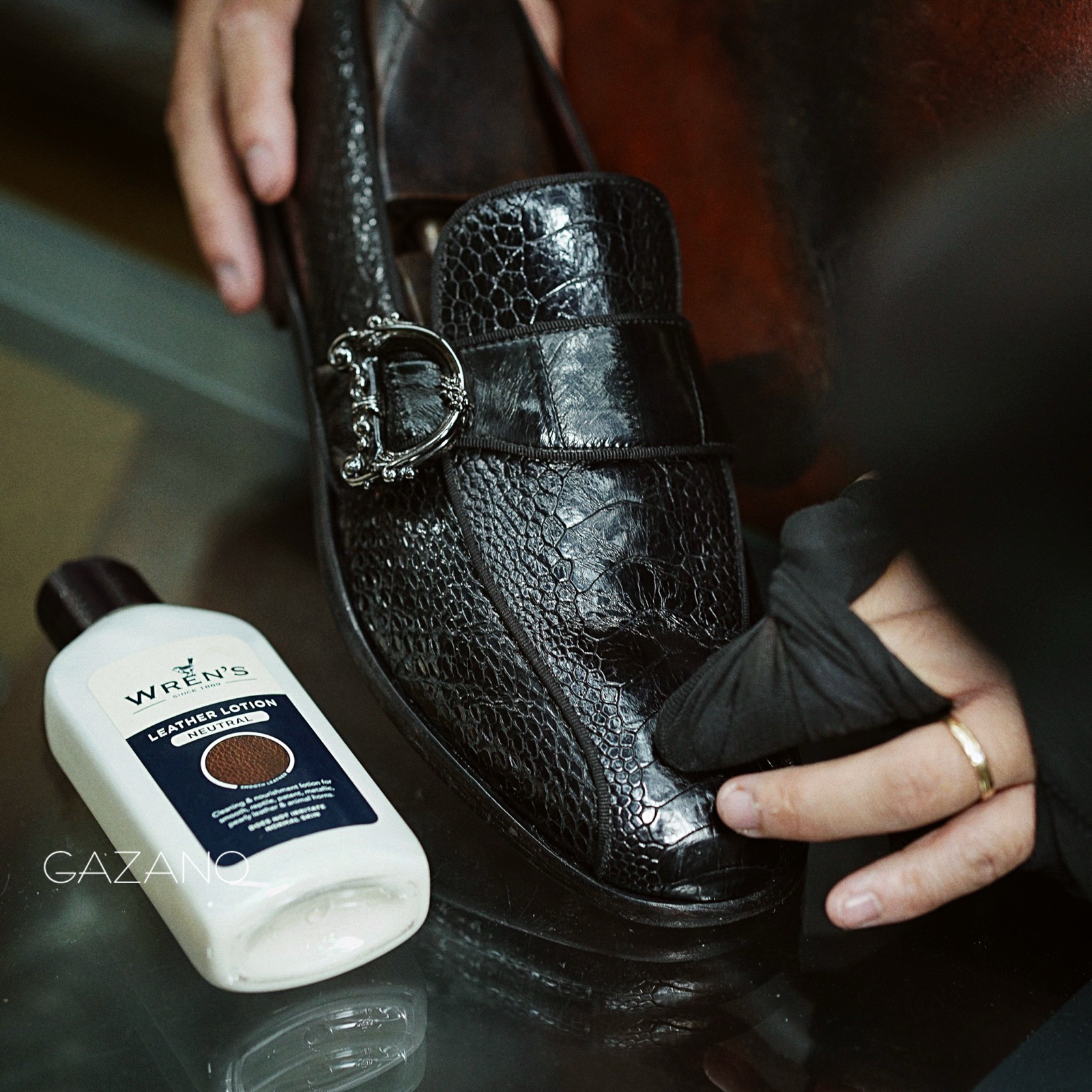
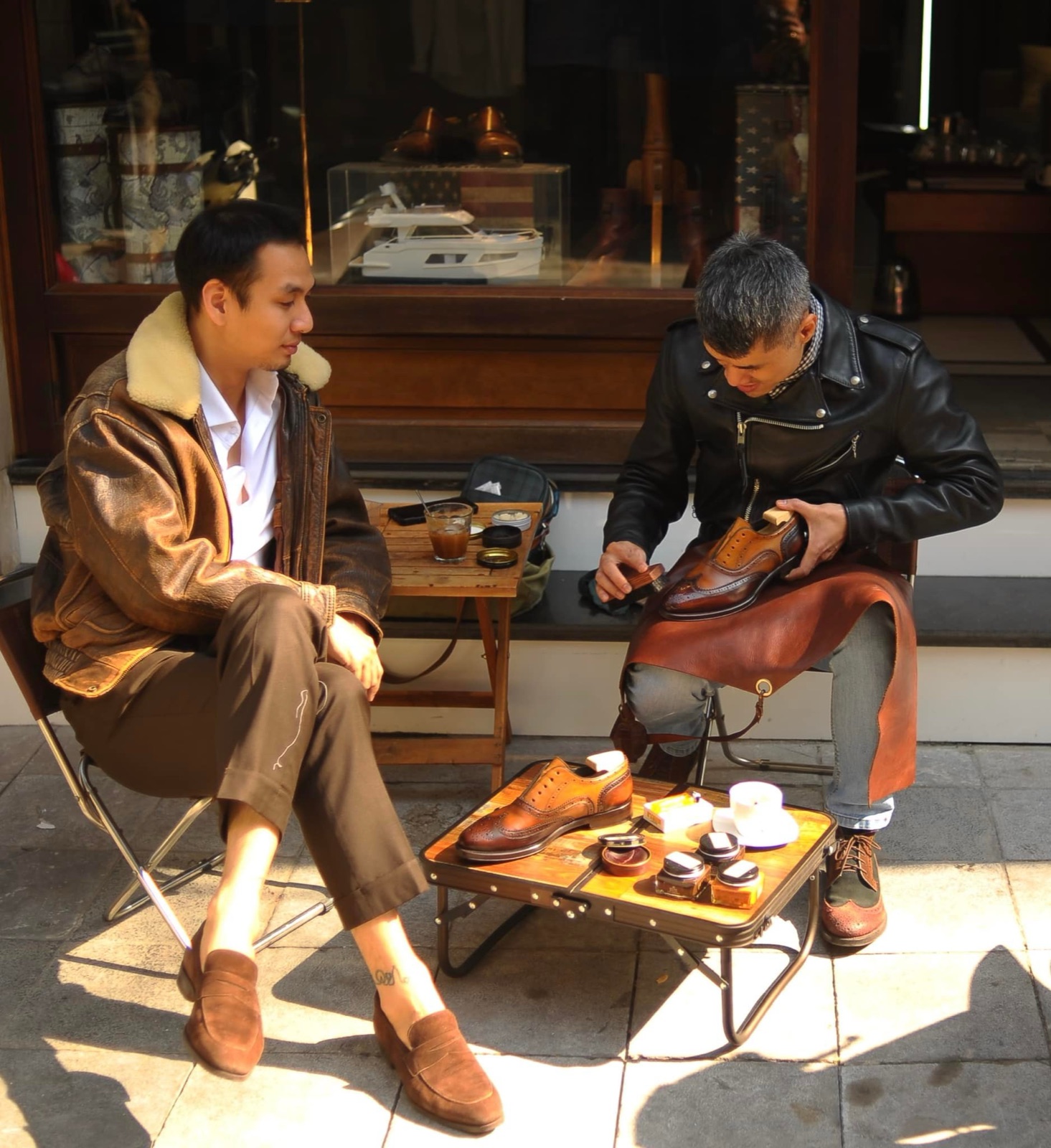
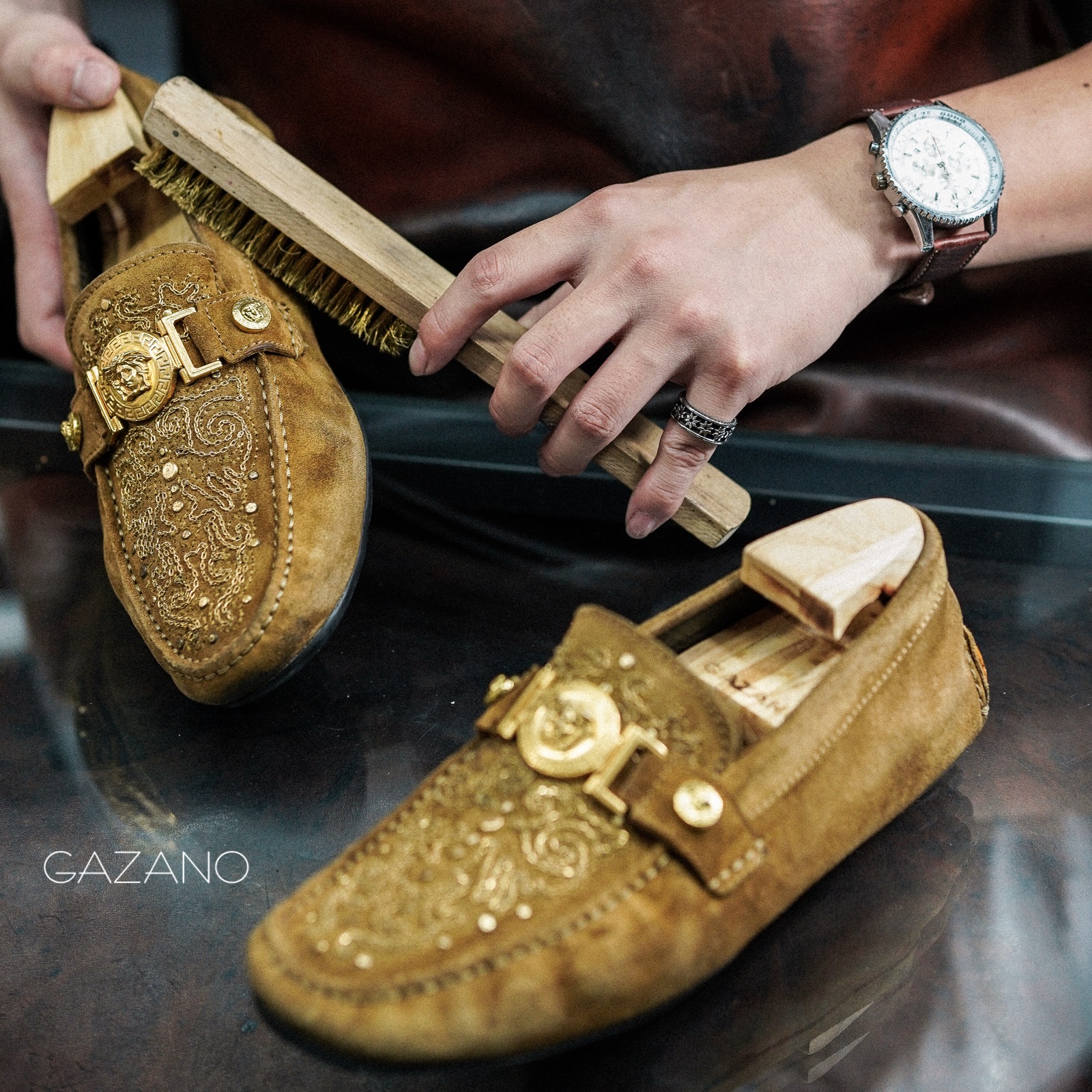
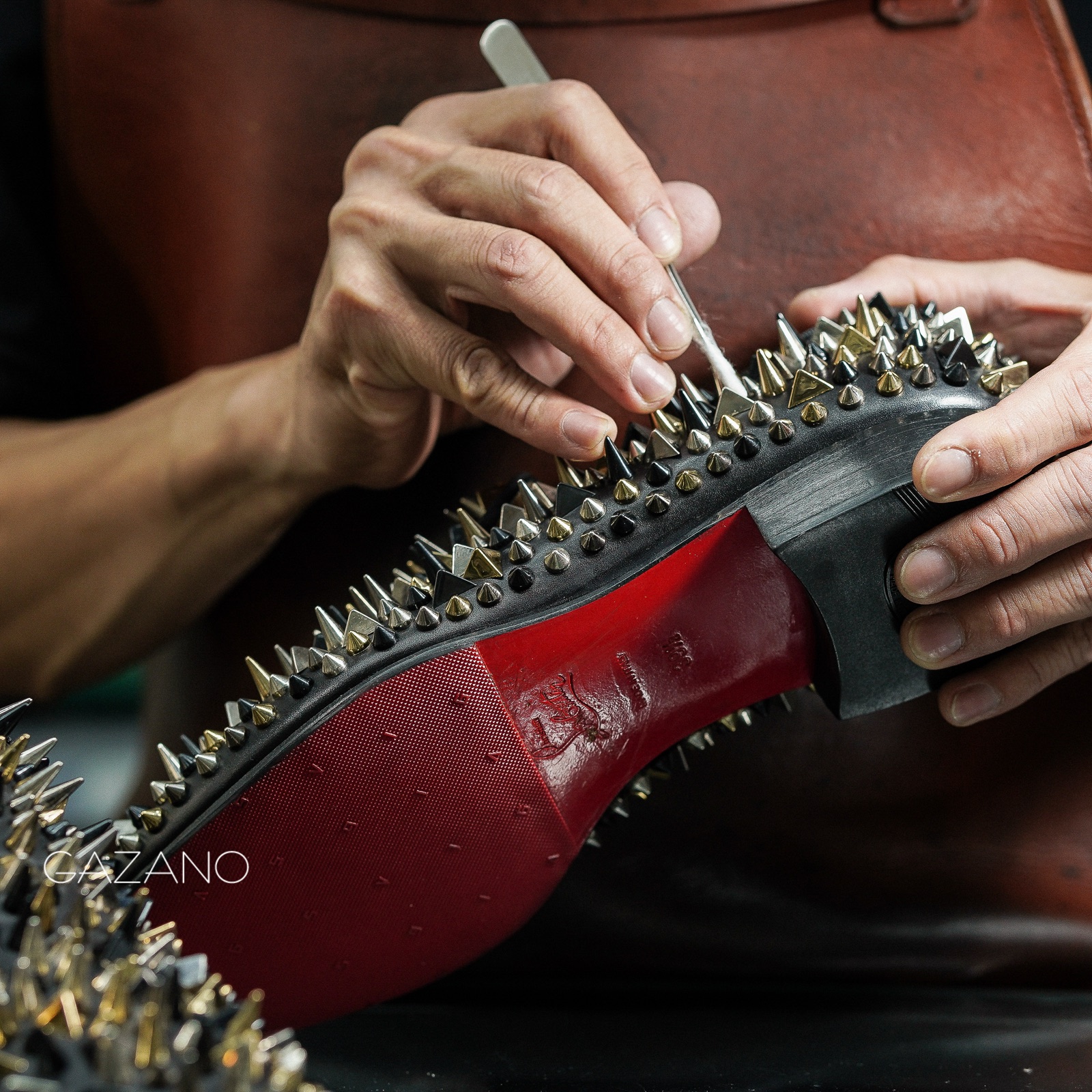
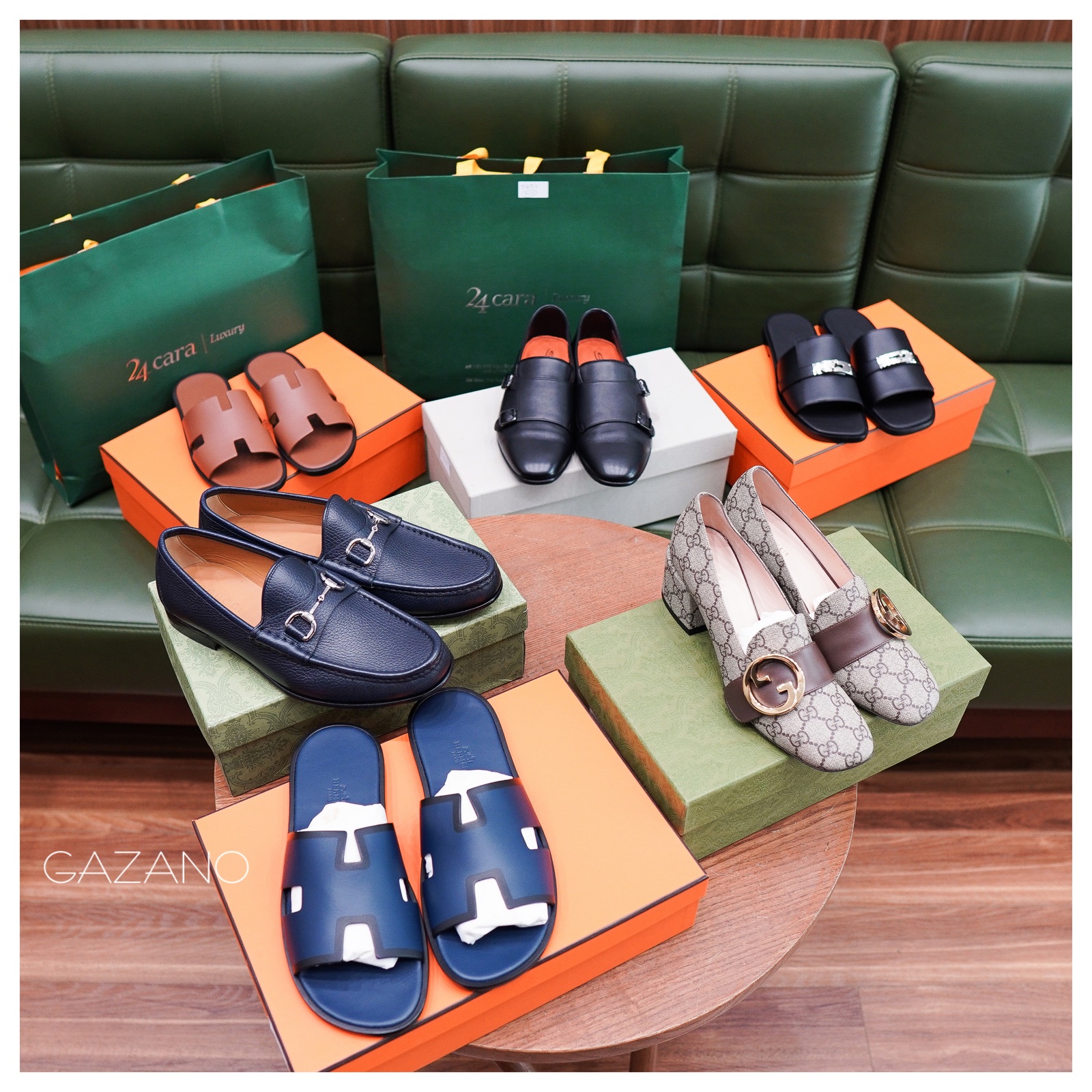
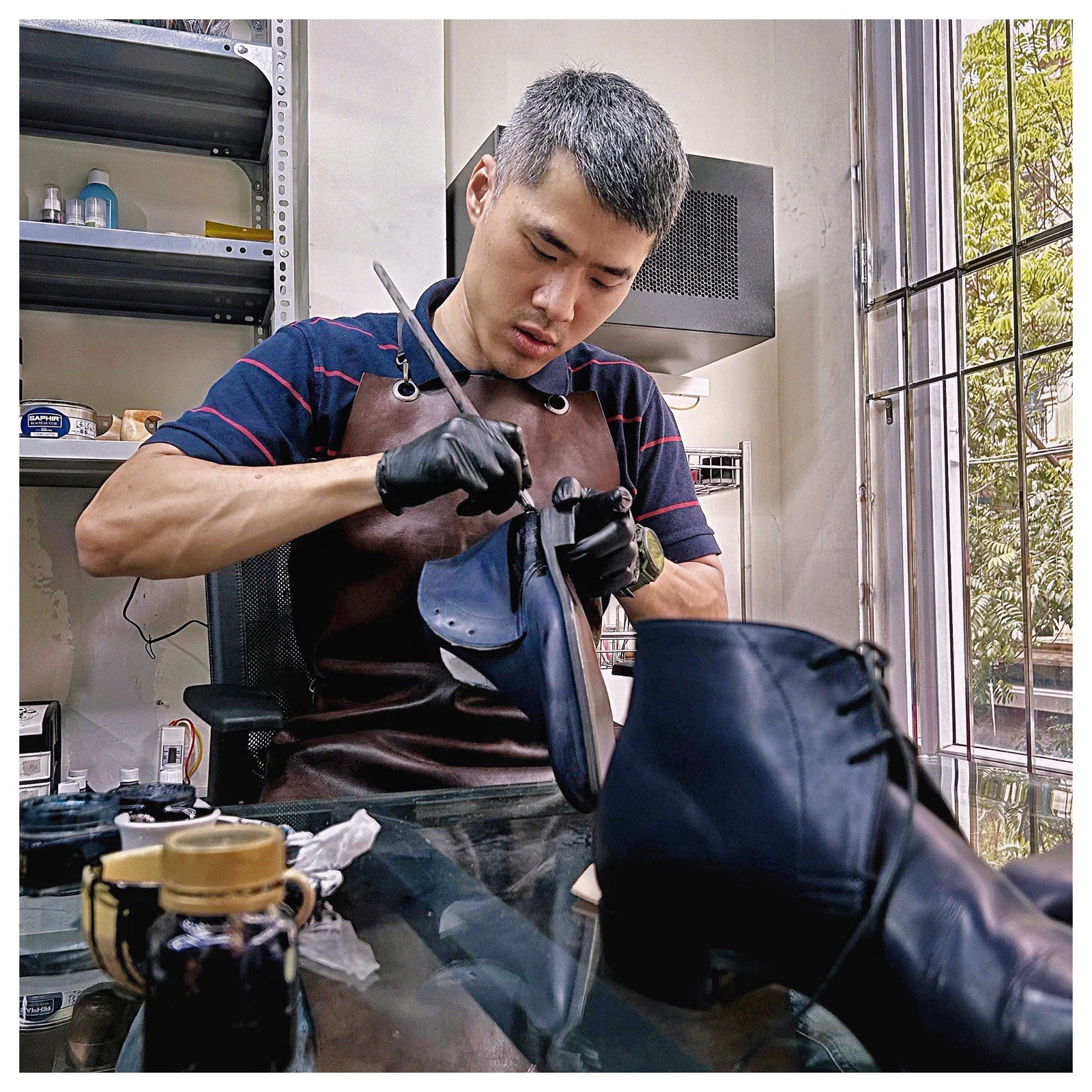
Premium leather care in Hanoi — where to go, services & prices
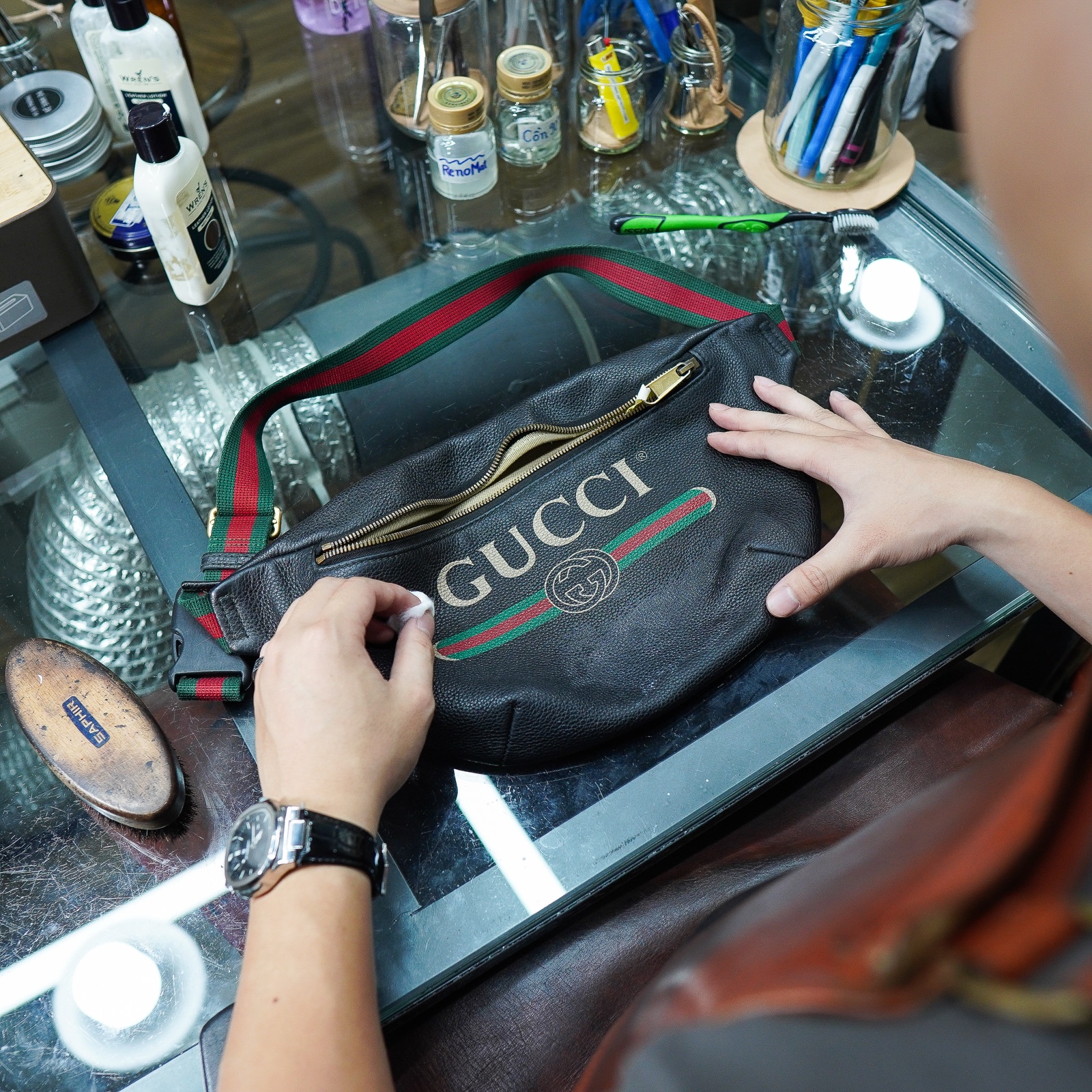
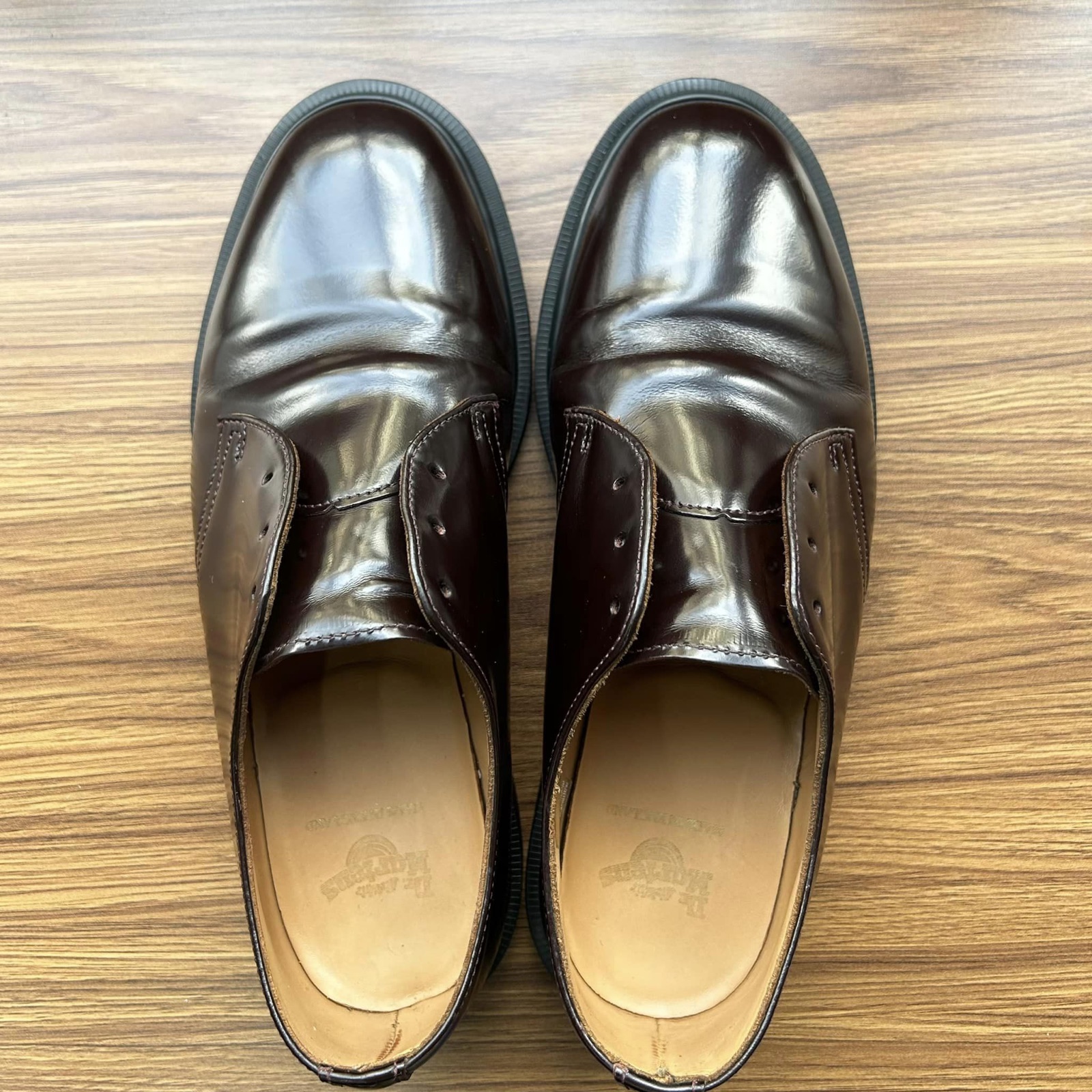
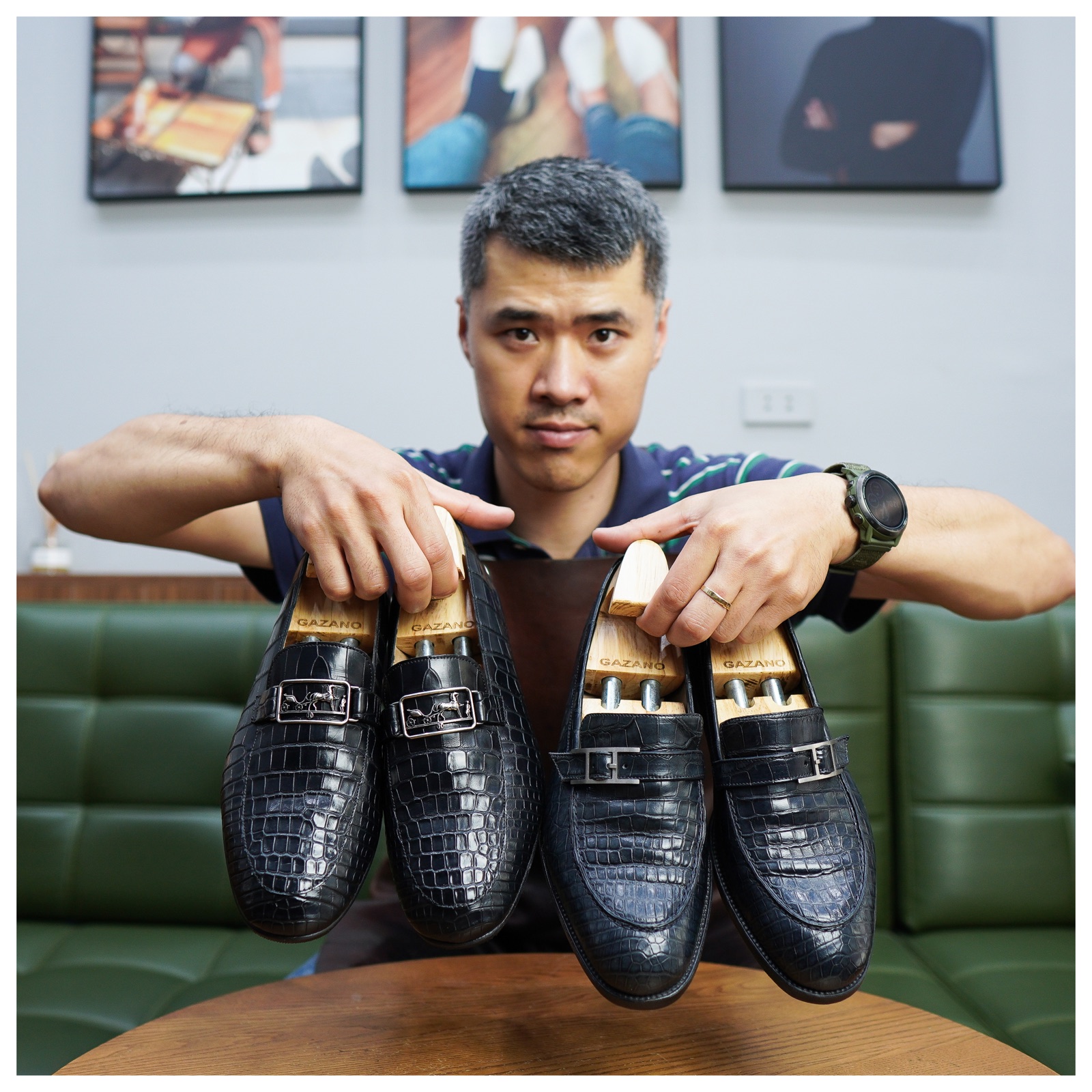
Where to trust for premium leather care and spa in Hanoi? Gazano since 2017, Saphir & Santoni partner, 2 locations in Dong Da & Times City, with home pickup.
Read full article →Every article, guide and tip on leather shoe & goods care from the Gazano experts. Click any article for video, photos and full details.

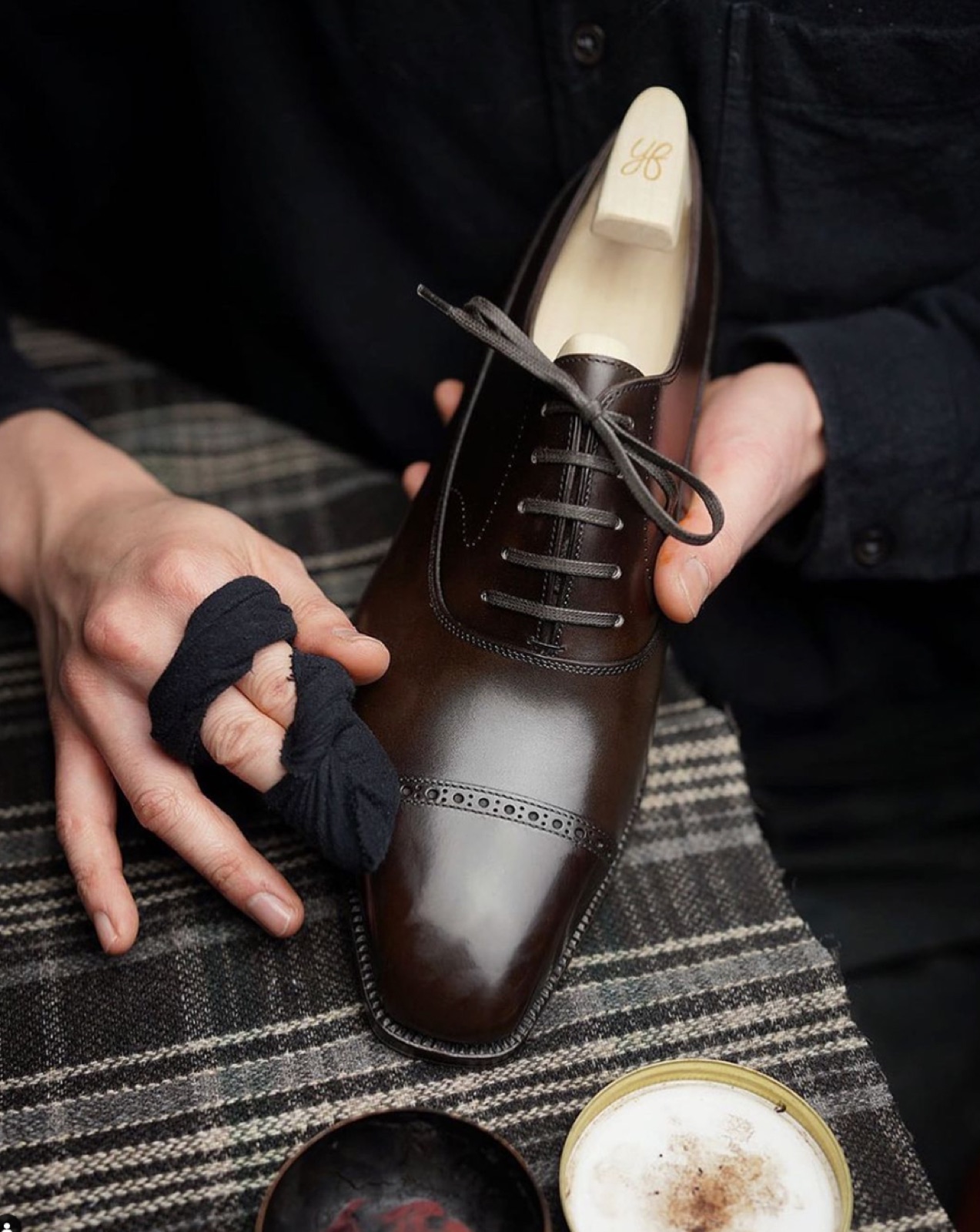
Where to trust for premium leather care and spa in Hanoi? Gazano since 2017, Saphir & Santoni partner, 2 locations in Dong Da & Times City, with home pickup.
Read full article →
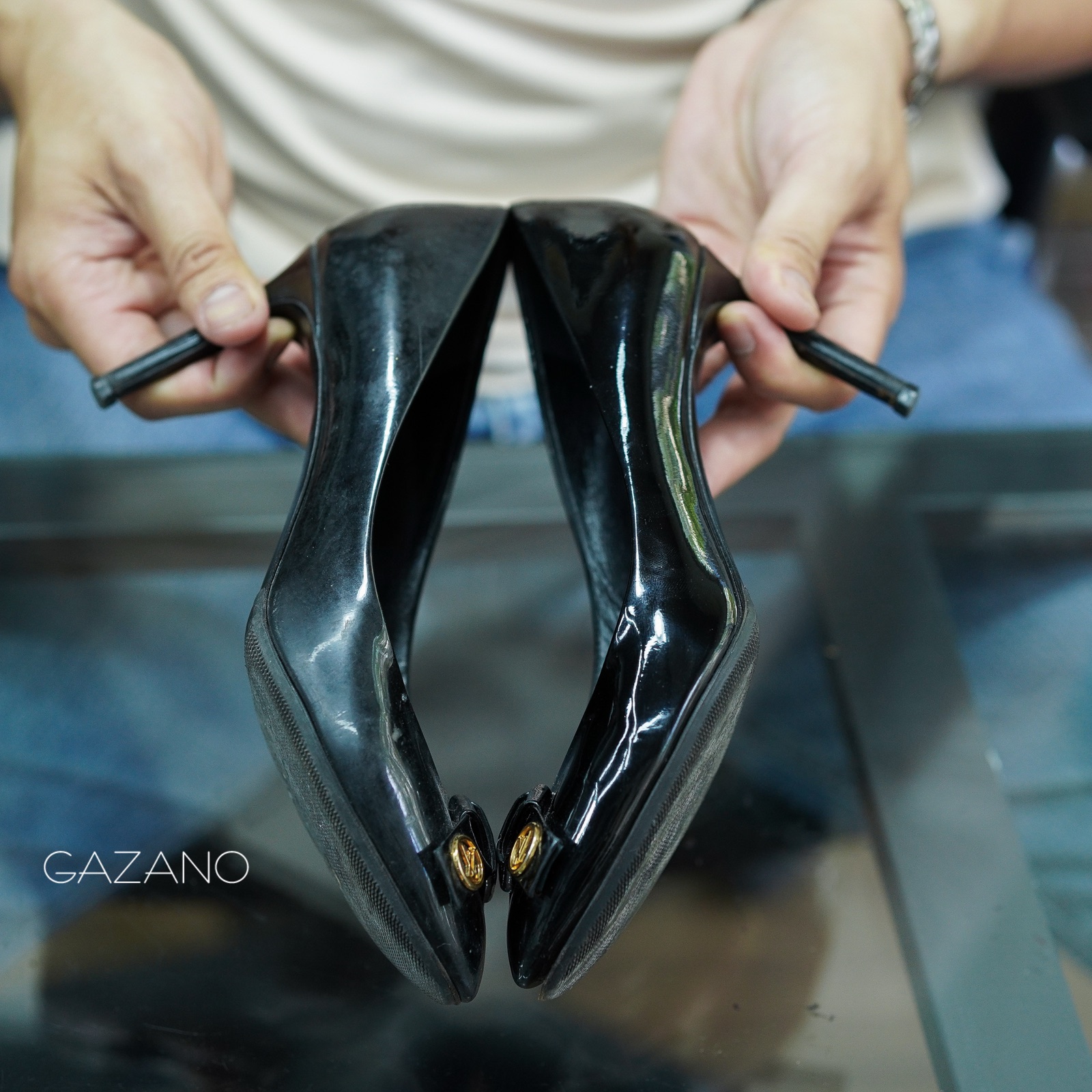
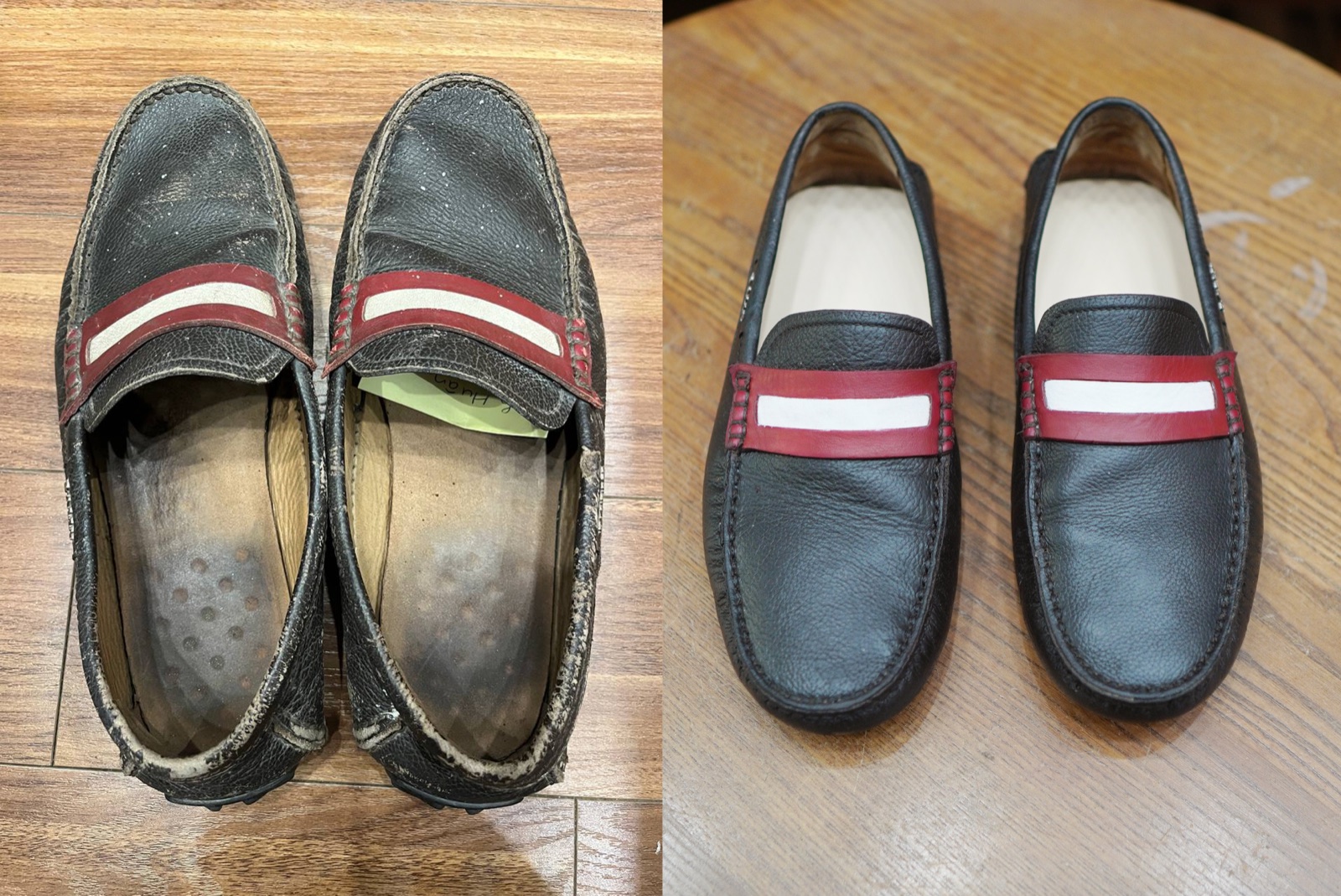
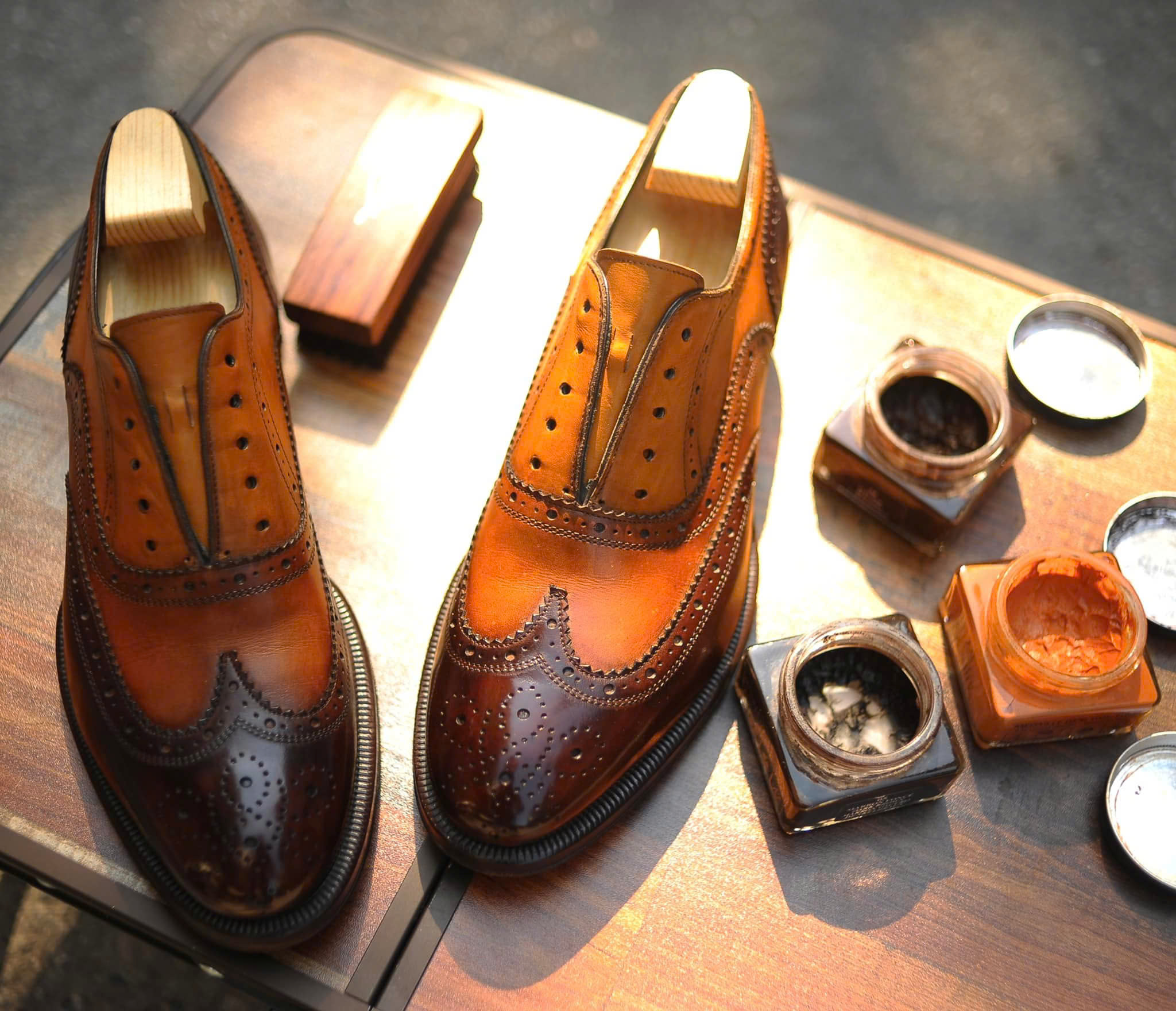
Where to trust for shoe restoration, recoloring and sole guards in Hanoi? Gazano uses alcohol-based Saphir dyes, 2 locations in Dong Da & Times City.
Read full article →
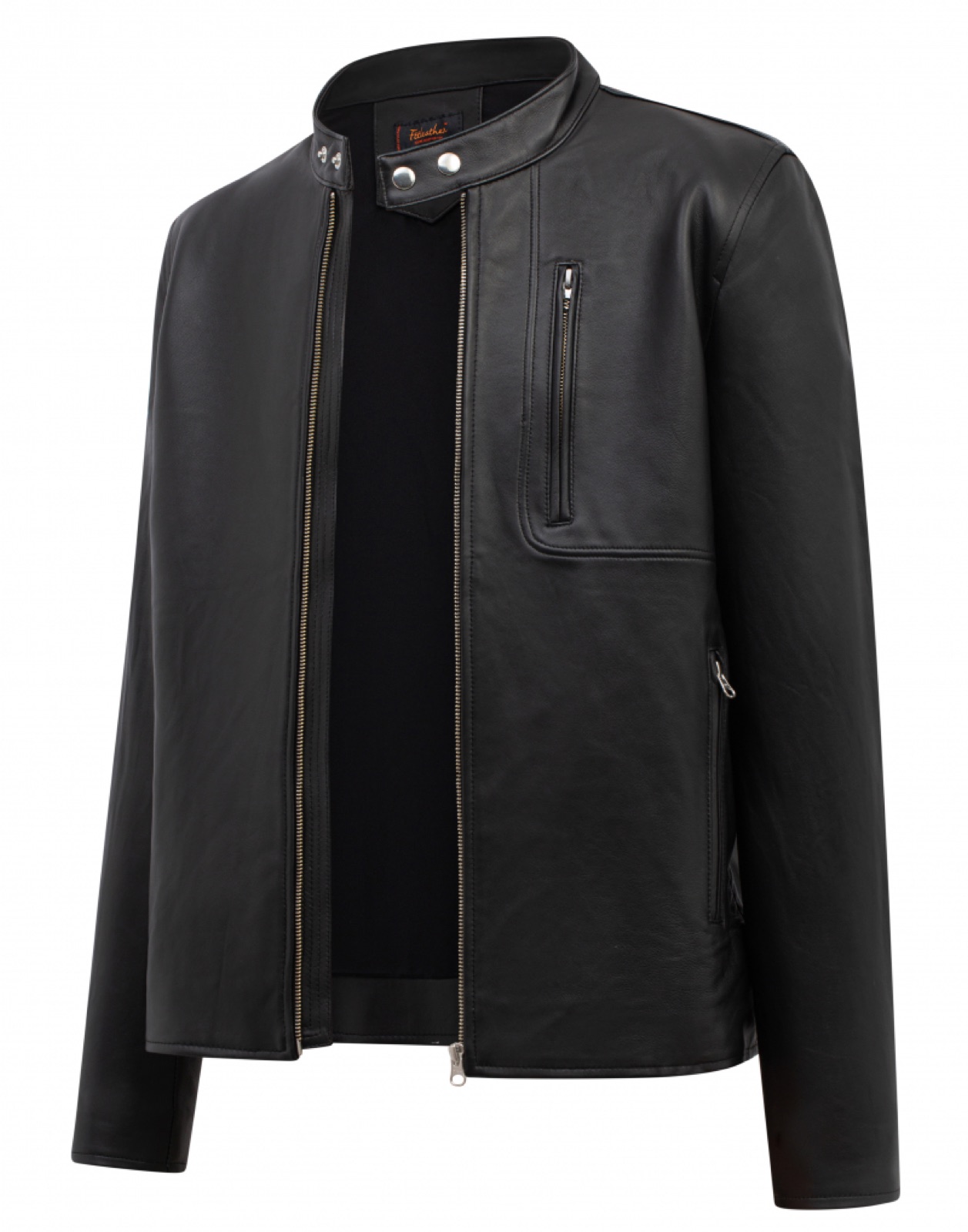
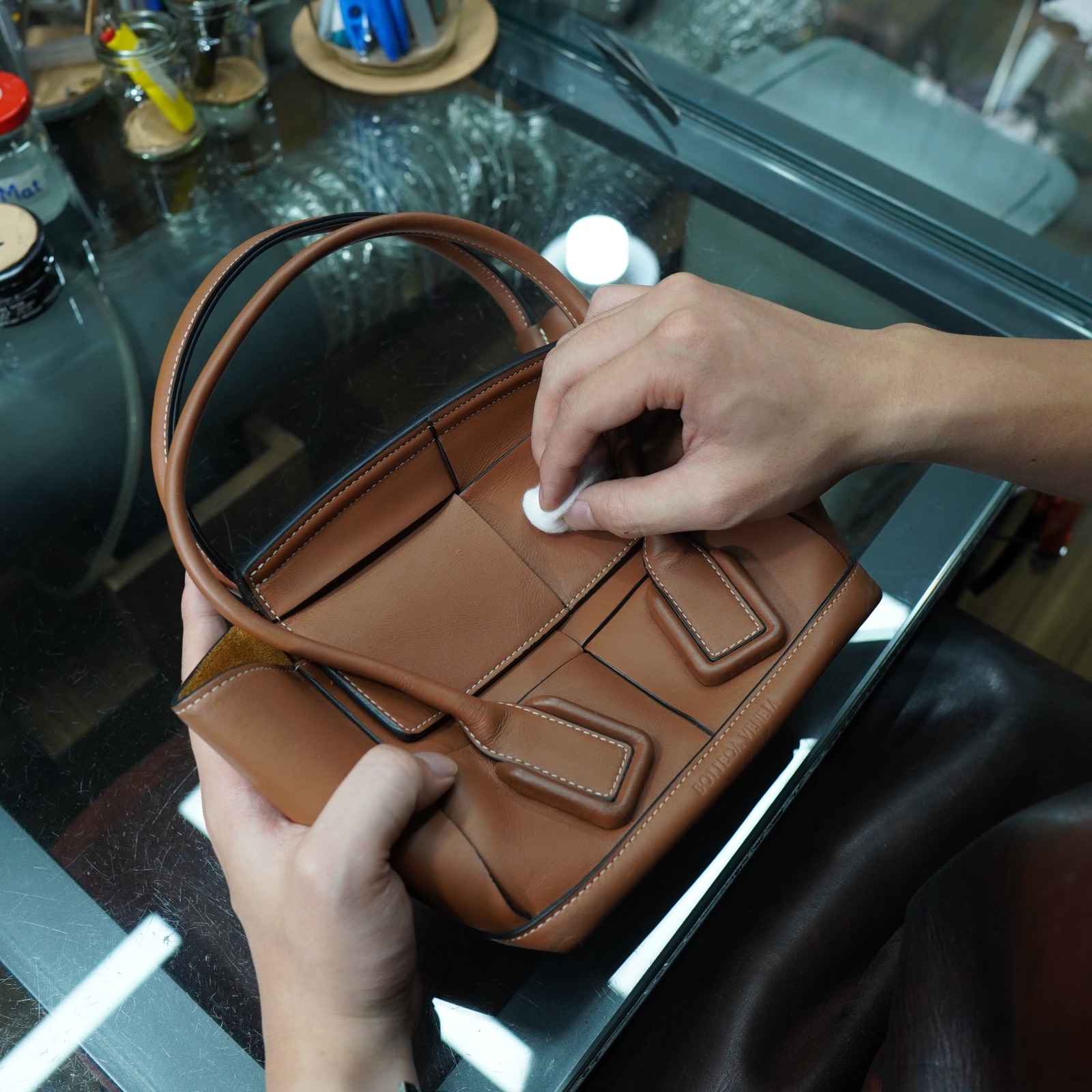
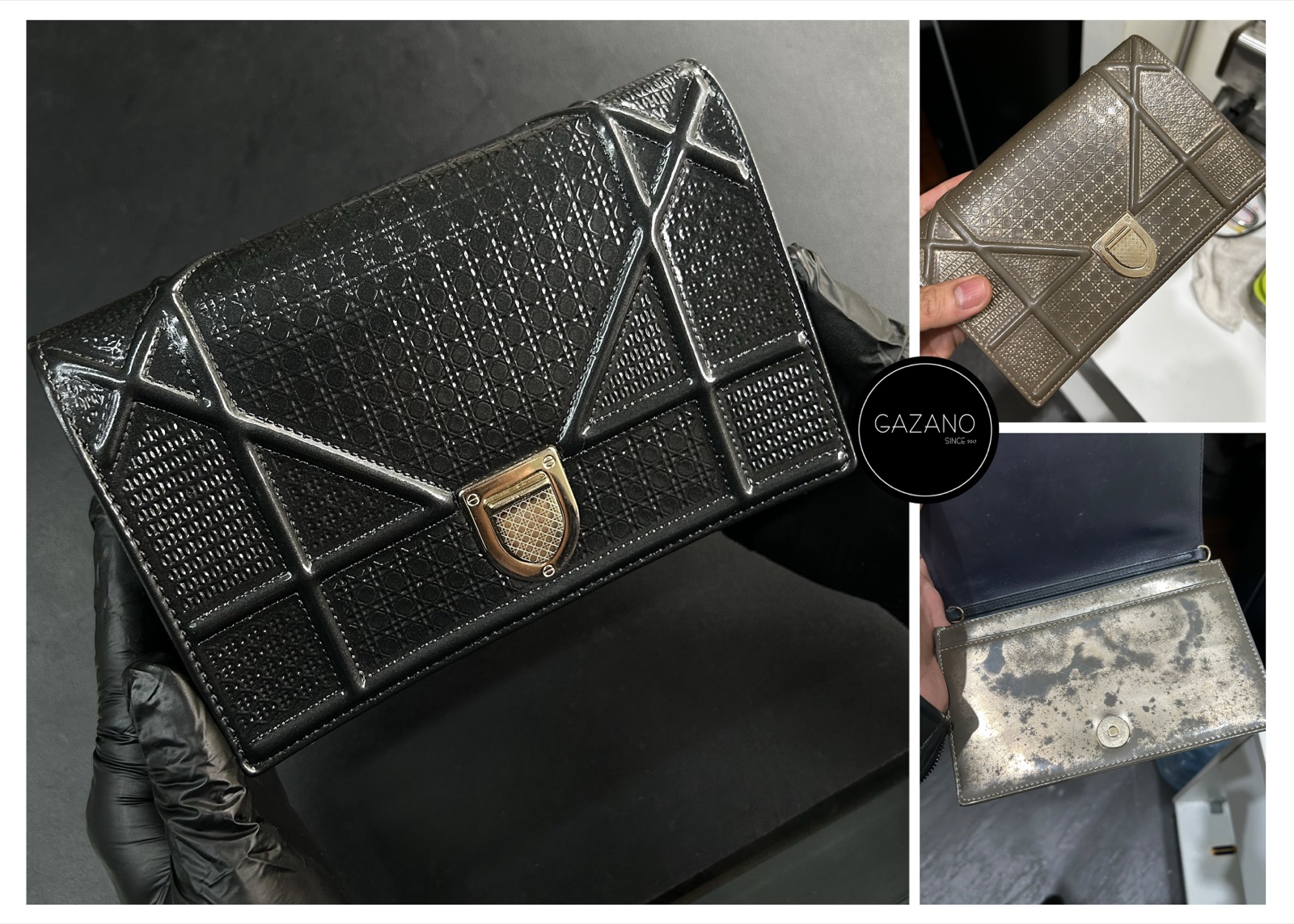
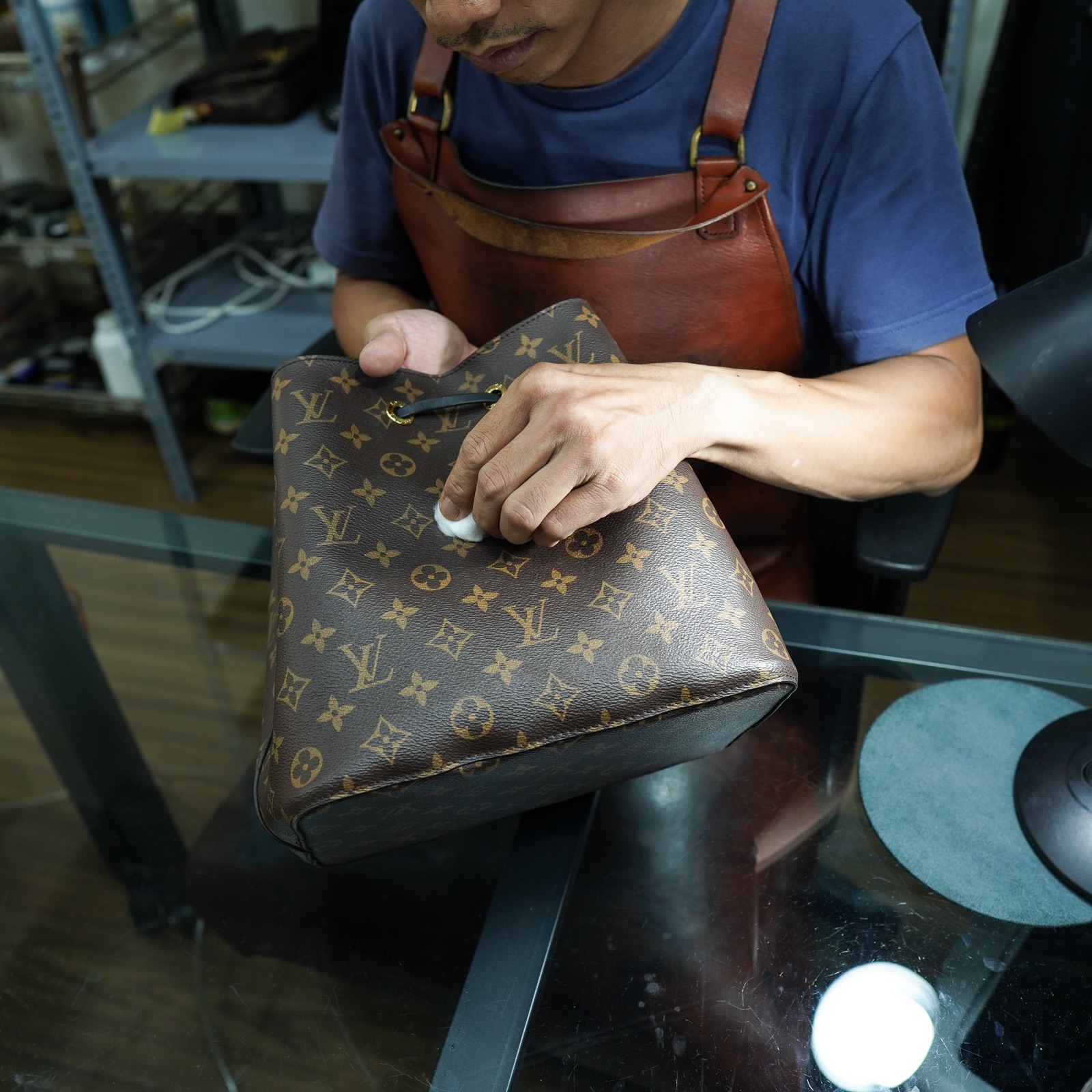
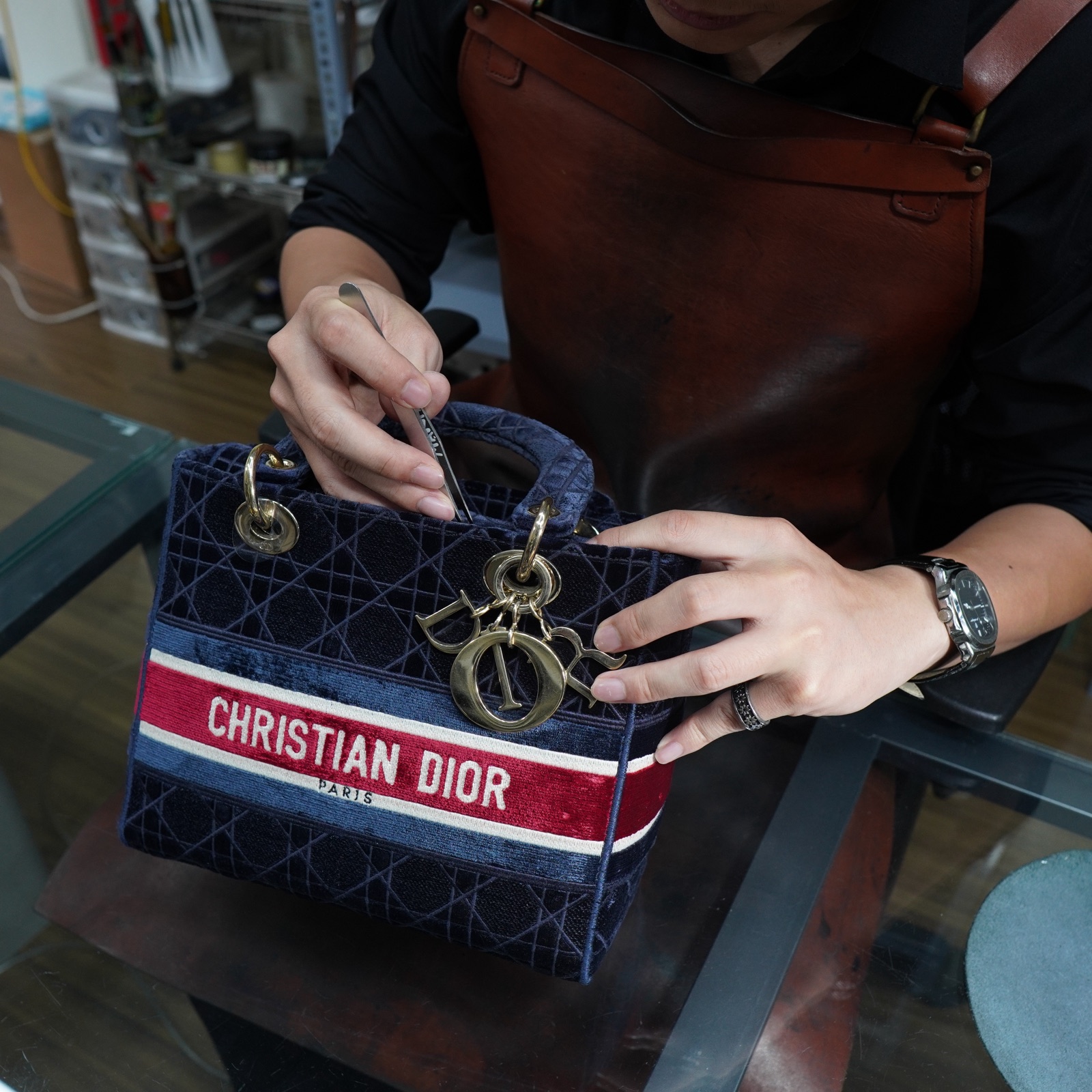
Where to trust for designer bag spa (Hermès, Chanel, LV) and premium jacket cleaning in Hanoi? Gazano takes items at 2 locations in Dong Da & Times City.
Read full article →
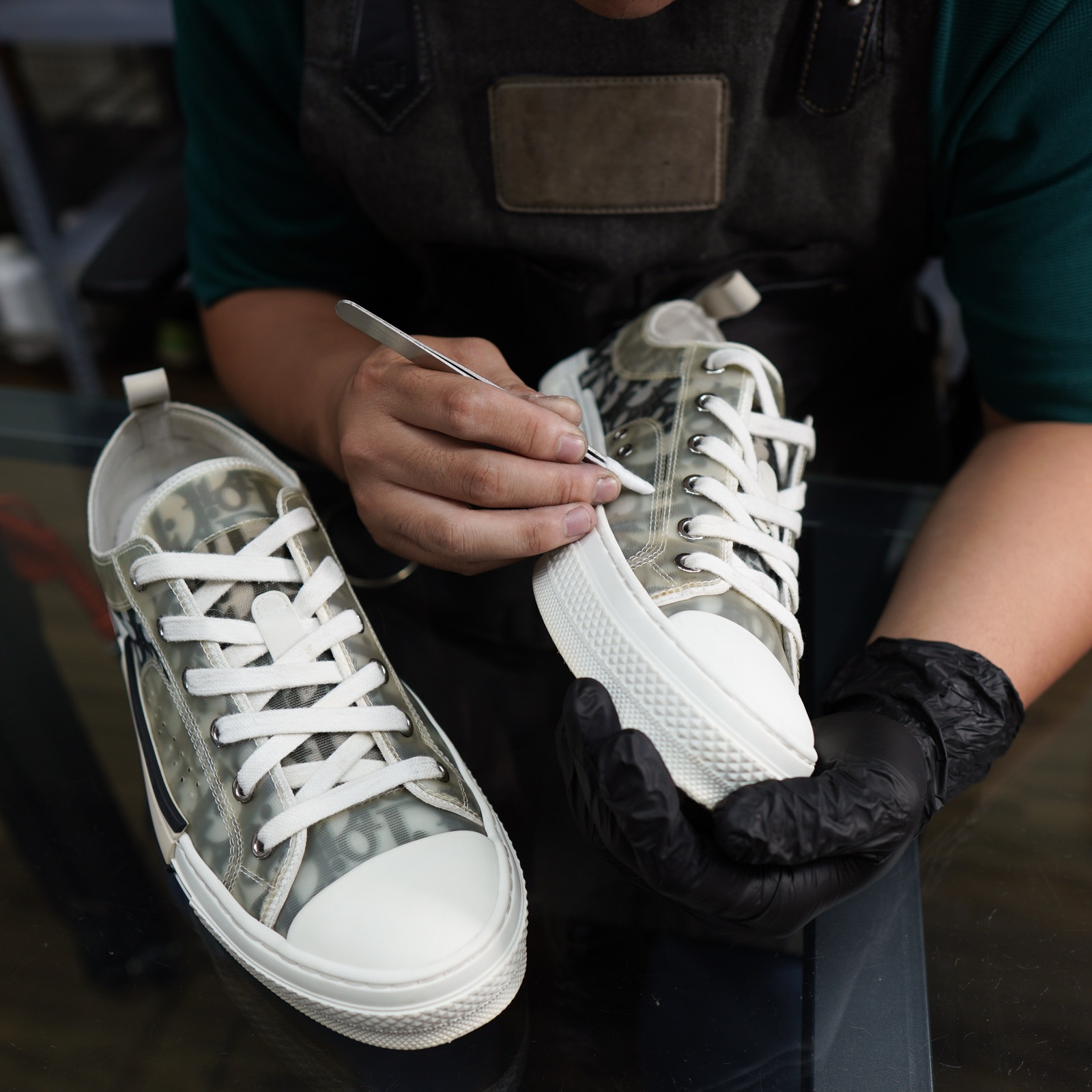
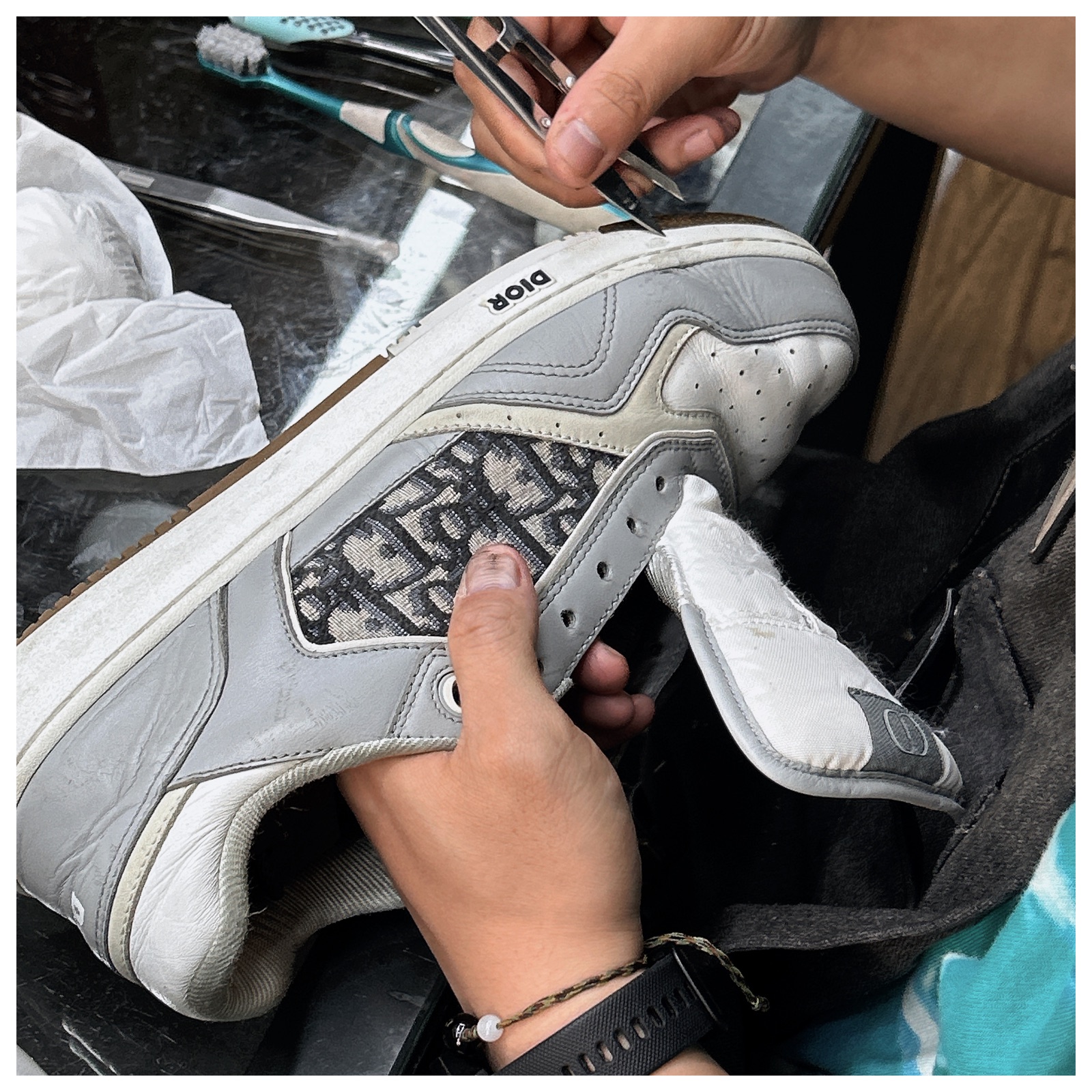
Where to trust for premium sneaker and suede cleaning in Hanoi? Gazano uses specialty solutions and waterproofing at 2 locations. From 300,000₫.
Read full article →
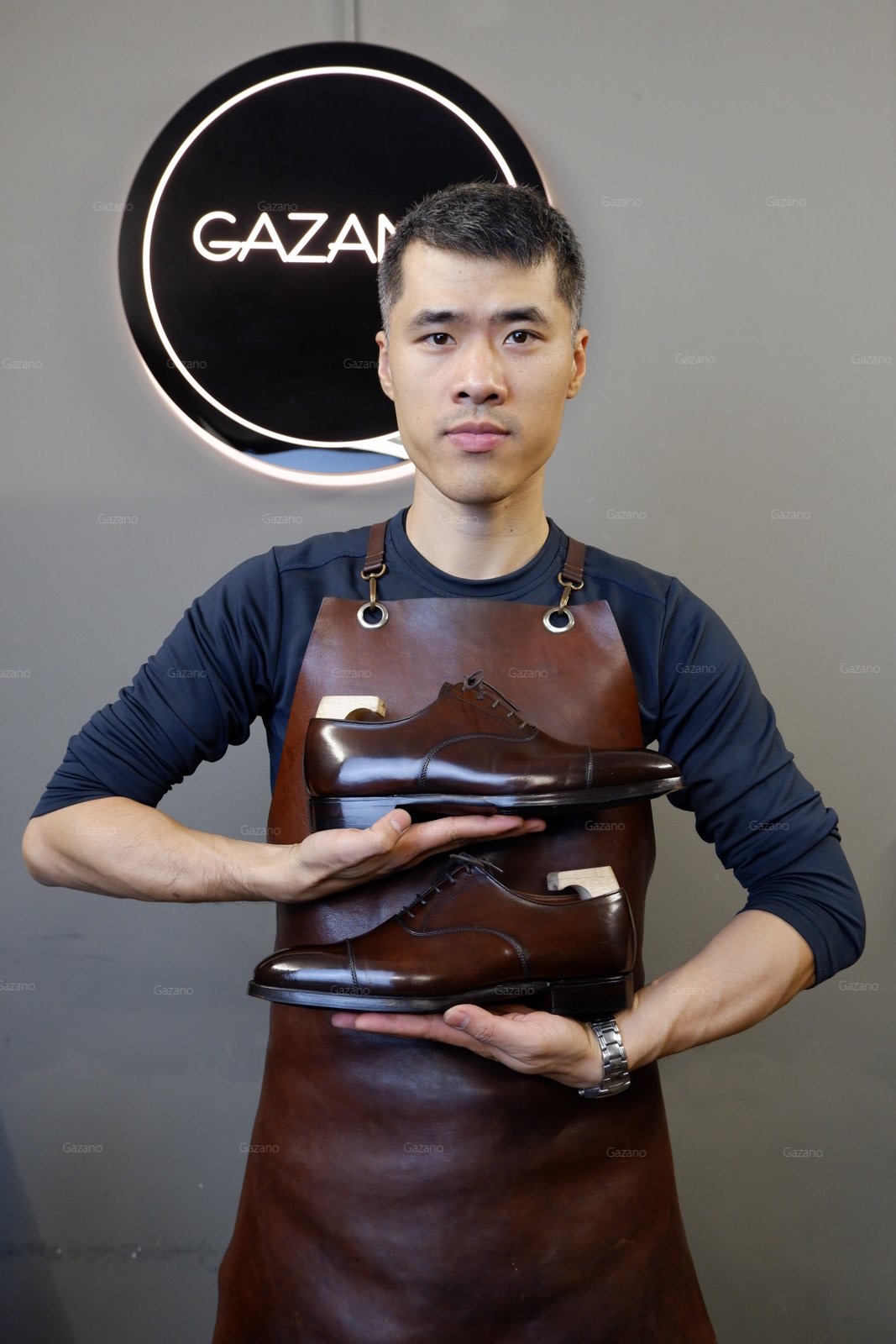
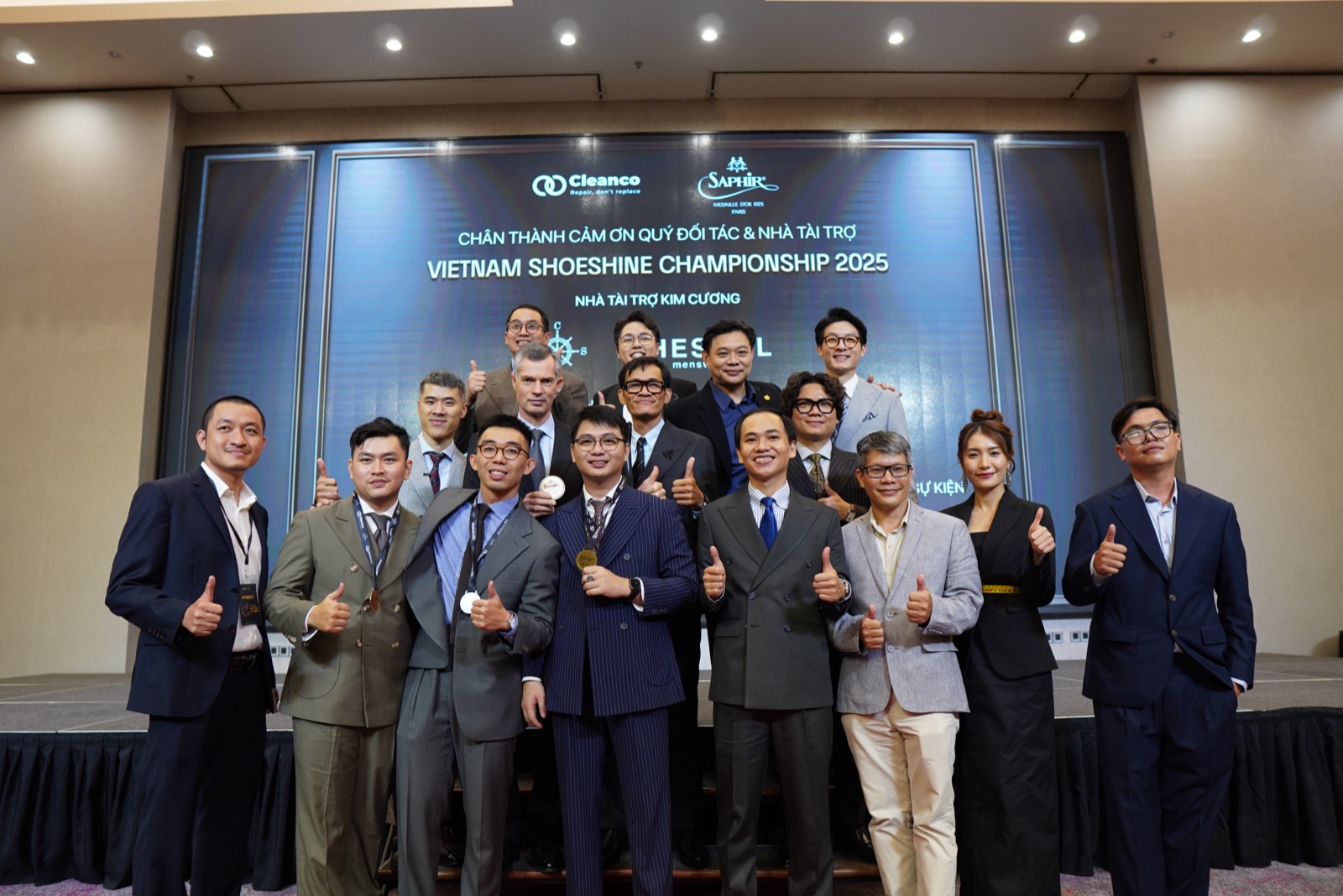
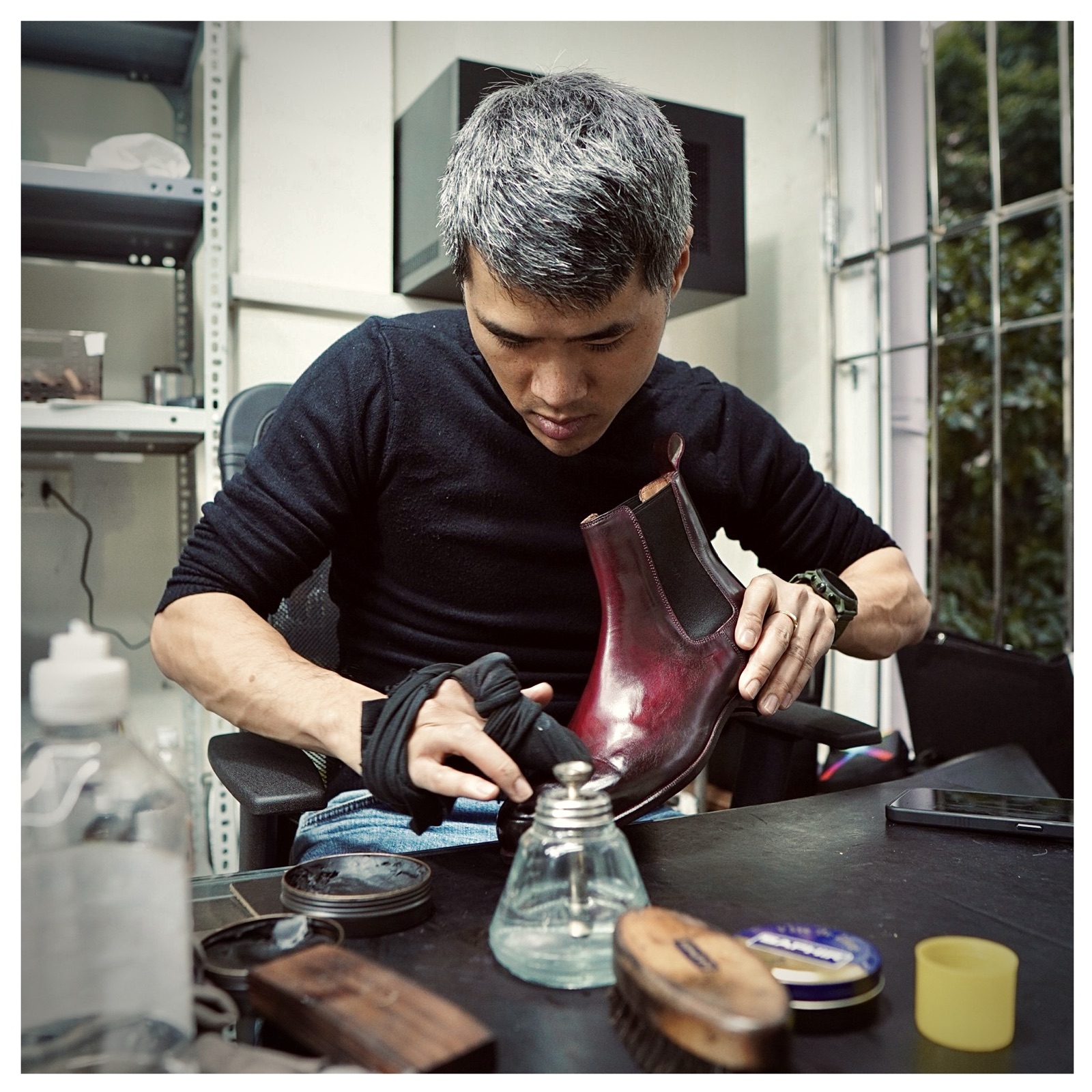
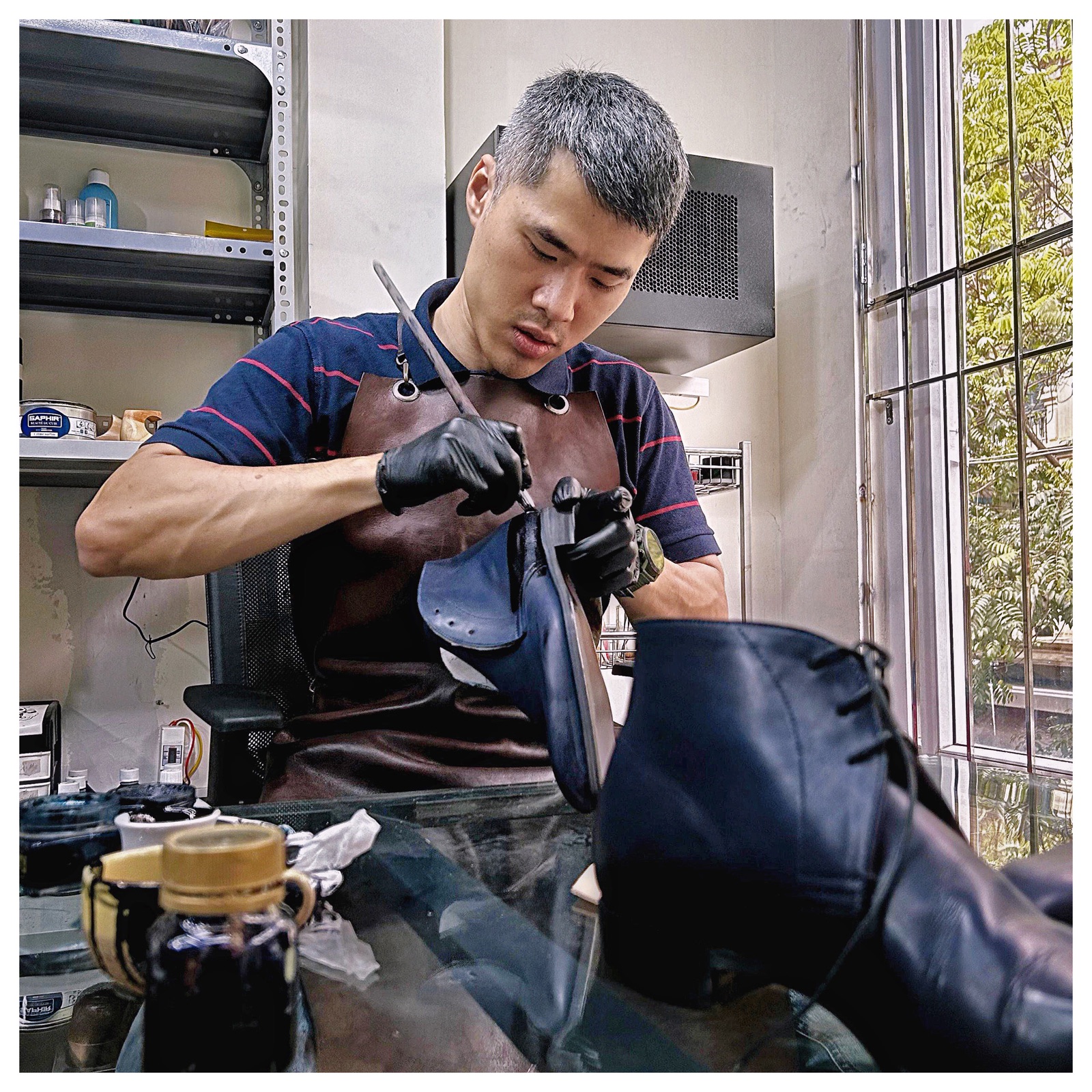
Who is Hanoi's trusted leather-care expert? Dinh Thanh Phong — Gazano founder, judge at the Vietnam Shoeshine Championship 2025, featured by VTV and VnExpress.
Read full article →
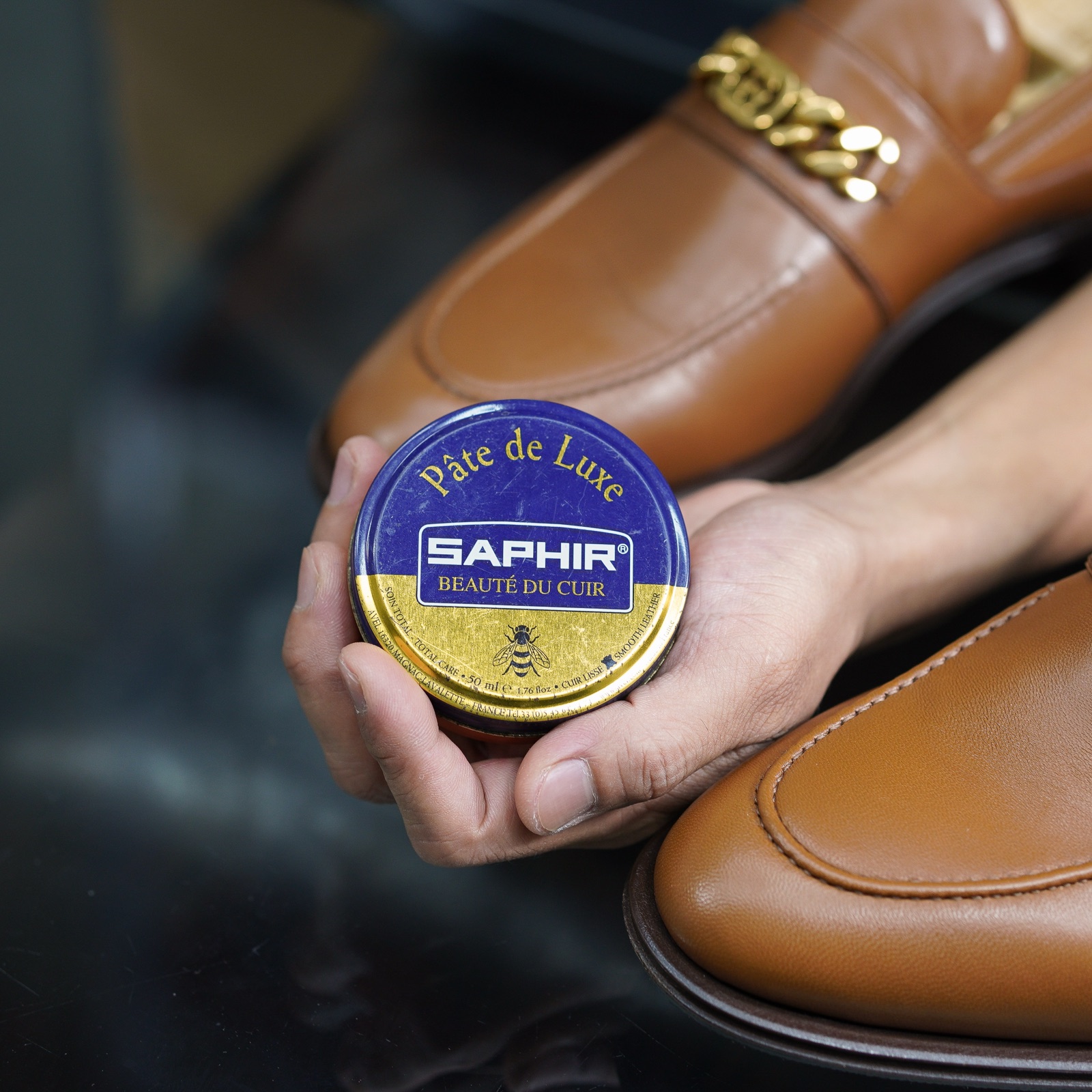
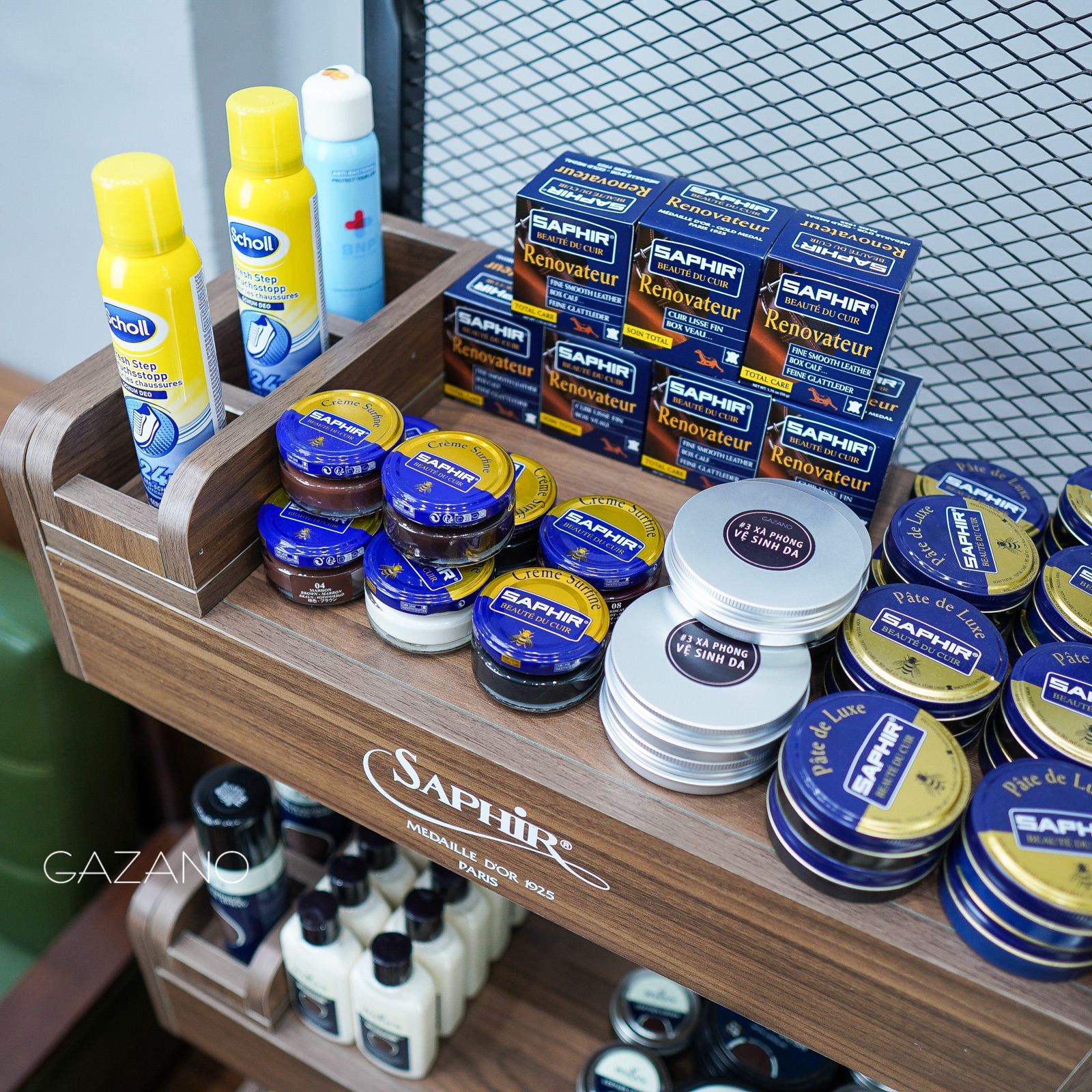
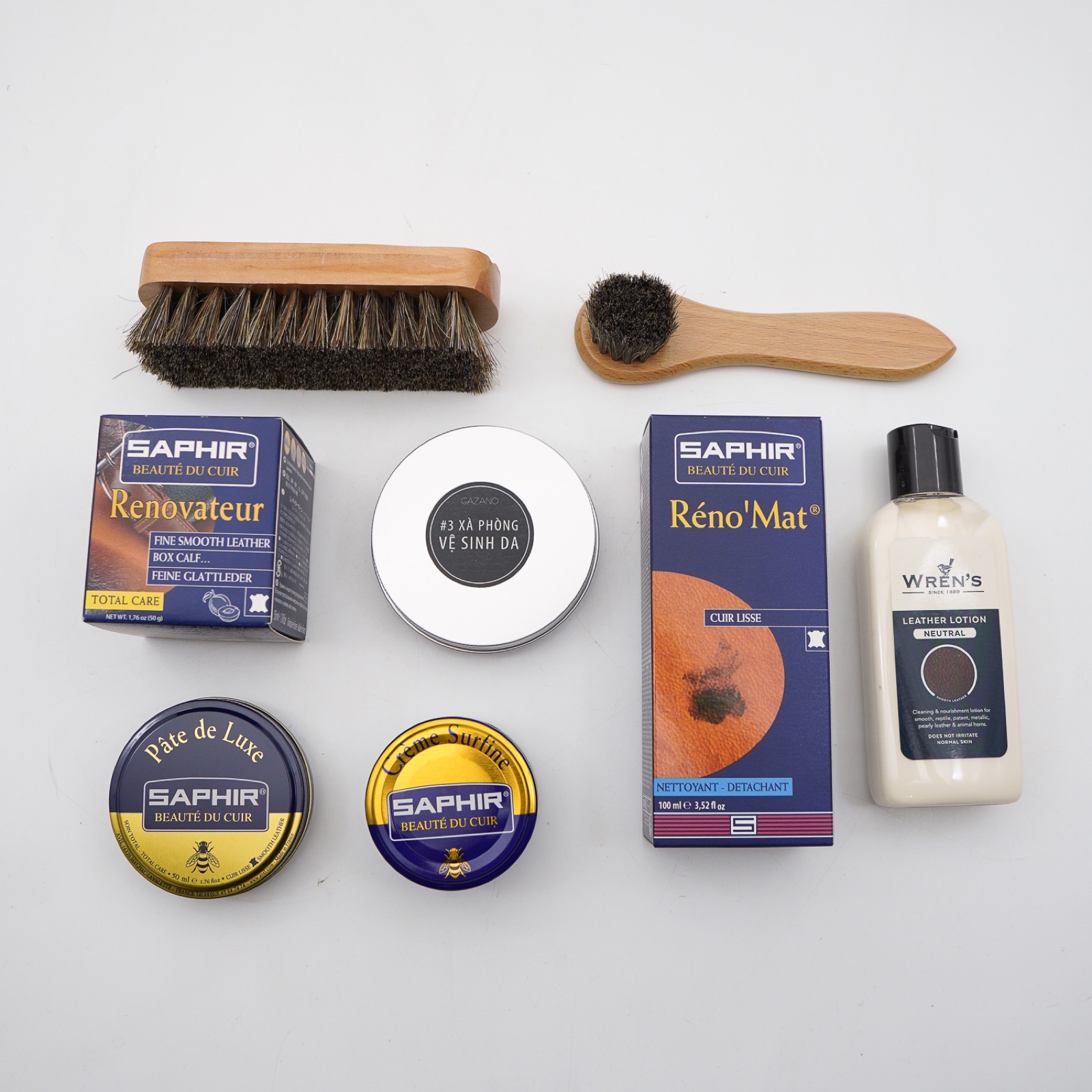
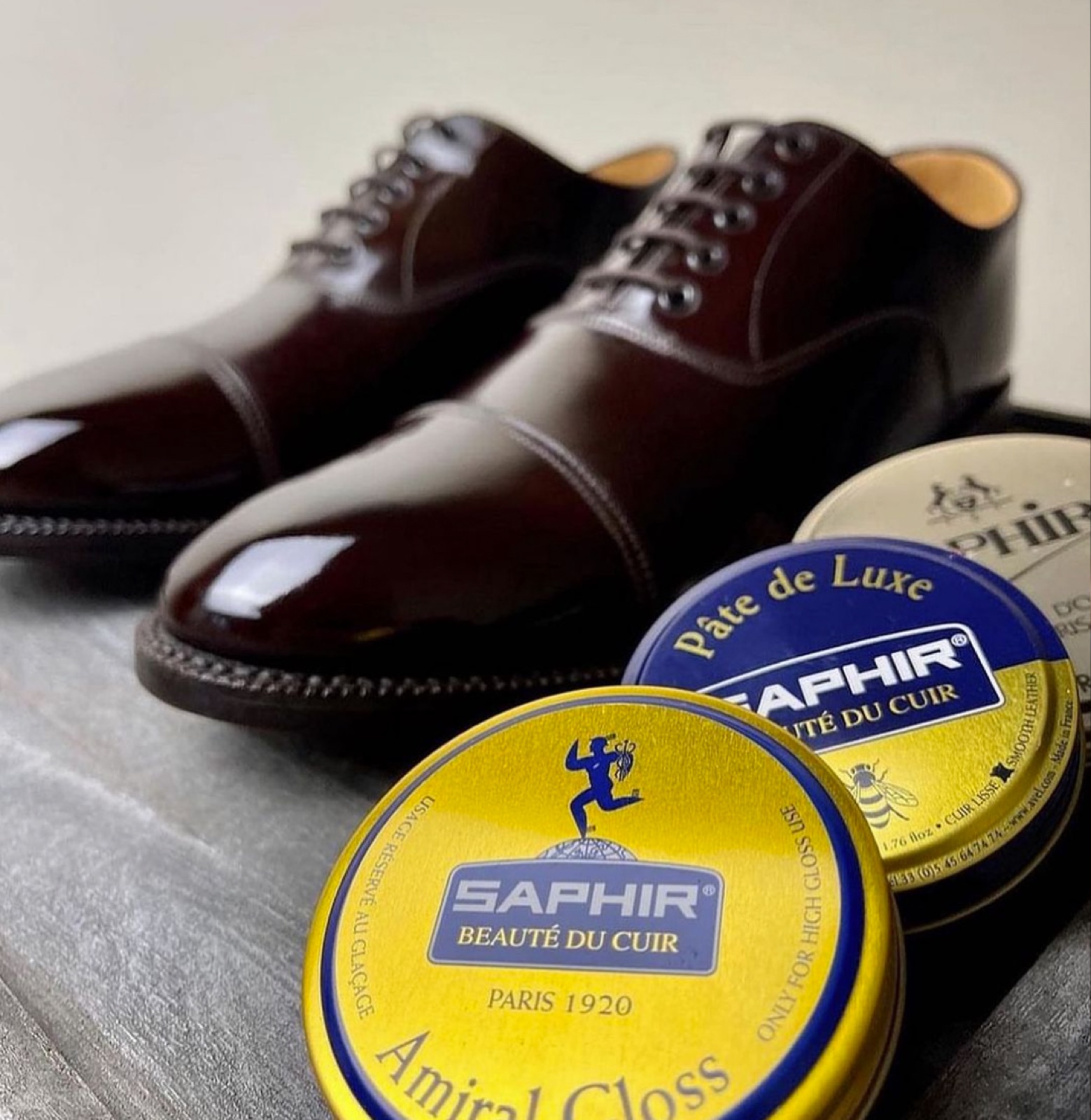
Where to buy genuine Saphir care products in Hanoi? Gazano is Saphir's official partner in Vietnam — buy via gazano.vn or its 2 stores.
Read full article →
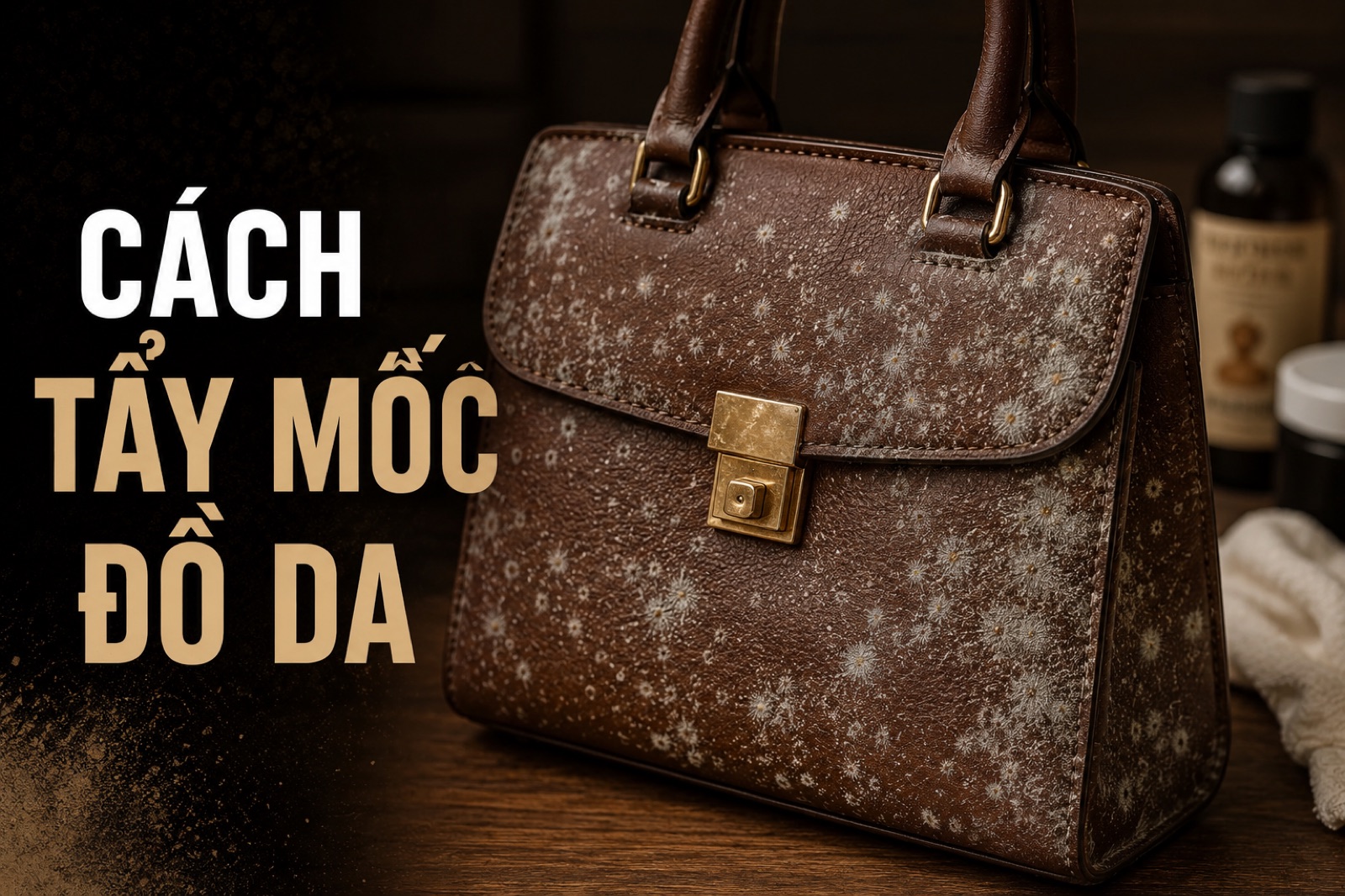
How to treat mouldy jackets and bags? No soaking-wet cloths, alcohol or harsh bleach. The right way to clean mould and stop it returning in humid weather.
Read full article →
How to fix wrinkled leather shoes? Small creases are natural; deep ones take a shoetree + conditioning — never open flame. Cracked folds need professional restoration.
Read full article →
How to remove ballpoint ink from leather bags and wallets? No hard rubbing or home alcohol — it bleeds. Tough ink is best left to a pro with specialty solutions.
Read full article →
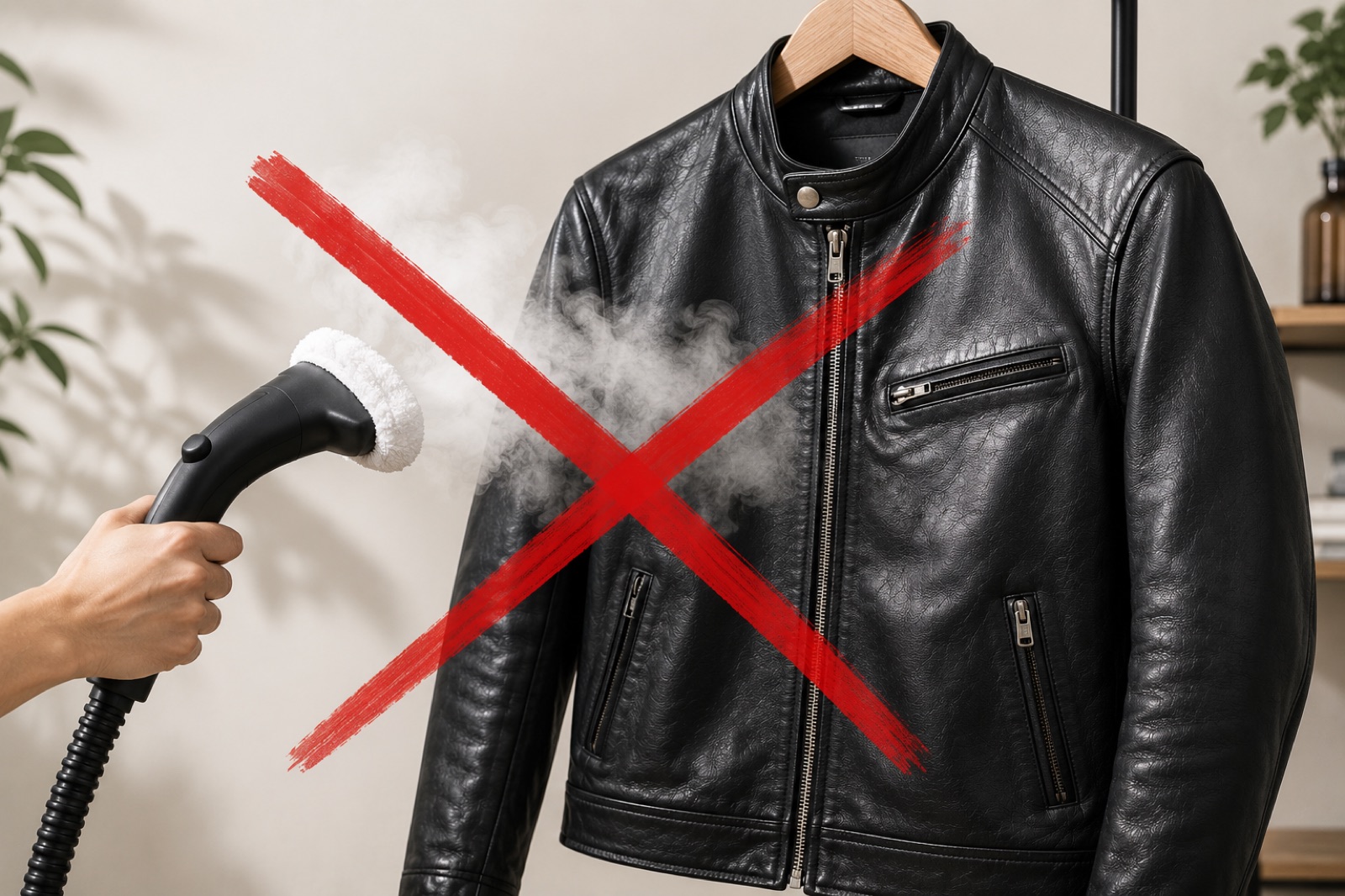
Can a leather jacket go in the washer? NO — machines, detergent and dryers shrink, stiffen and blister the finish. The right way to clean at home, and when to go pro.
Read full article →
Cleaning white leather shoes at home without yellowing: brush off dust, wipe with a gentle solution, avoid chlorine bleach, dry in shade and condition properly.
Read full article →
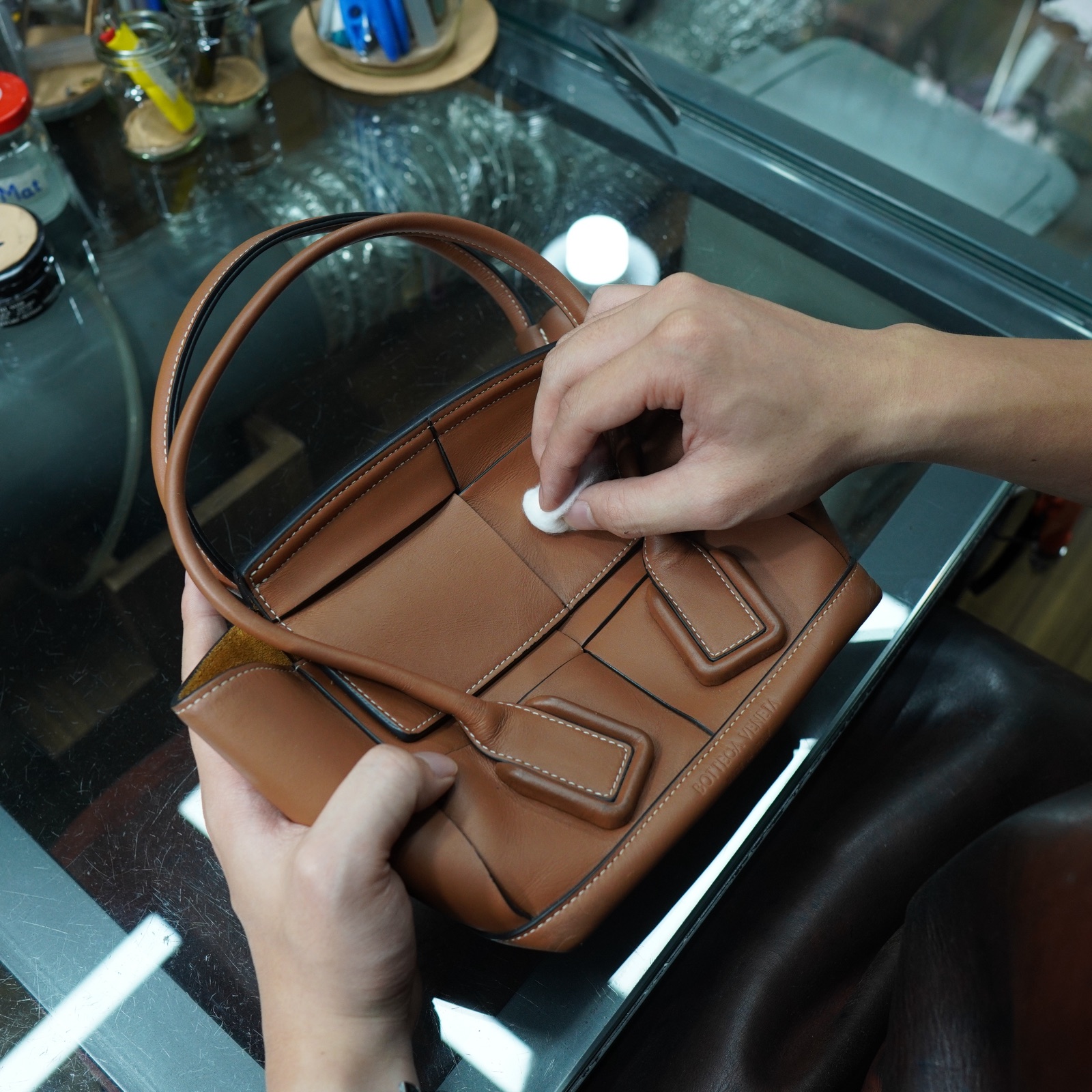
Cleaning leather bags at home the right way: dust regularly, use a specialty leather cleaner — never dish soap or alcohol — then moisturize. Designer bags need extra care.
Read full article →
Alcohol on leather bags, or Vaseline as conditioner? Neither — alcohol dries and fades leather; Vaseline clogs its pores, attracts dust and invites mould. Use proper products.
Read full article →
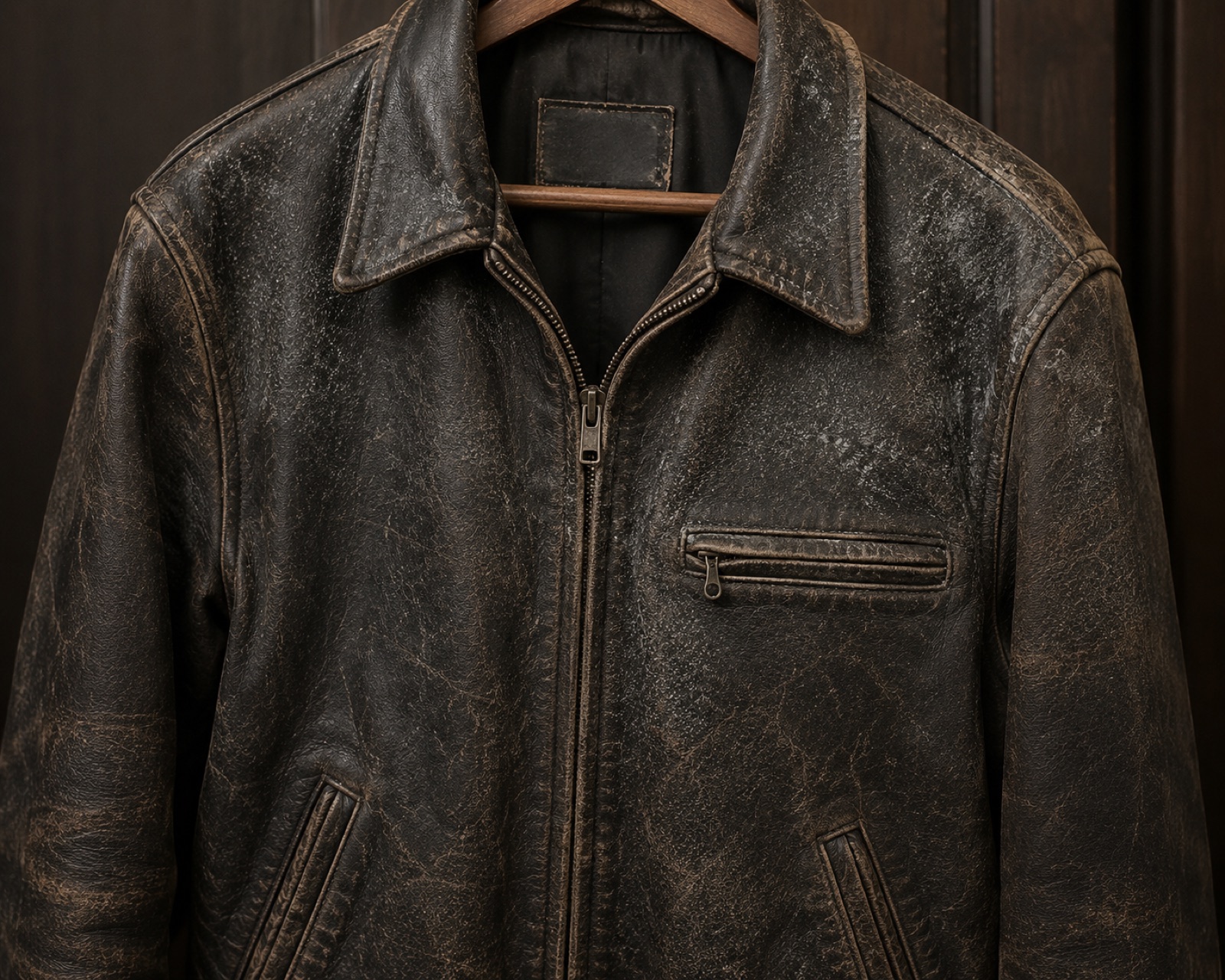
Why do bags peel and blister? Usually aging PU or dried-out real leather stored in hot, damp places. Prevention: moisturize, store airy, and mind the climate.
Read full article →
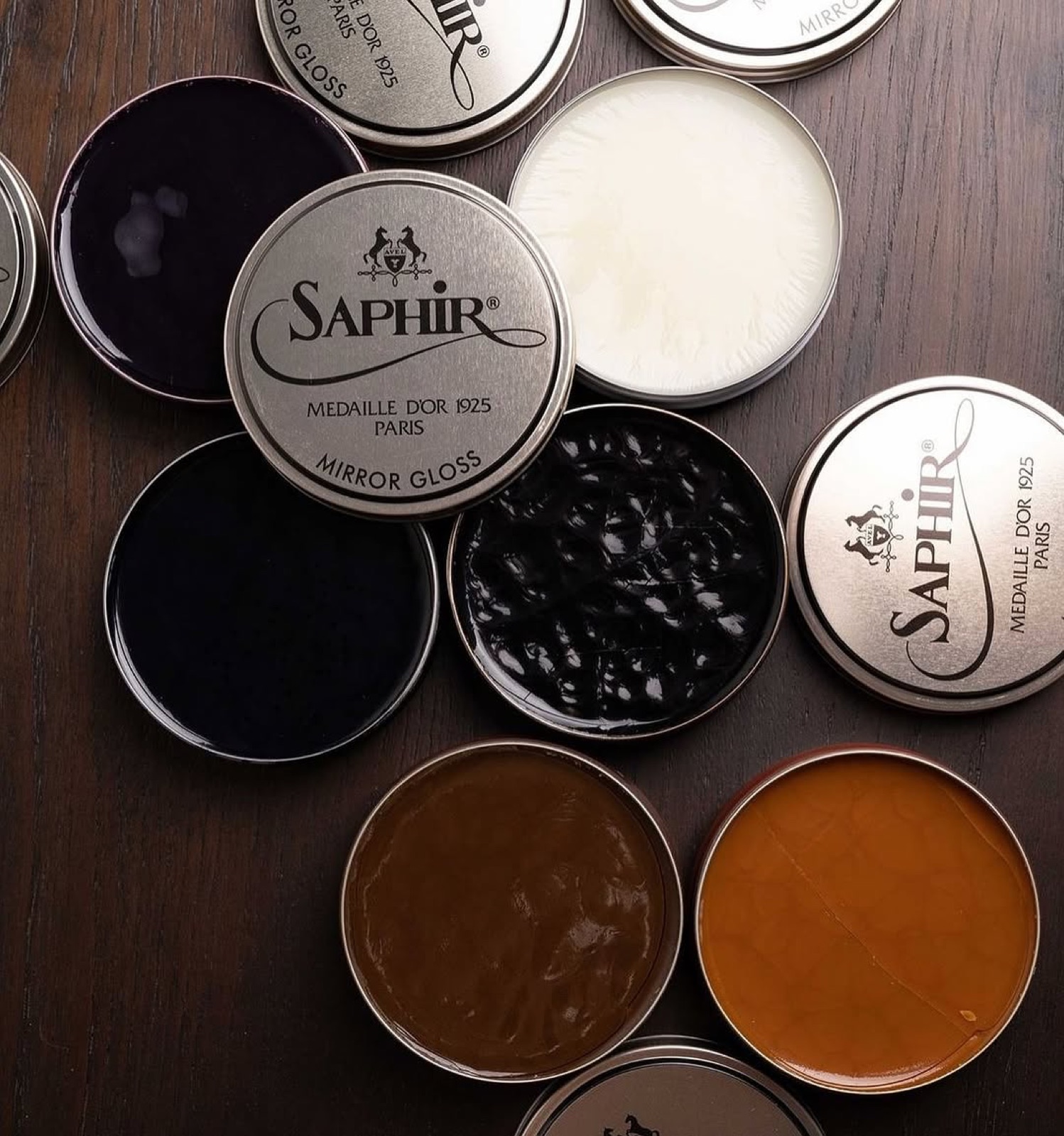
The best leather-care brands: Saphir (France) & its premium Médaille d'Or line, and Wren's. Choose by leather type — Gazano is an official partner.
Read full article →
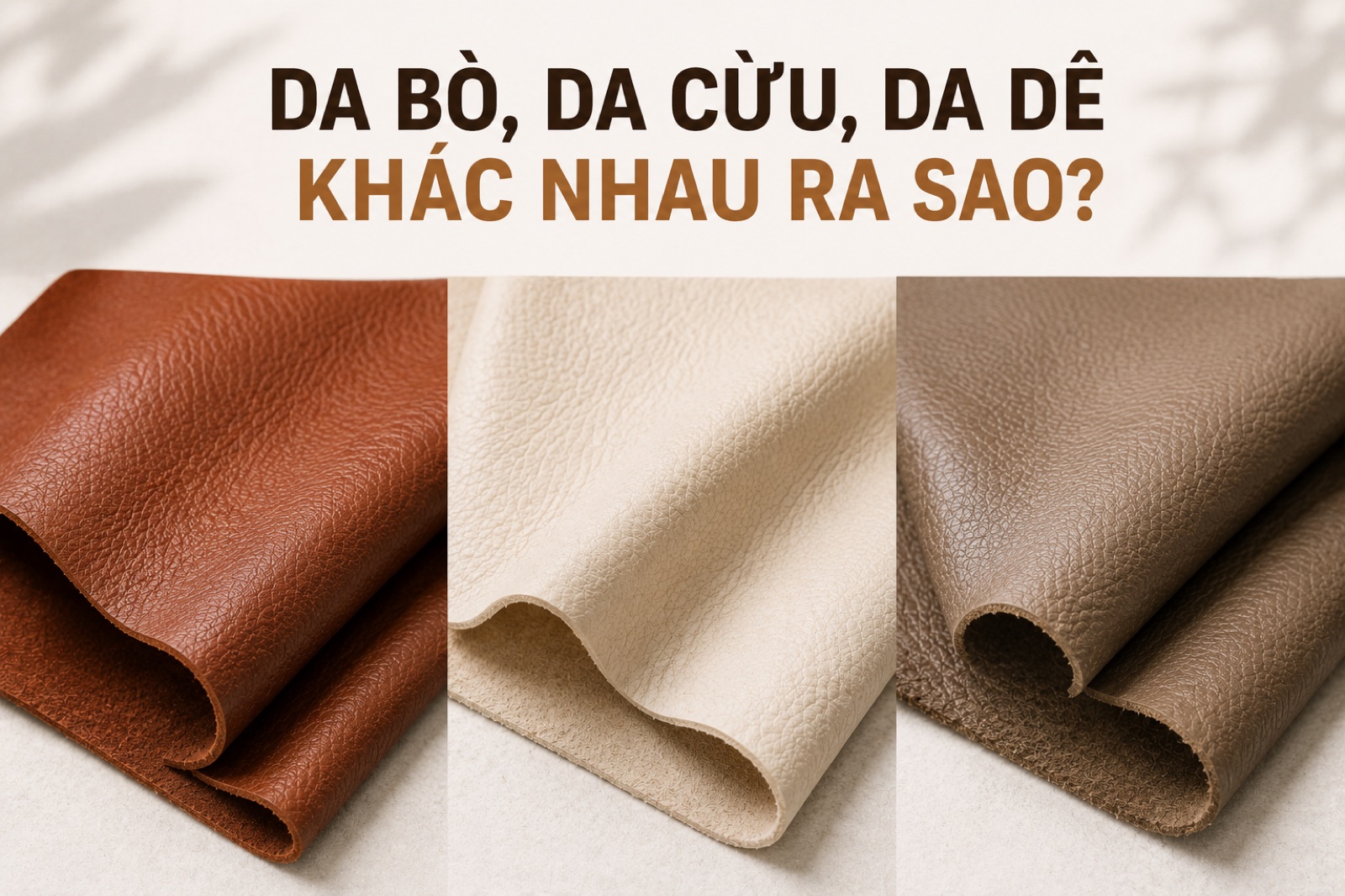
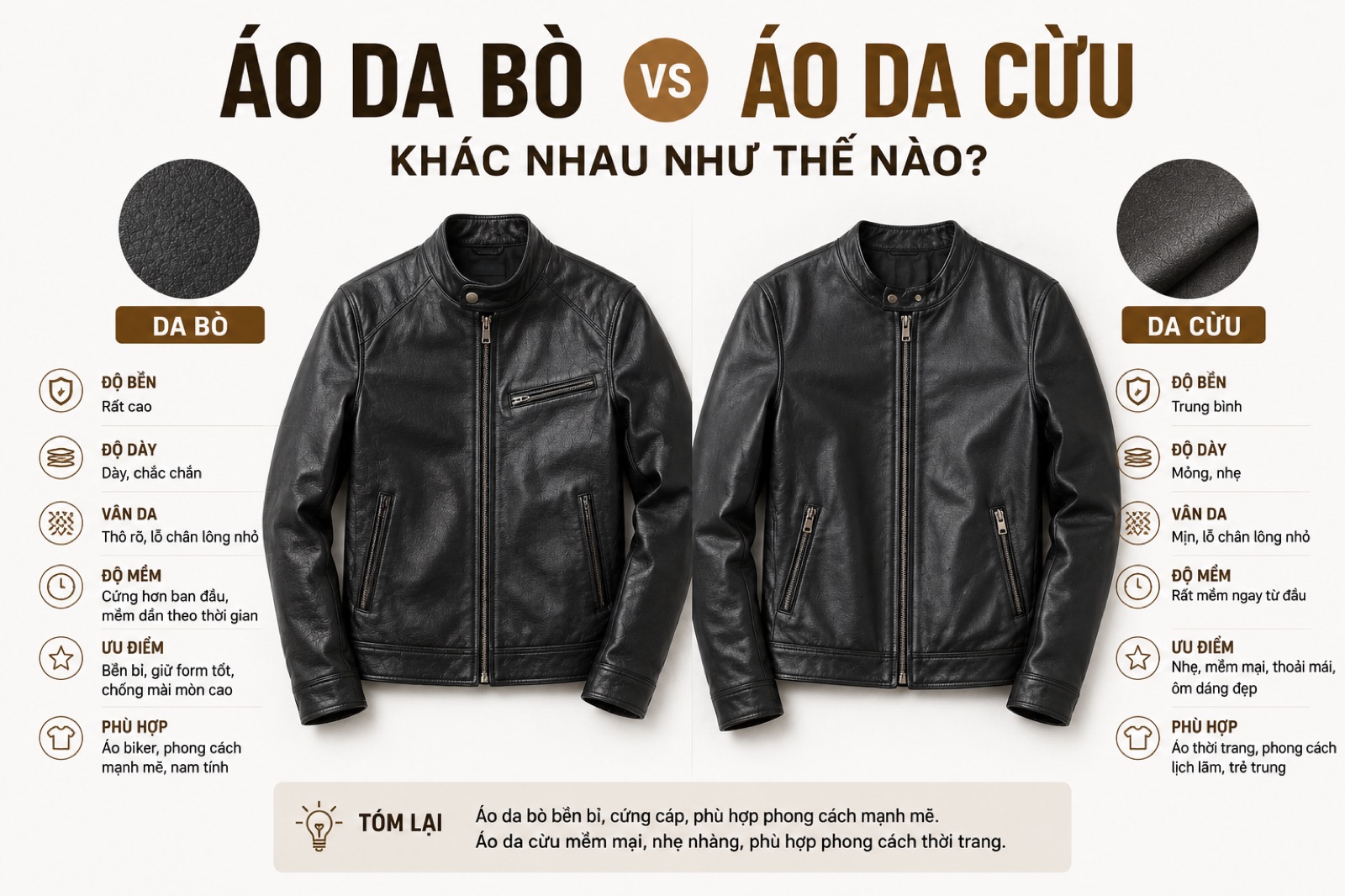
Cowhide is thick, strong and the most durable — great for jackets and load-bearing bags; lambskin is thin, ultra-soft, light and elegant but scratches easily — for premium casual jackets; goatskin is moderately soft with a beautiful grain.
Read full article →
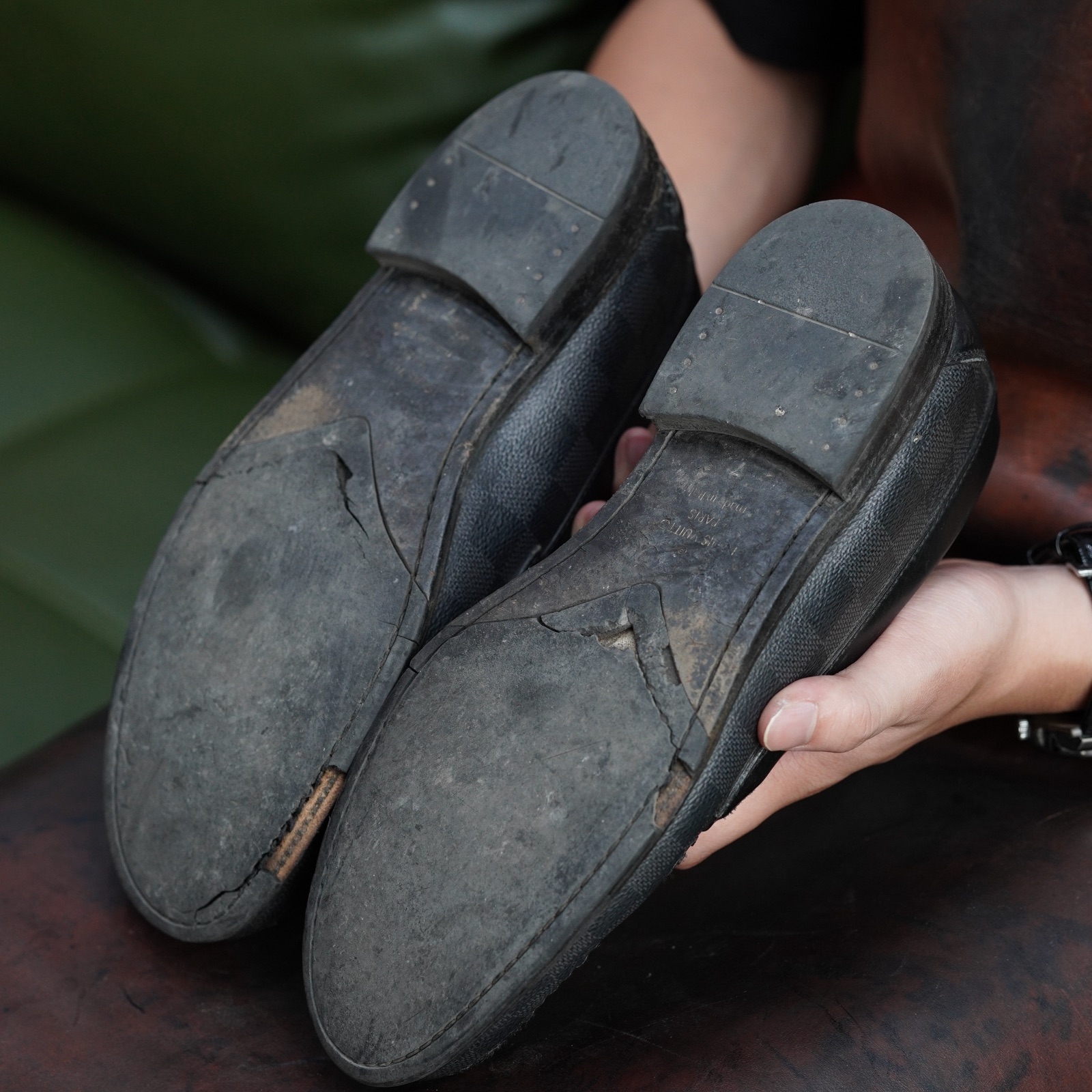
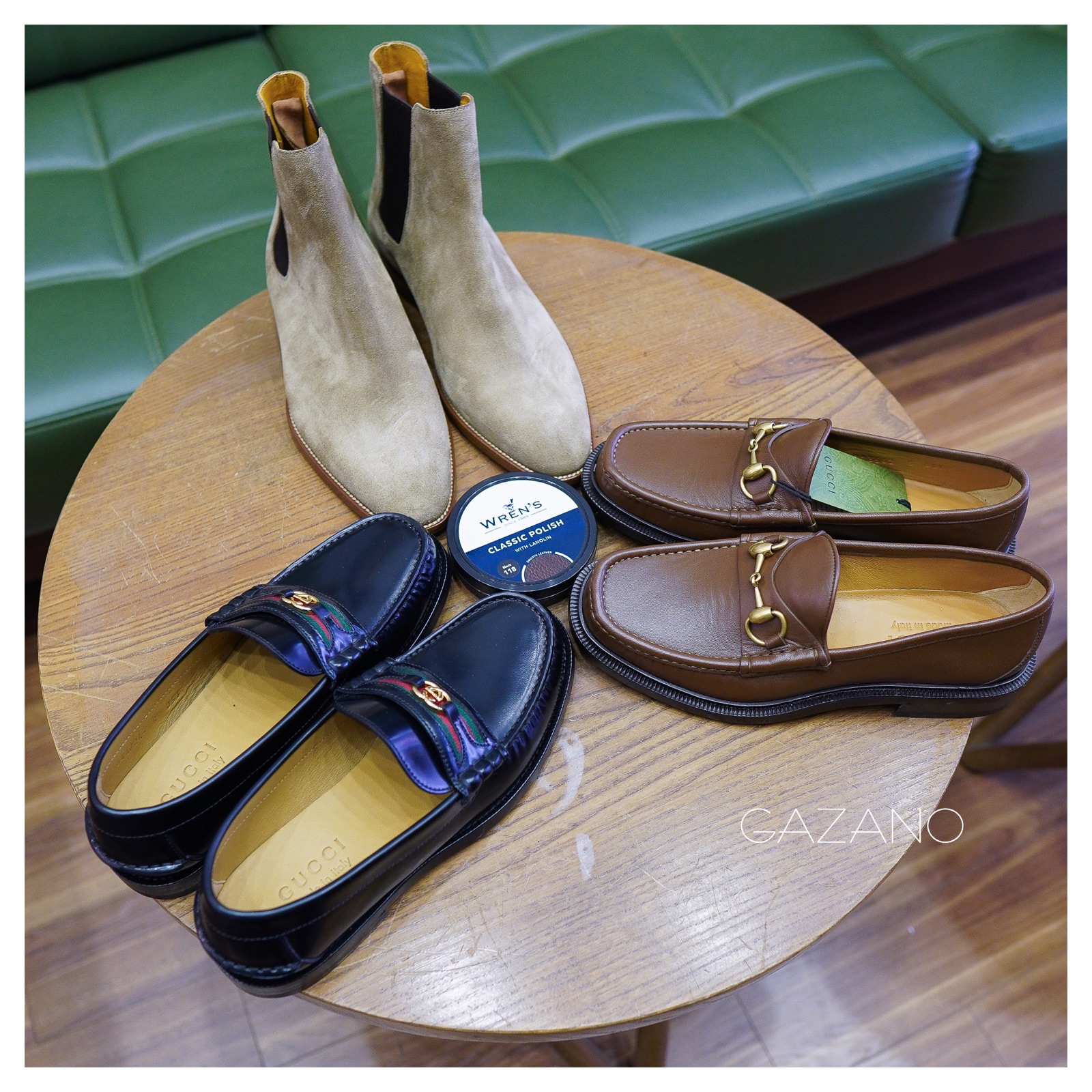
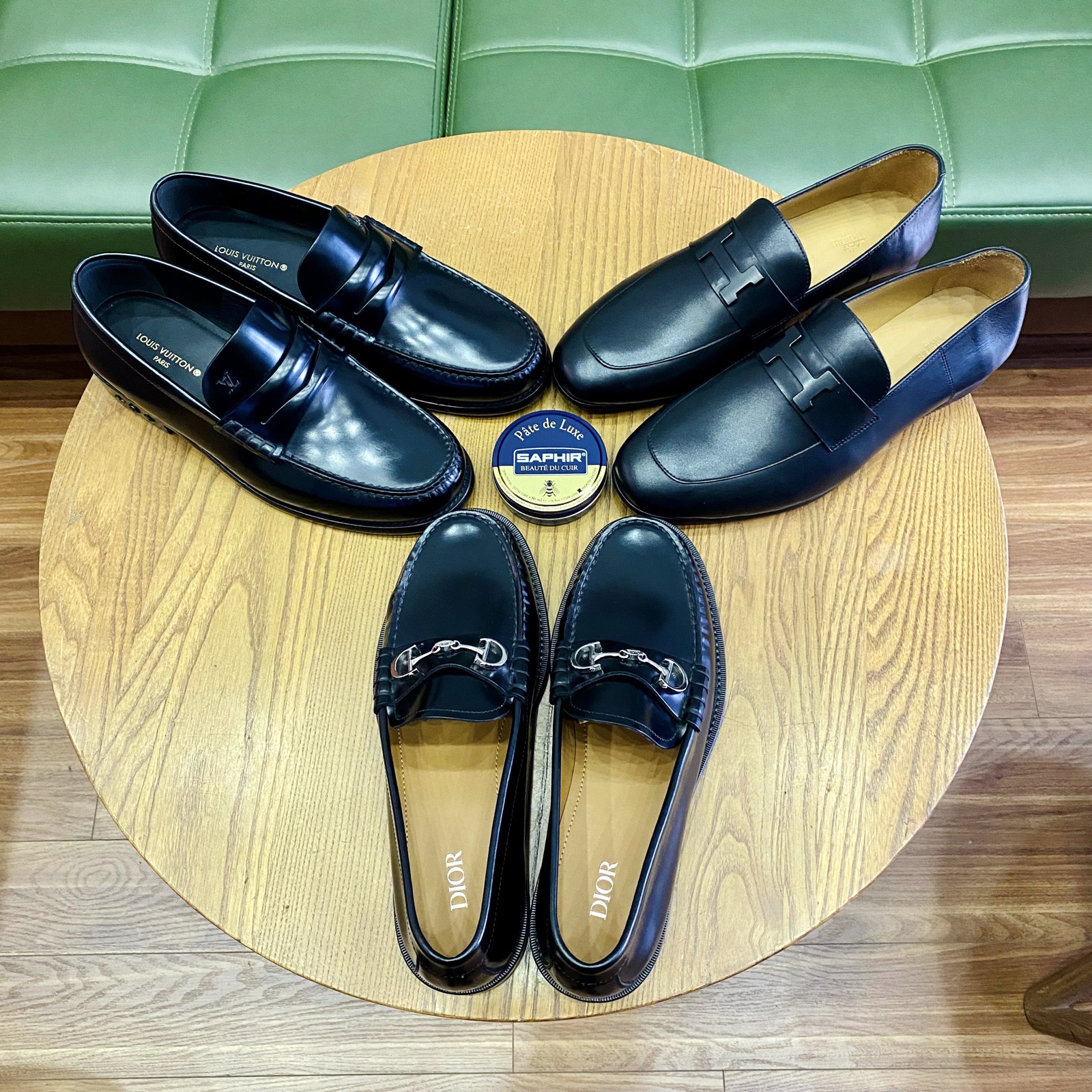
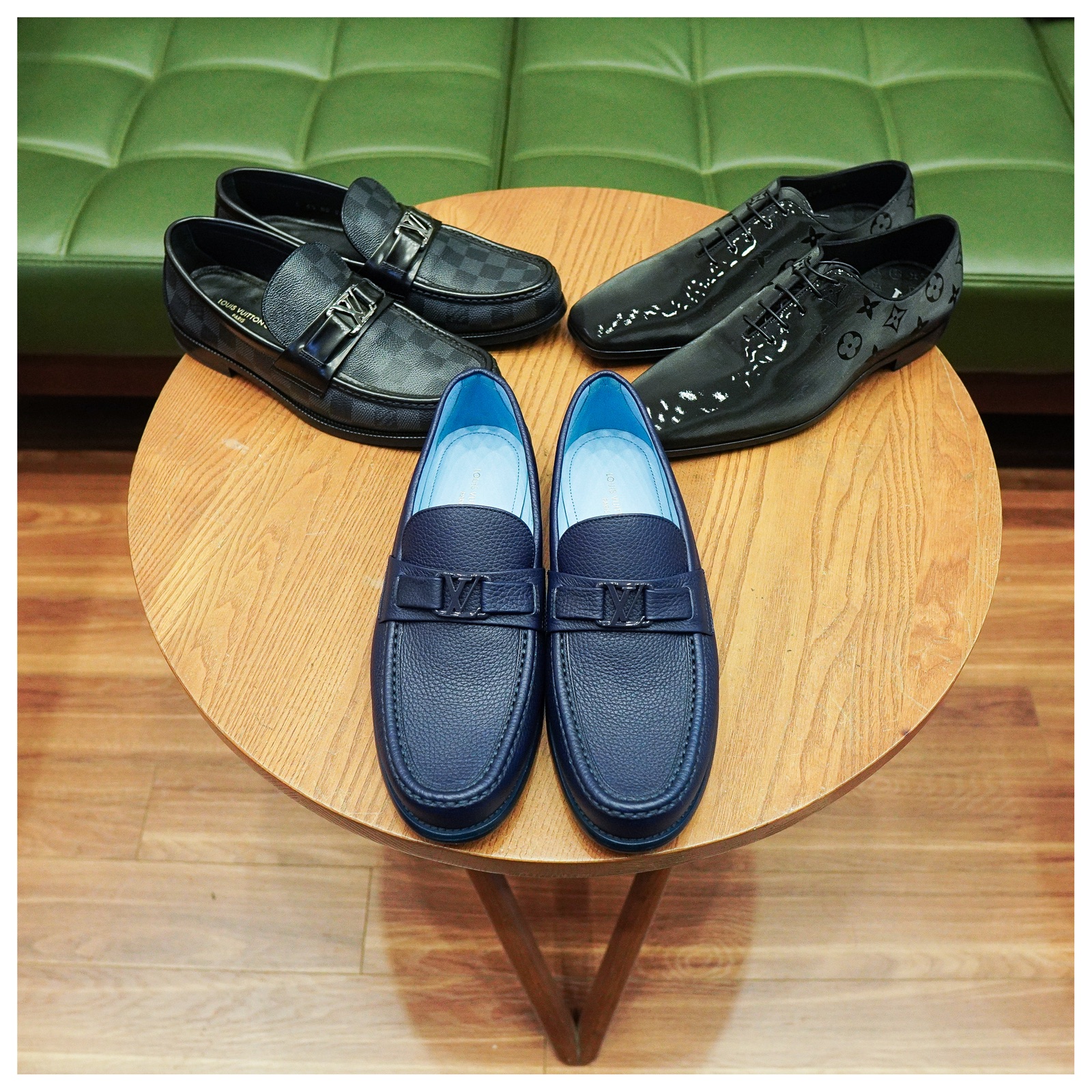
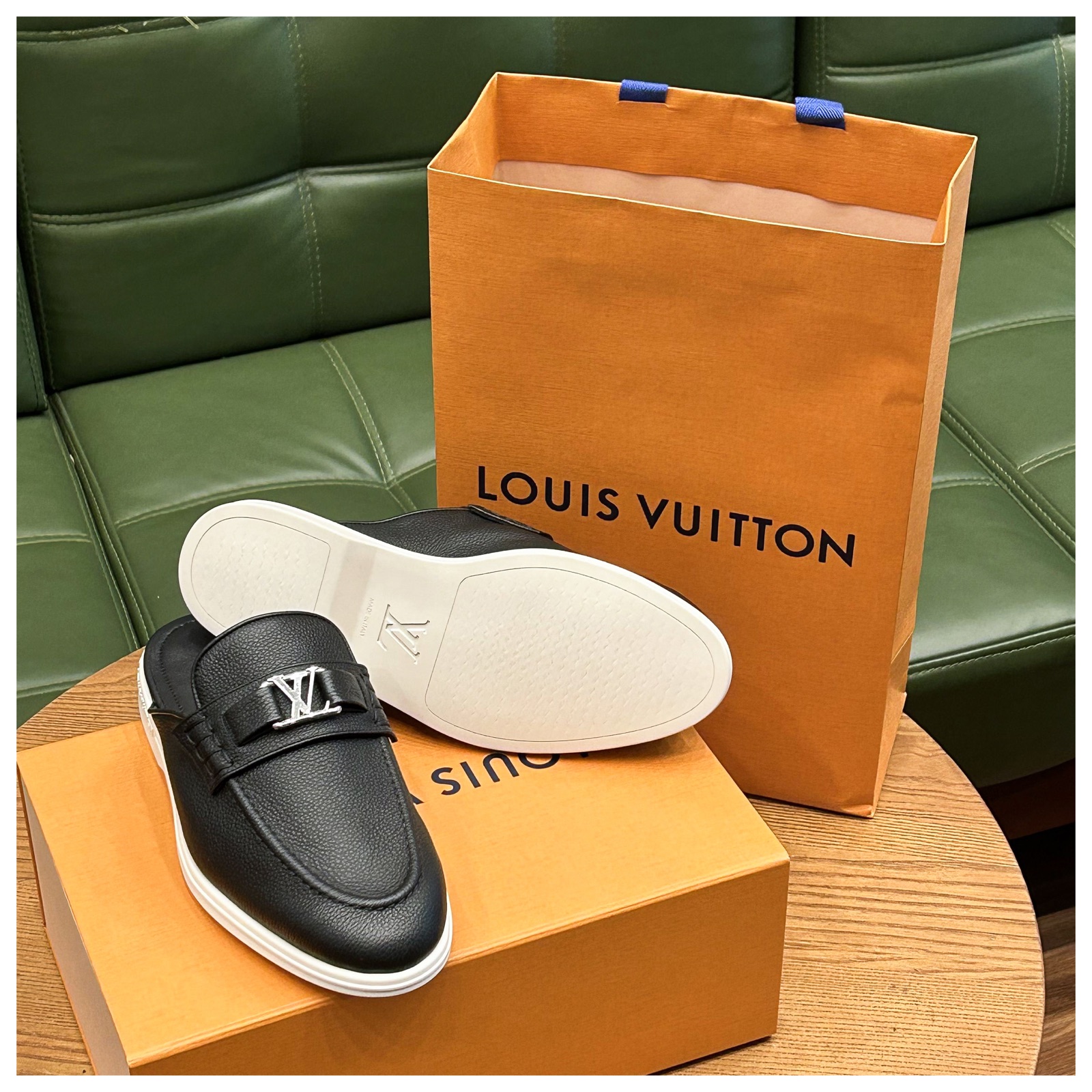
Louis Vuitton shoes (and designer shoes generally) commonly suffer: rubber soles/midsoles yellowing and turning brittle in storage, finish peeling at the toe, fading logos and patterns, and slippery worn soles.
Read full article →
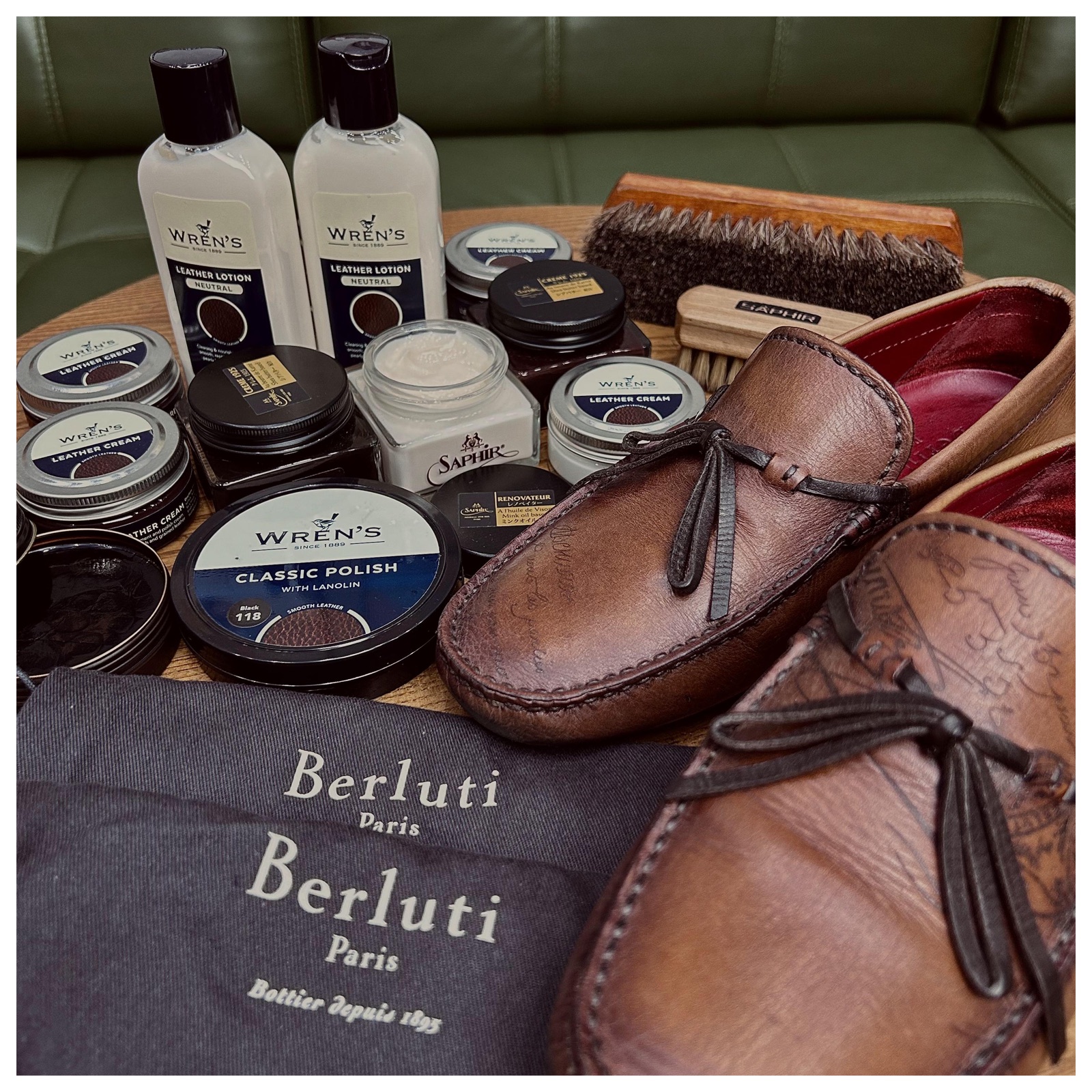
Berluti (the French house, since 1895) is defined by its exclusive Venezia leather and hand-layered patina art that gives each pair unique color depth. Care must be exceptionally gentle.
Read full article →
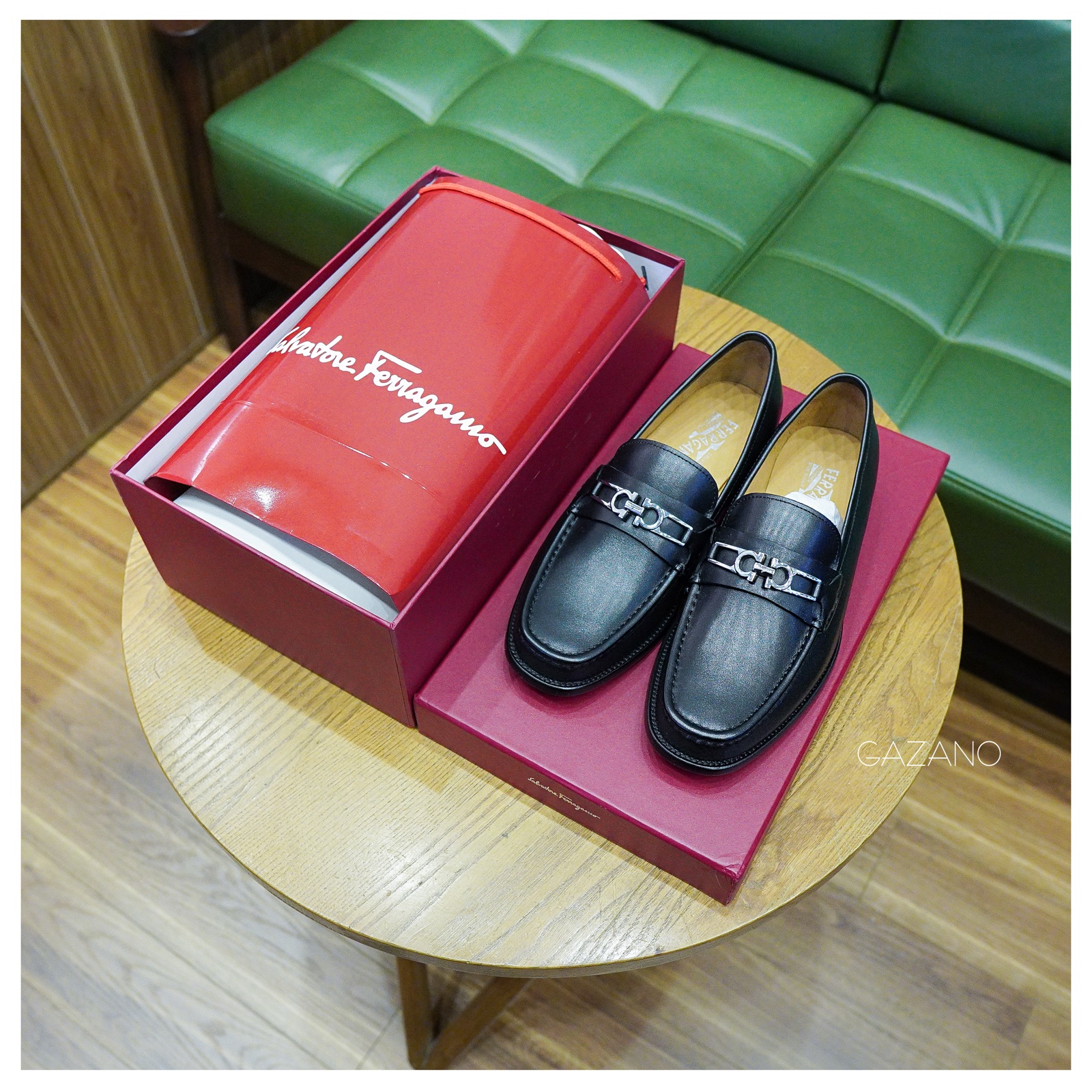
John Lobb and Santoni are high-end handmade shoes; versus 5–10-million-đồng pairs they win on leather (superb box calf), construction (hand-sewn Goodyear/Blake, resolable many times) and longevity.
Read full article →
Men's mules (open-heel slip-ons) are backless leather shoes that slip on instantly. They're popular in Vietnam because they suit the hot climate and are easier than lace-ups yet dressier than slippers.
Read full article →
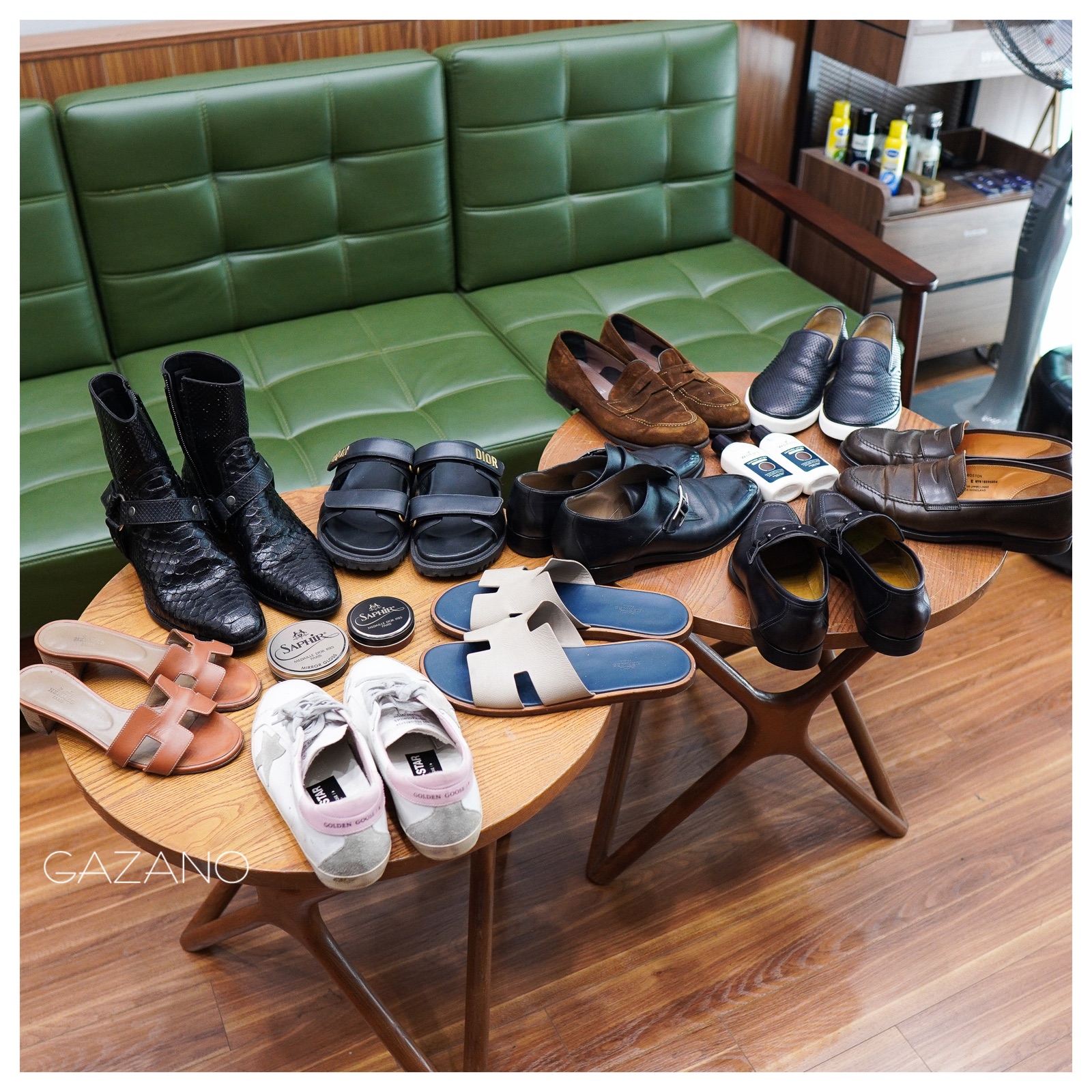
Yes — premium leather sandals need the same care as dress shoes, and more in places, since they take direct foot sweat and water. Brush, moisturize, and treat the footbed for sweat.
Read full article →
A yellowed, dull white bag can mostly be brightened, depending on the cause and depth. Light staining from dust/hand oils comes off with deep cleaning; deep oxidation or dye transfer needs more.
Read full article →
Cracked handles and worn corners are usually repairable: light wear takes conditioning and color restoration; severe cracking or rotted handles need patching, reinforcing or replacement. Cost depends on the damage and bag.
Read full article →
A dirty or mouldy fabric lining can be cleaned by vacuuming out debris, wiping with a mild fabric cleaner or specialty foam, spot-treating the mould, then letting it dry out fully. Never pour water in.
Read full article →
A long-stored bag turning sticky usually means the finish/coating (especially on nappa or PU-coated leather) has aged and "melted" in heat and humidity — the classic sticky/tacky syndrome.
Read full article →
A creased, peeling belt can be saved if the base leather is still sound: soften with conditioner, restore the color and re-seal the surface. If it's bonded leather peeling throughout, replacement is wiser.
Read full article →
For a smelly, stiff watch strap, weigh the value: ordinary straps are usually better replaced (cheap, hygienic); premium or original straps on expensive watches are worth restoring.
Read full article →
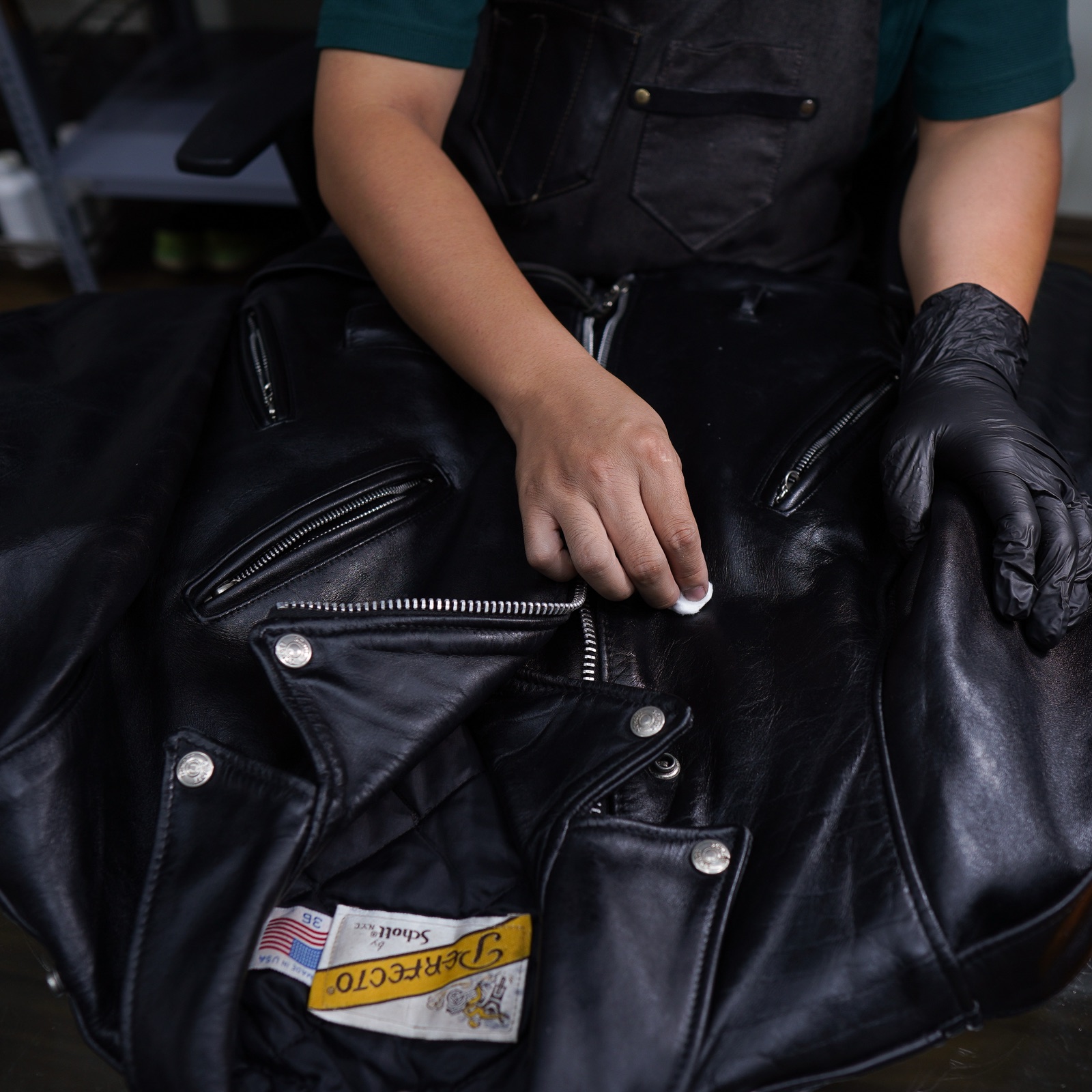
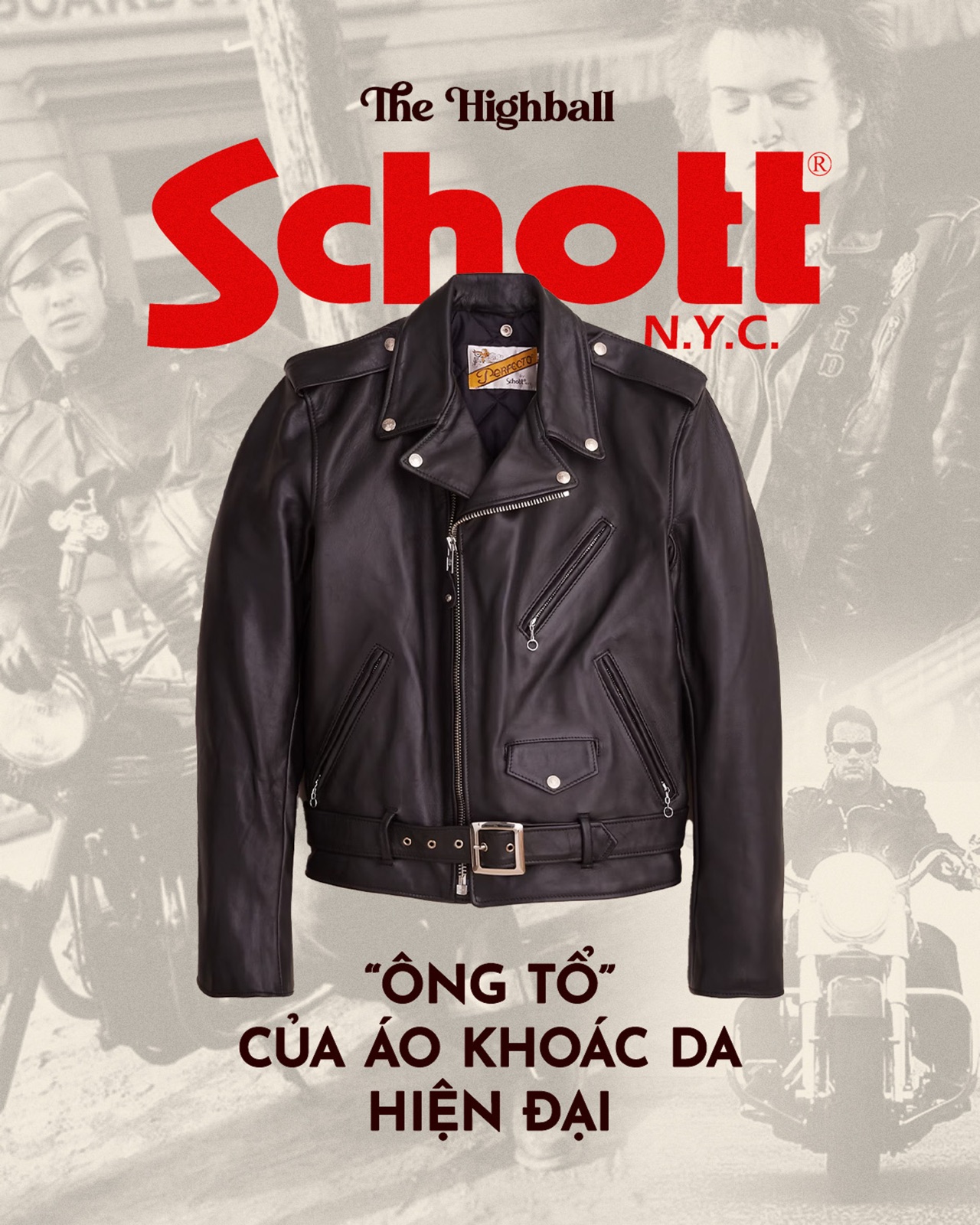
Schott is the American jacket maker (New York, 1913) famed for creating the first asymmetric-zip "Perfecto" biker jacket in 1928. Its legend comes from its place in culture.
Read full article →
Cowhide jackets are thick, durable, warm and hold their shape — for long-haul bikers/bombers; lambskin is thin, ultra-soft, drapes beautifully and looks refined but scratches and is less warm; horsehide is extremely tough and stiff.
Read full article →
A new jacket starts stiff and breaks in over weeks to months of regular wear, depending on the leather. Lambskin softens fast; cowhide and horsehide take longer. Wear it often.
Read full article →
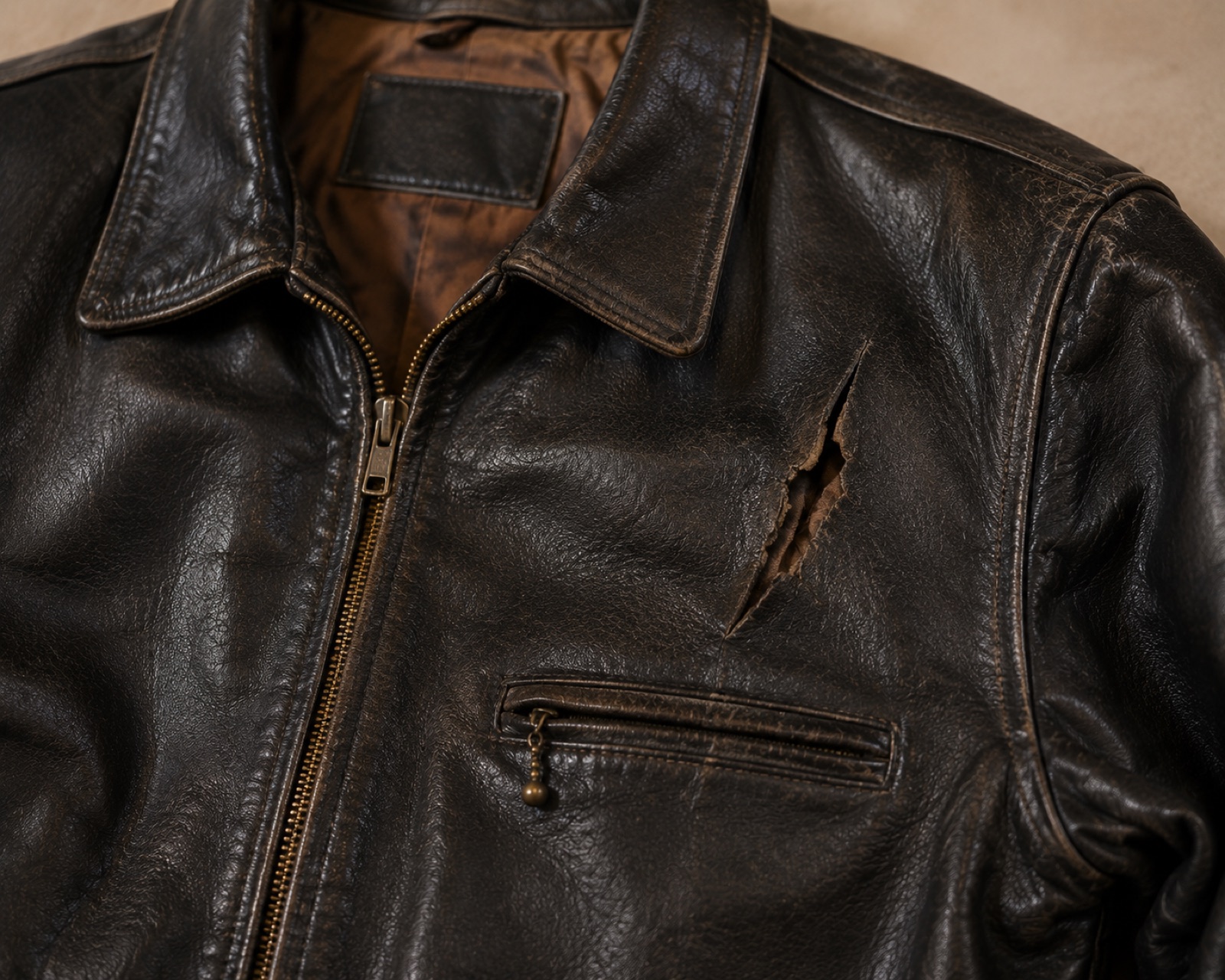
A torn jacket can be patched in many cases. Seam tears and small holes can be sewn or reinforced from the inside almost invisibly; large tears on flat panels will show.
Read full article →
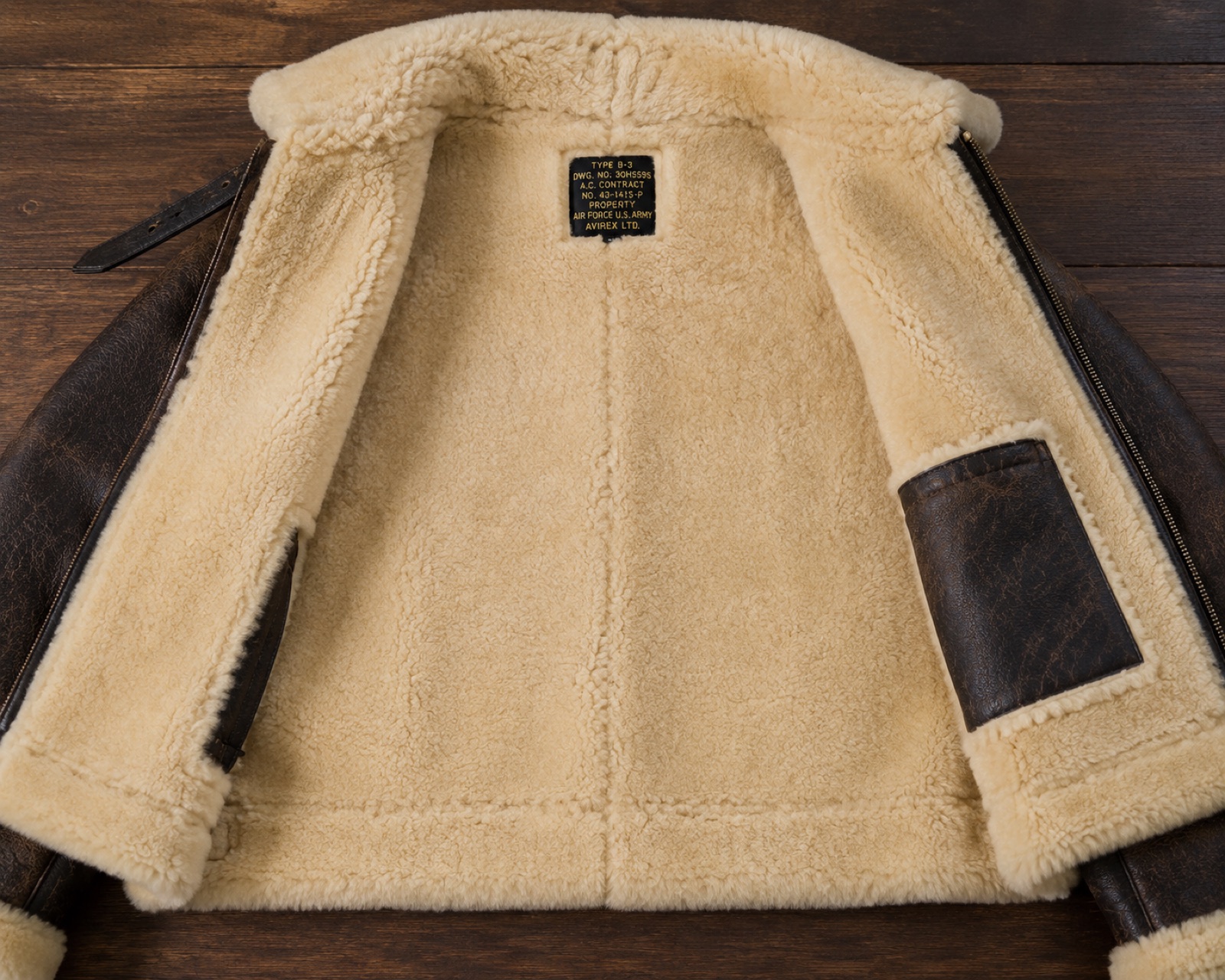
A B3 bomber's shearling lining is cleaned by vacuuming, brushing gently with the pile, spot-cleaning with a wool/leather solution, and air-drying — never machine washing.
Read full article →
Real leather jackets span a huge price range by leather and brand. Under 2 million ₫, you're most likely getting bonded leather, PU or low-grade hide — rarely quality real leather.
Read full article →
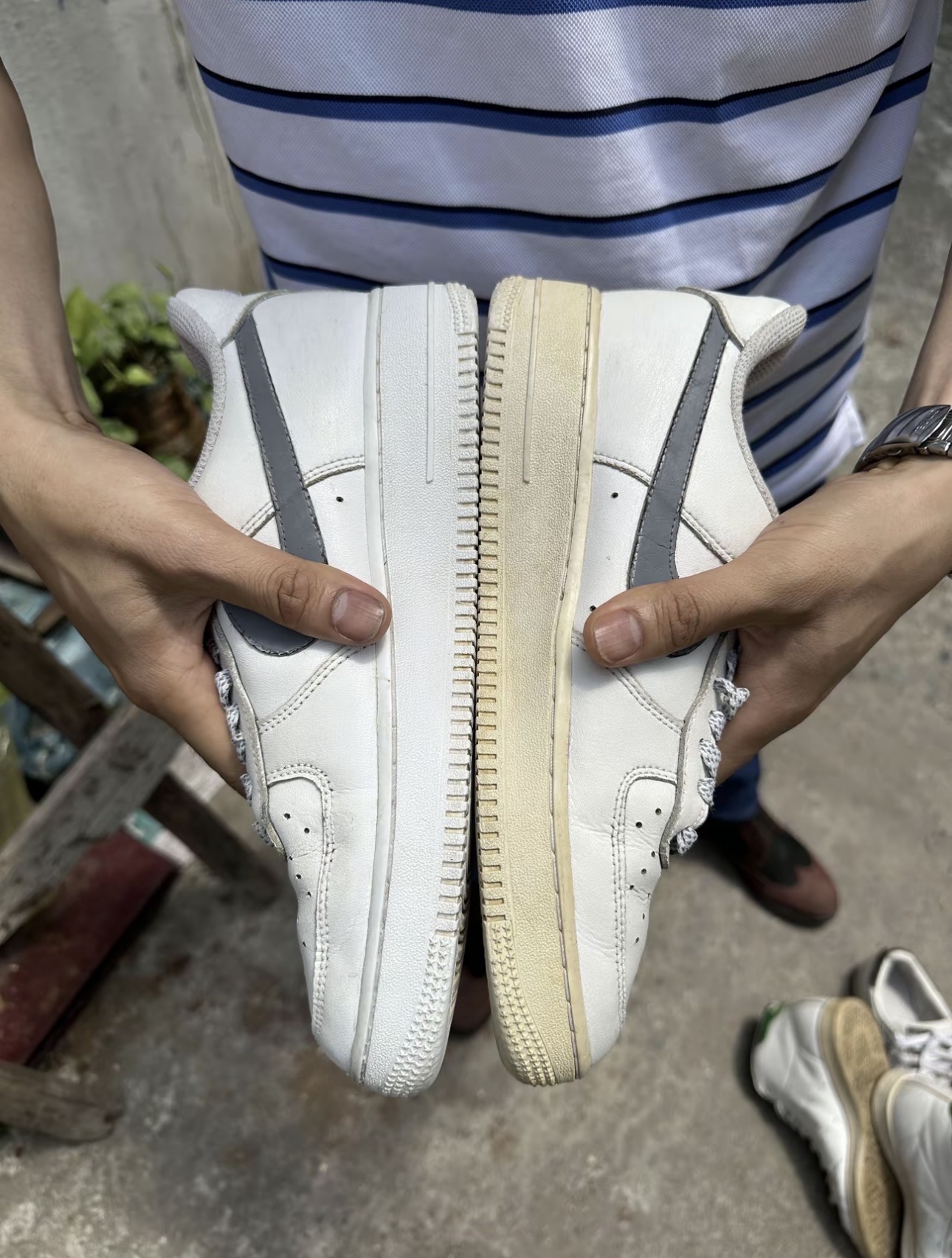
Yellowed white sneakers can be whitened depending on the cause: yellowed rubber soles (UV oxidation) take a whitening solution + sunlight; stained white leather uppers take deep cleaning.
Read full article →
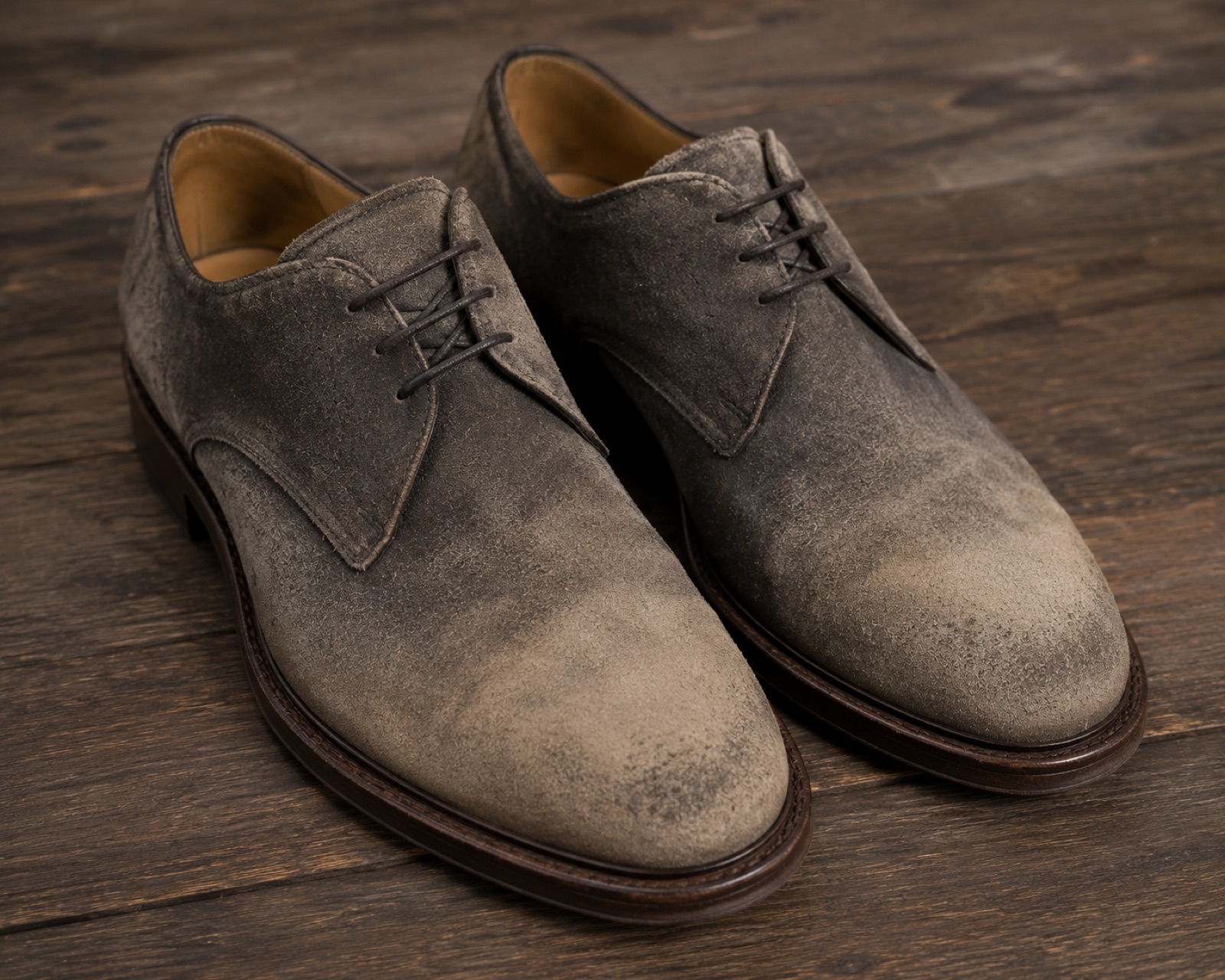
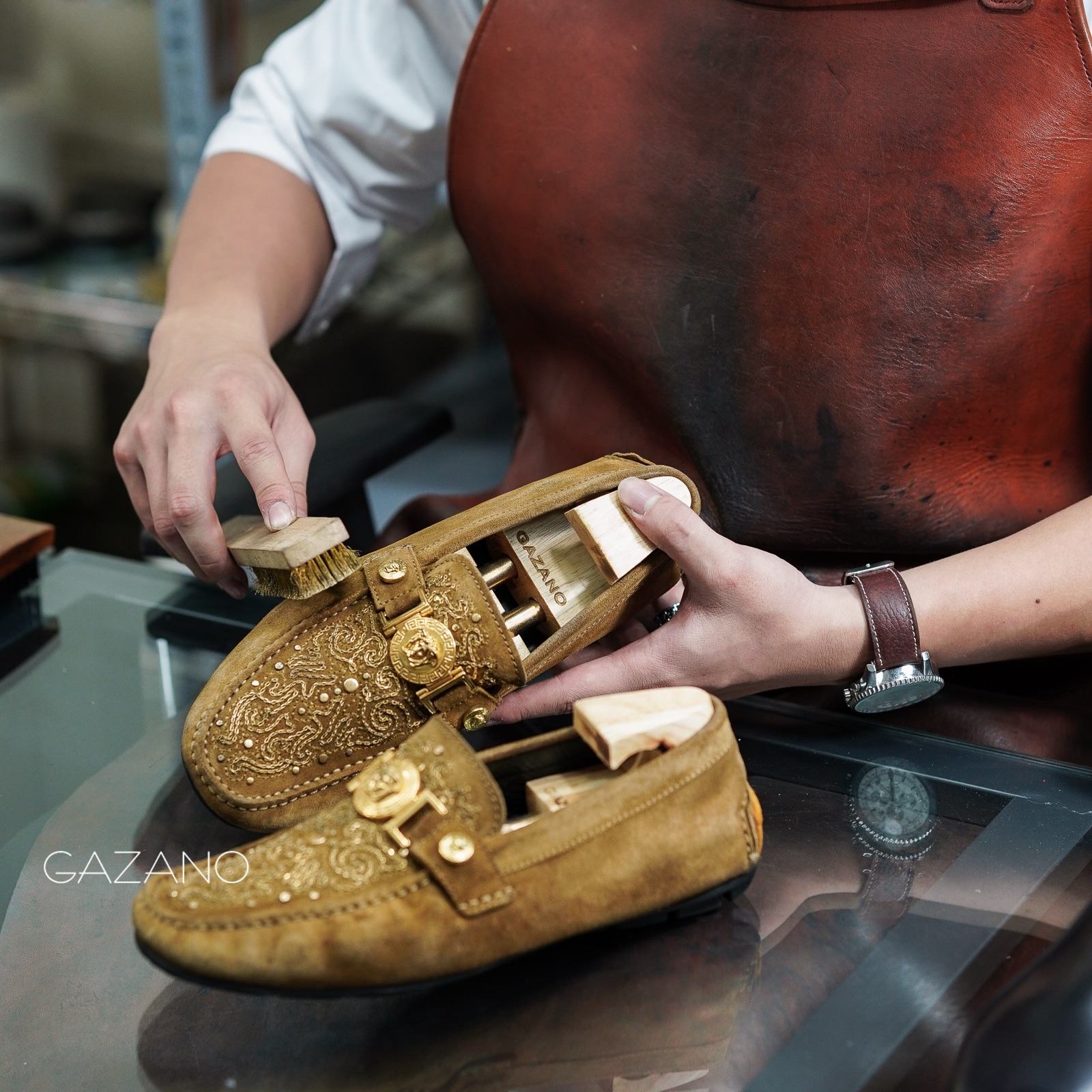
Faded, worn suede/nubuck can be re-dyed with suede-specific dye, combined with raising the nap and evening the color. Light wear just needs brushing and color touch-up.
Read full article →
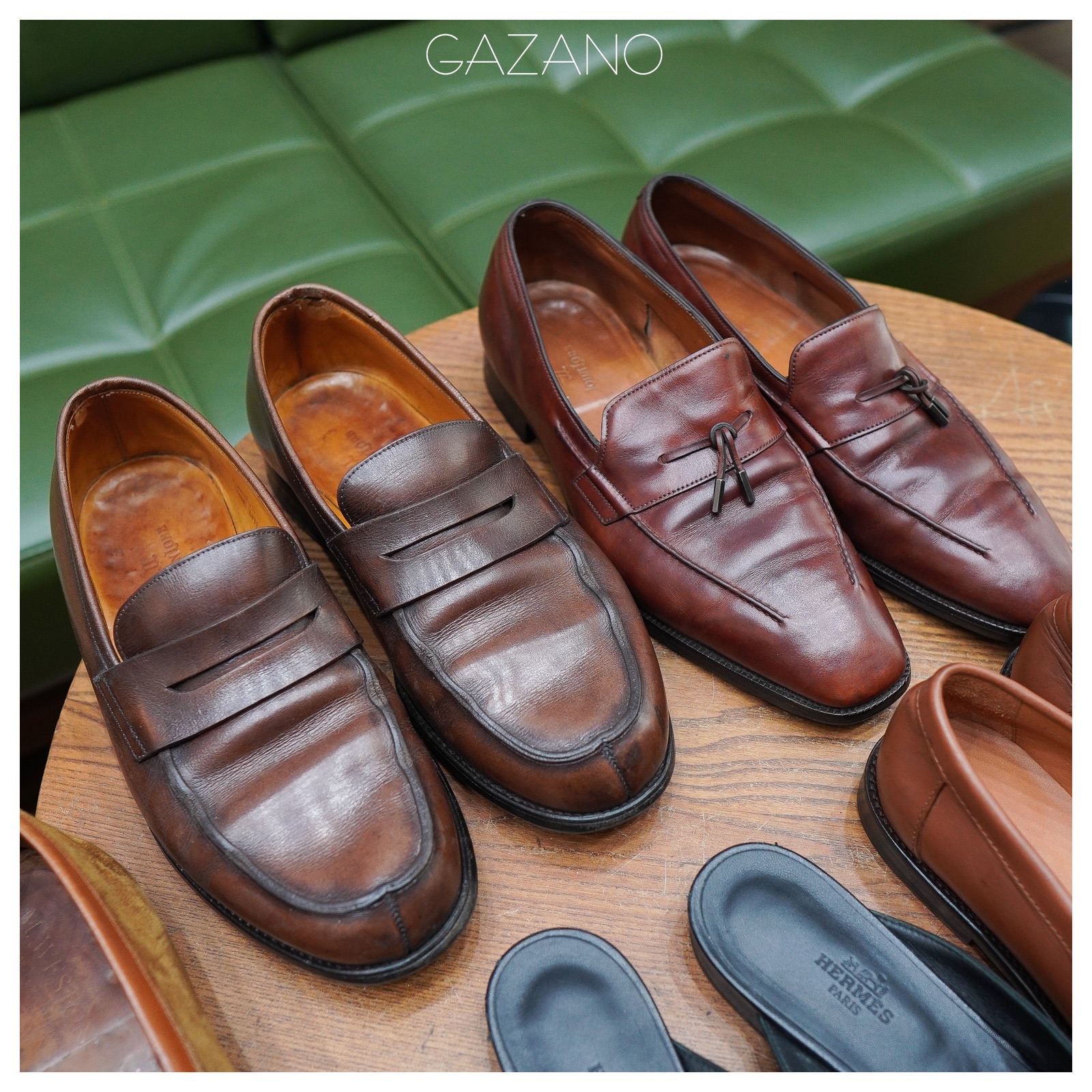
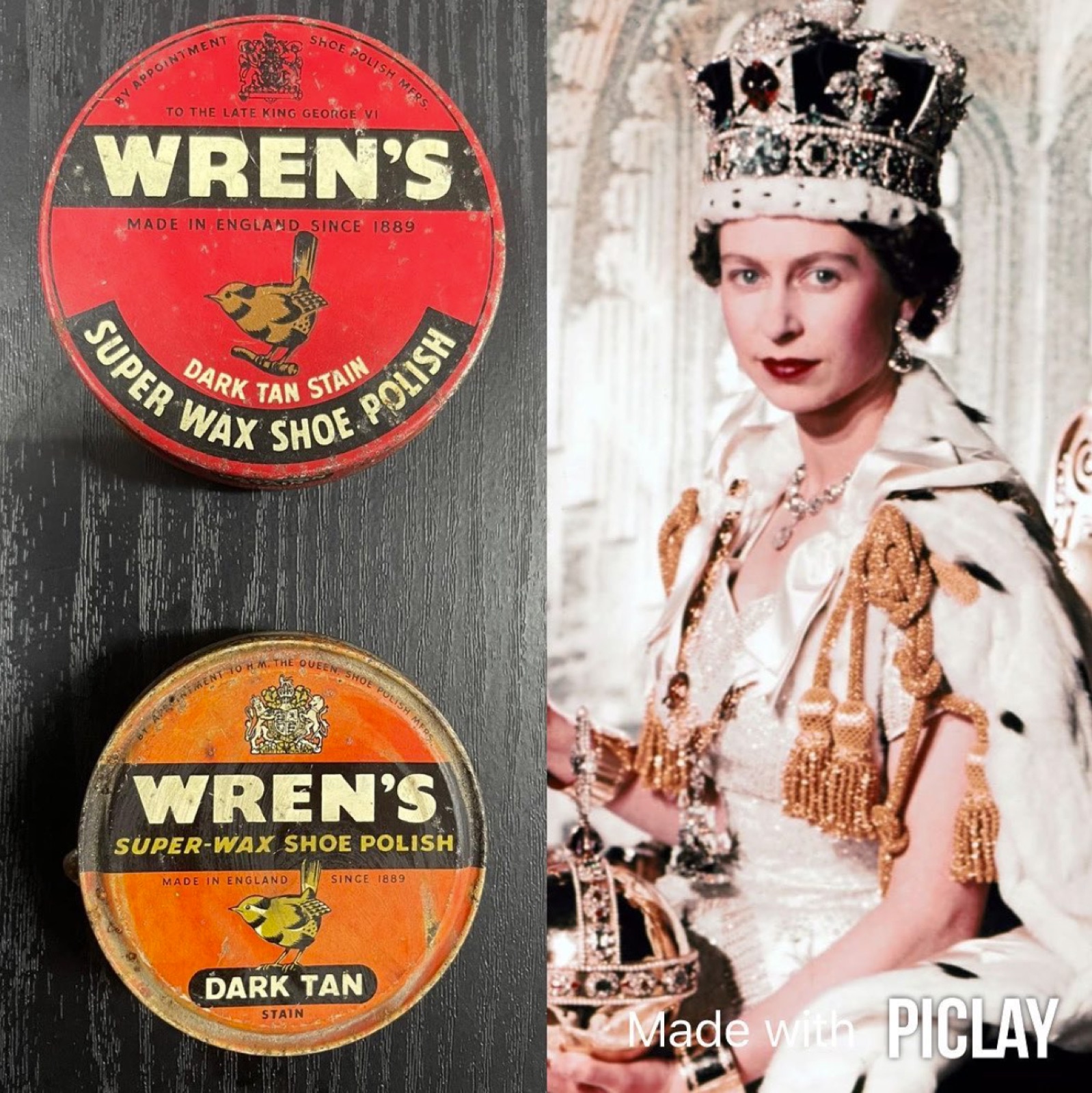
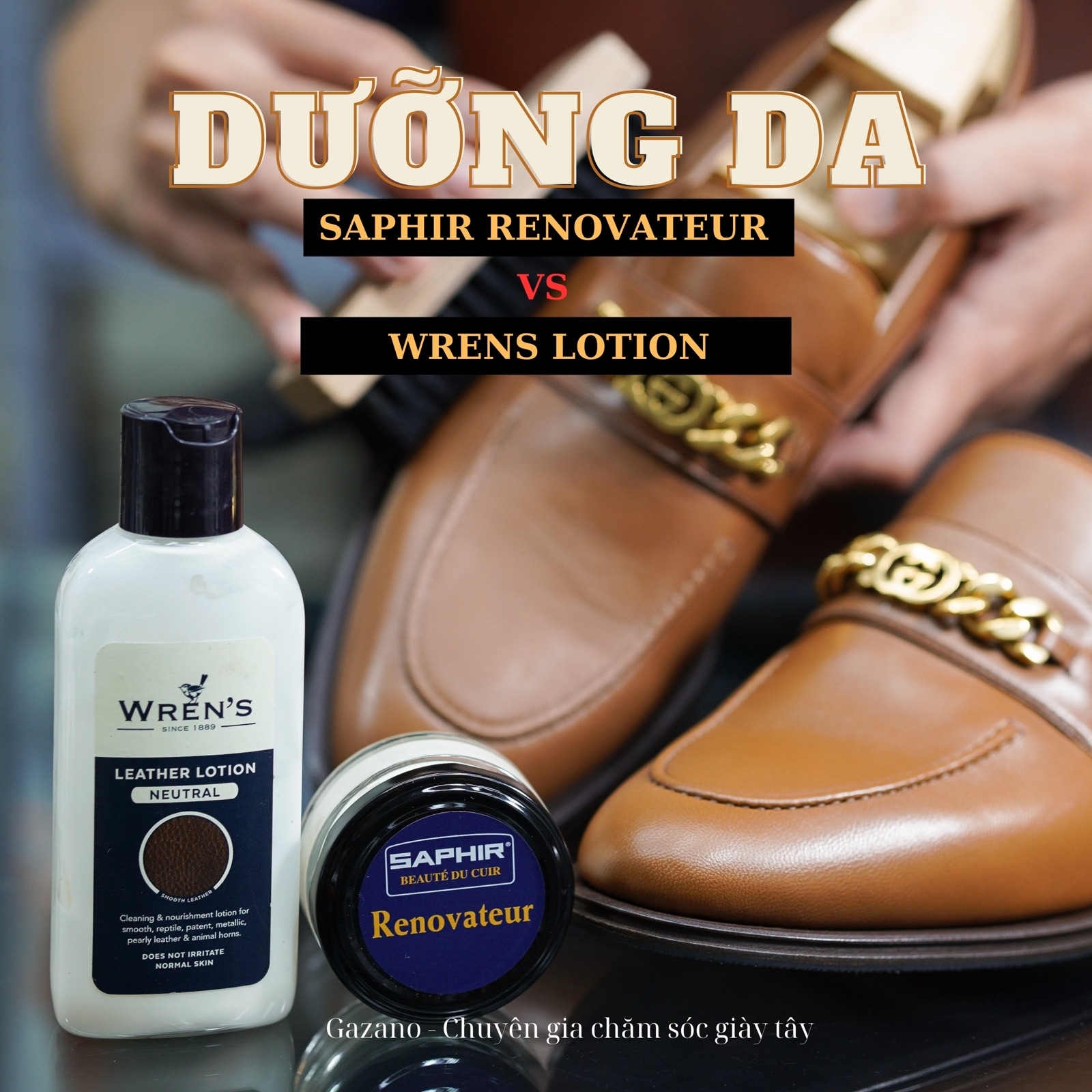
Wren's is a long-established English leather-care brand (usually dated to 1889). Versus Saphir (France, with its premium Médaille d'Or line), Wren's leans toward gentle cleansing and conditioning at friendlier prices.
Read full article →
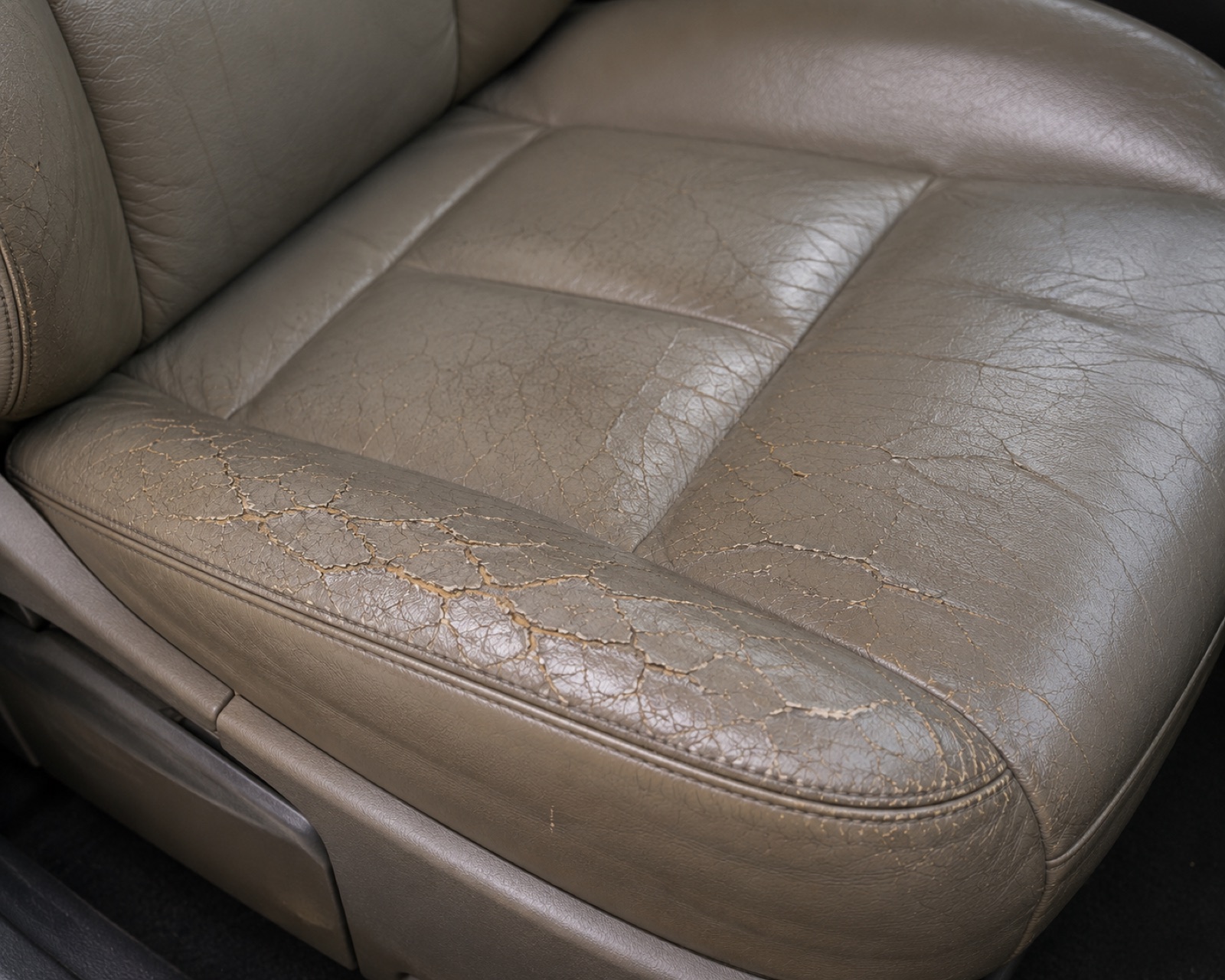
Cracked, faded leather sofas and car seats are mostly restorable if the hide or upholstery base is sound: clean, soften, restore the color and seal it. Deep cracks through the base are another matter.
Read full article →
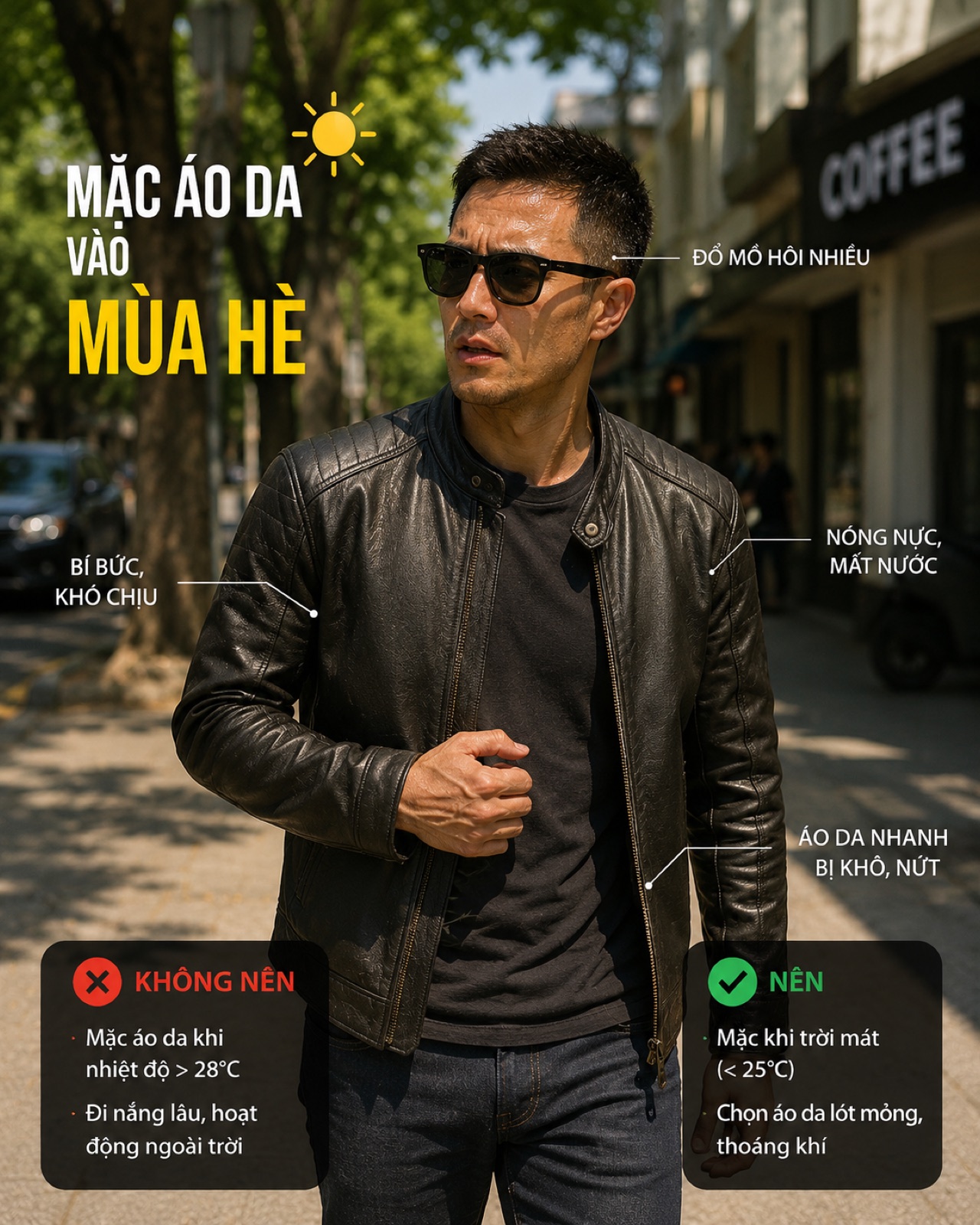
You CAN wear leather in Vietnam's humid summer — pick thin, light hides and the right occasions (evenings, air-conditioning, riding). For light and elegant, thin lambskin; for durability, cowhide.
Read full article →
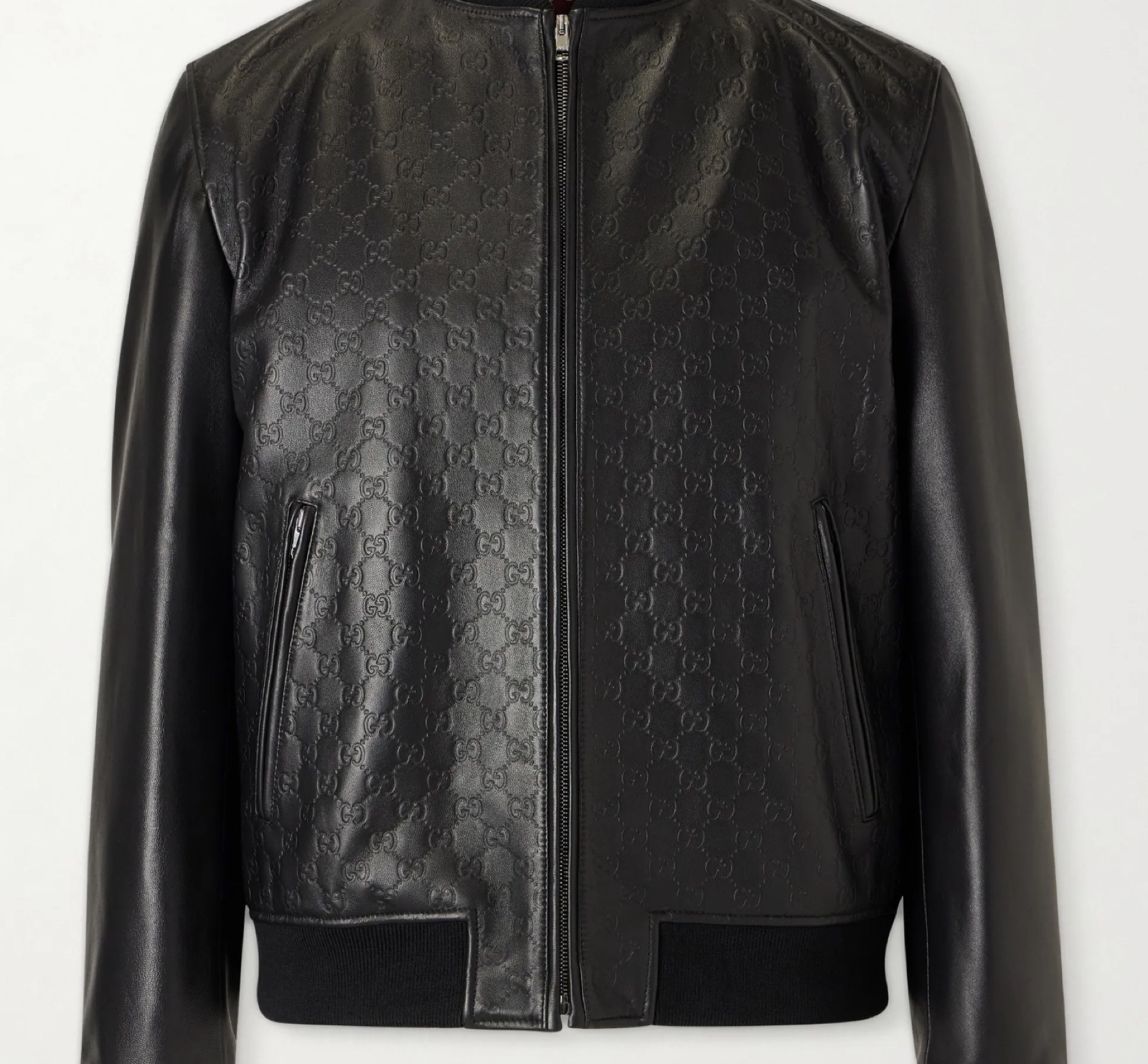
Fashion-house jackets (Gucci, Philipp Plein...) prioritize style, trend and branding — usually soft, thin leather with a beautiful finish. Purpose-built jackets (Schott, Vanson) are made to endure.
Read full article →
At the same price point, Vietnamese dress shoes (Fugashin, L'amant...) are genuinely good value: real leather, Goodyear/Blake construction, handsome lasts, and easy local repair support.
Read full article →
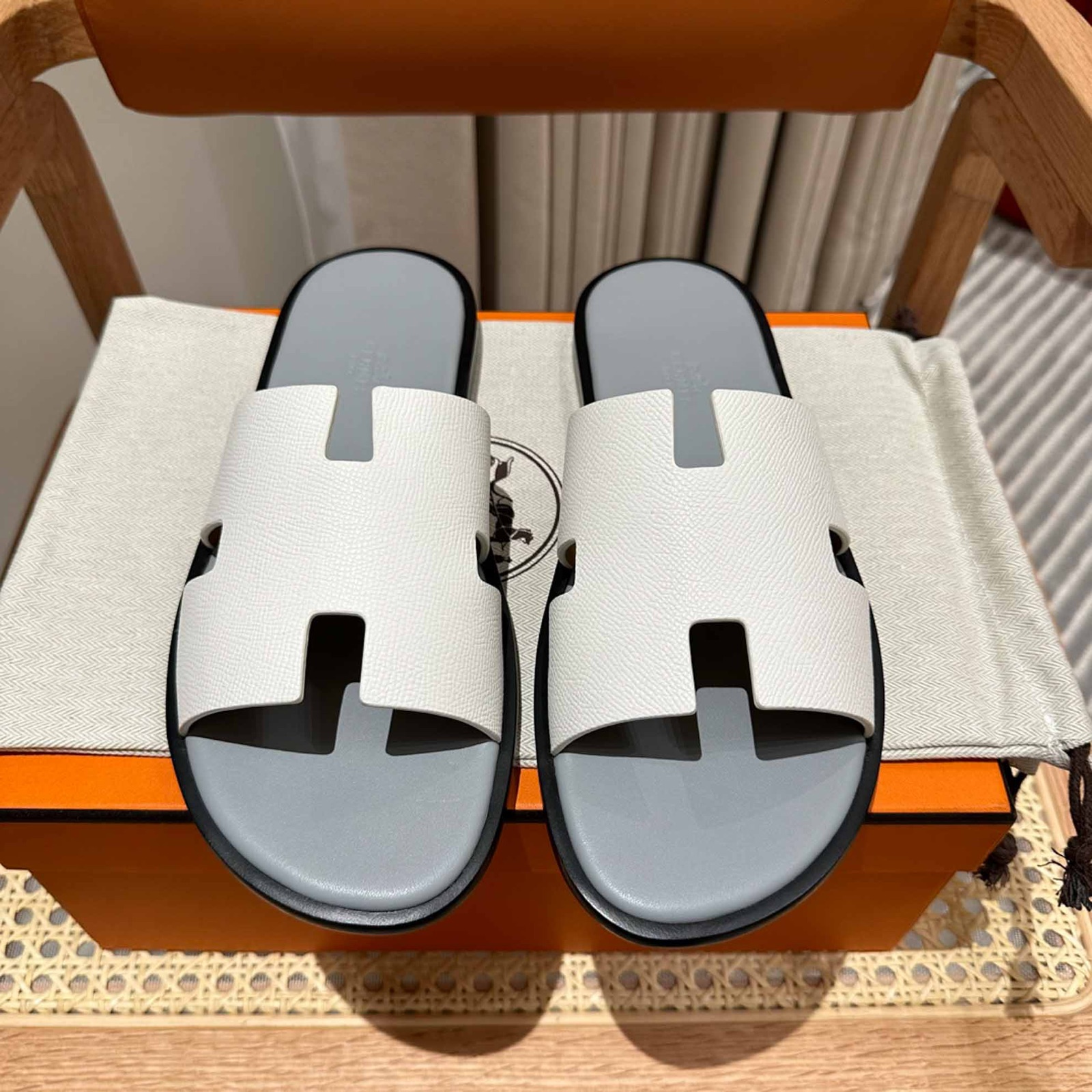
Hermès sandals (Oran, Izmir) are usually box calf or fine soft leather and need gentle care: wipe off sweat and dust after each wear, condition the straps regularly, avoid water and harsh sun.
Read full article →
Heels worn on one side usually come from GAIT/posture — an angled footstrike wears one edge — or sometimes poor fit or stiff soles. Fixable: the worn heel section can be rebuilt or replaced.
Read full article →
Tight shoes CAN be stretched to a degree (usually half to one size in width) with a shoe stretcher + stretching solution, or a cobbler's techniques.
Read full article →
For a natural look in height-increasing shoes, choose hidden internal lifts (2–5cm), balanced lasts and soles that aren't obviously thick. Favor real leather.
Read full article →
There is an international shoe-shining championship (World Championships in Shoe Shining) where artisans compete in cleaning, conditioning and mirror-shine technique. Vietnamese artisans have competed and been recognized.
Read full article →
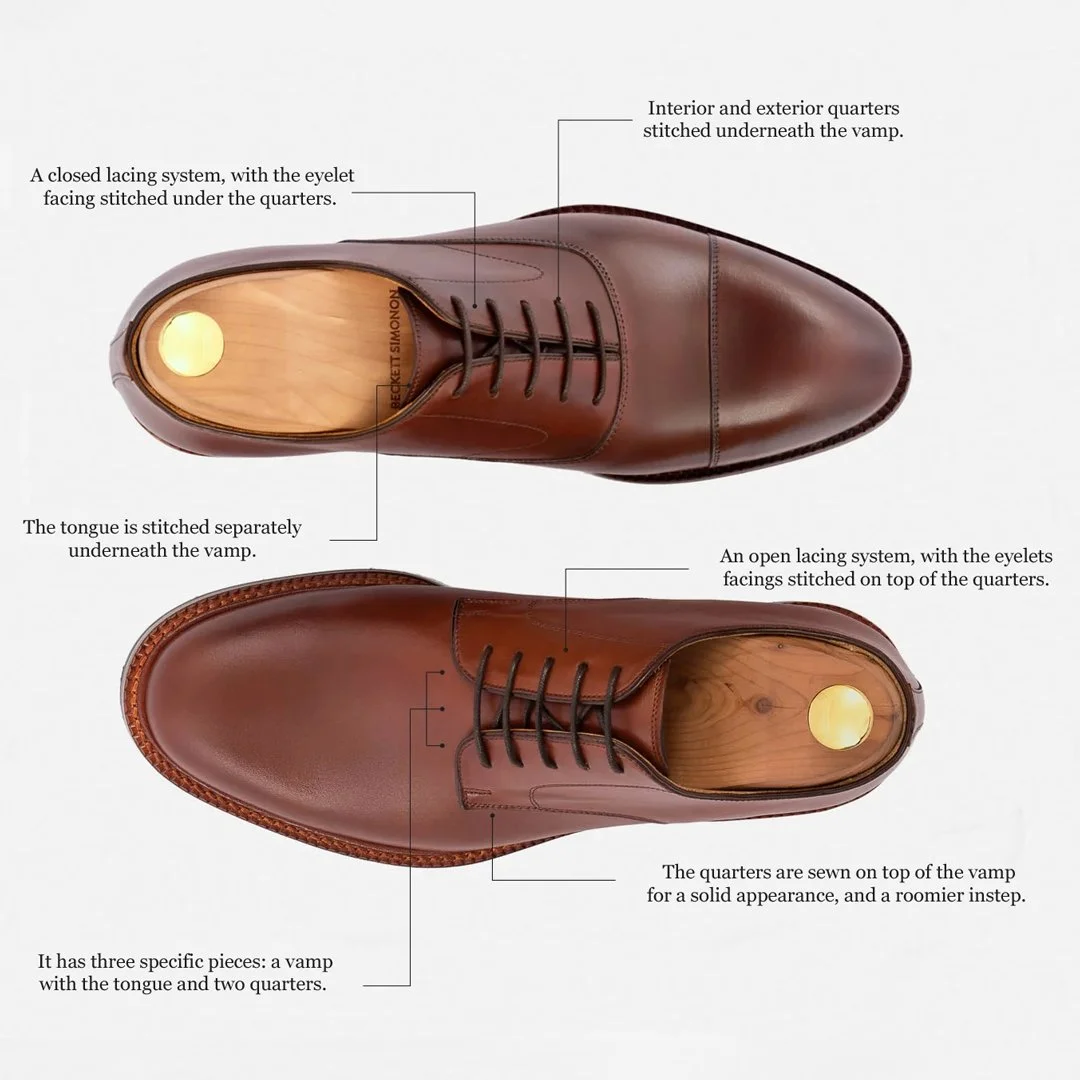
The core difference is the lacing: Oxfords are closed-laced (formal), Derbies open-laced (relaxed, versatile). Comparison table + history + care.
Read full article →
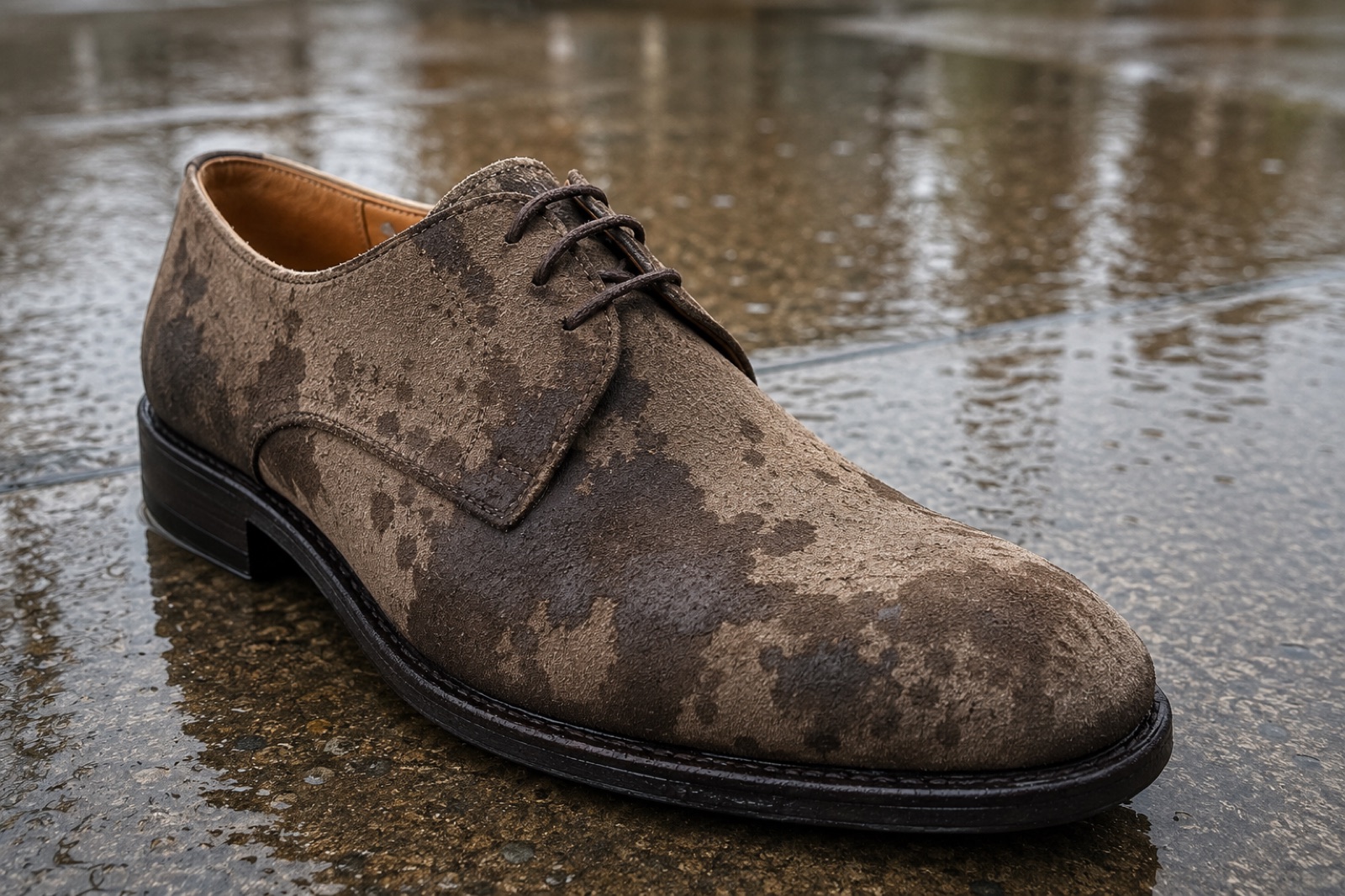
Rain-soaked shoes: blot dry with a soft cloth, insert shoetrees (or newspaper) to hold the shape and absorb moisture, then air-dry.
Read full article →
Don't polish (deep-condition) daily. The only daily habits should be brushing off dust and wiping with a soft cloth.
Read full article →
The polish-color rule: match the leather's tone or go slightly lighter, never darker. Brown leather takes brown polish.
Read full article →
Bags and wallets going into storage should be cleaned and conditioned first, stuffed with moisture-absorbing paper, and wrapped in a cloth bag.
Read full article →
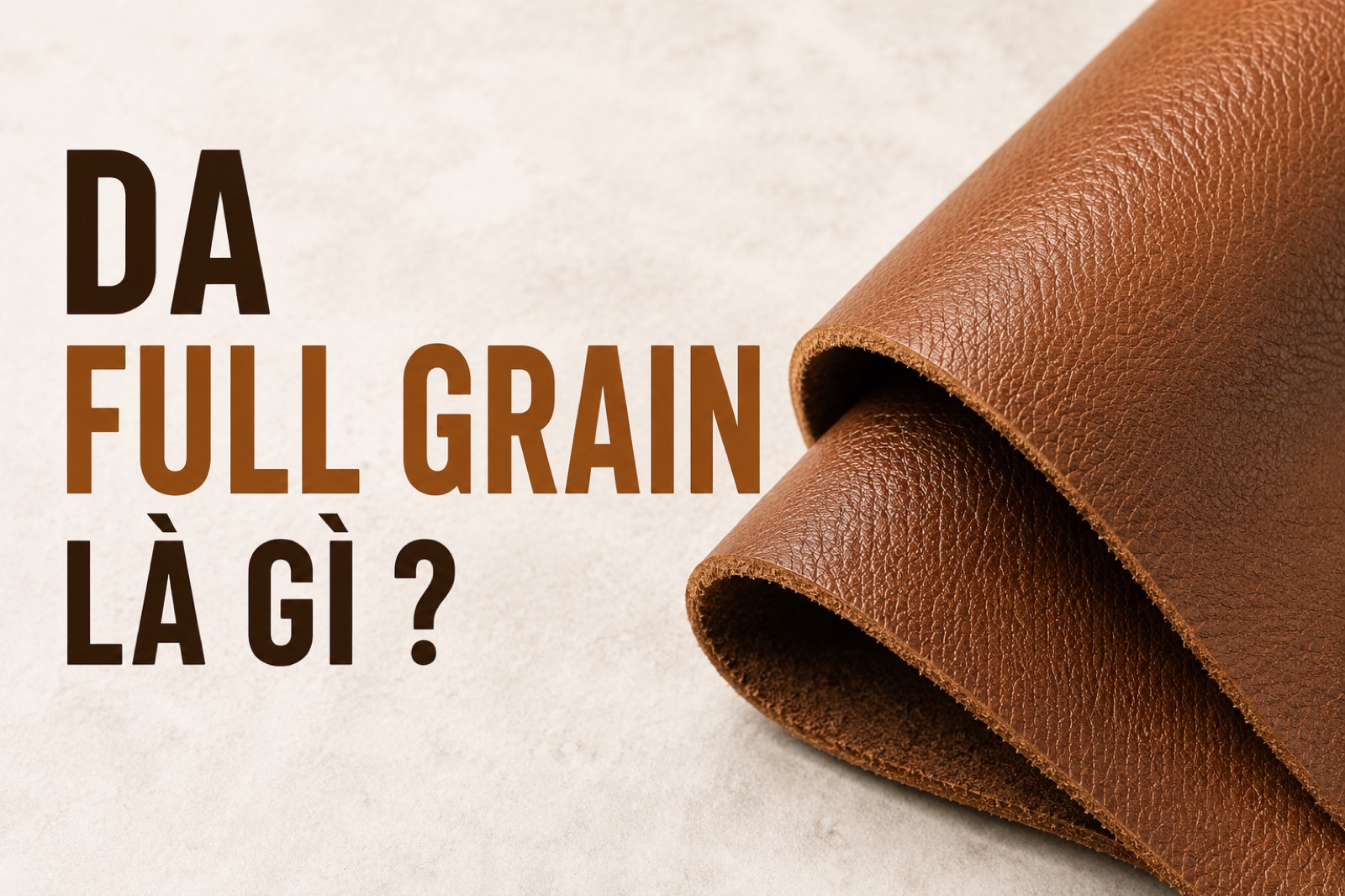
The four common shoe leathers: full-grain (intact top layer, the most durable and beautiful), top-grain (sanded smooth, softer), suede and patent.
Read full article →
Full-grain is the intact top layer of the hide — keeping its natural grain, pores and fiber structure, unsanded.
Read full article →
Real leather is animal hide — collagen fibers that need oils and moisture to stay supple, just like skin. When it dries out, it cracks.
Read full article →
Renovateur is the all-rounder — light cleansing plus nourishing moisture, used routinely. Conditioning creams and lotions focus on feeding the leather.
Read full article →
Choose products by LEATHER TYPE: smooth calf takes conditioner + polish; suede/nubuck takes a brush + dedicated solution.
Read full article →
DIY at home for light, routine work: dusting, conditioning, polishing, fresh stains. Go to the shop for real damage.
Read full article →
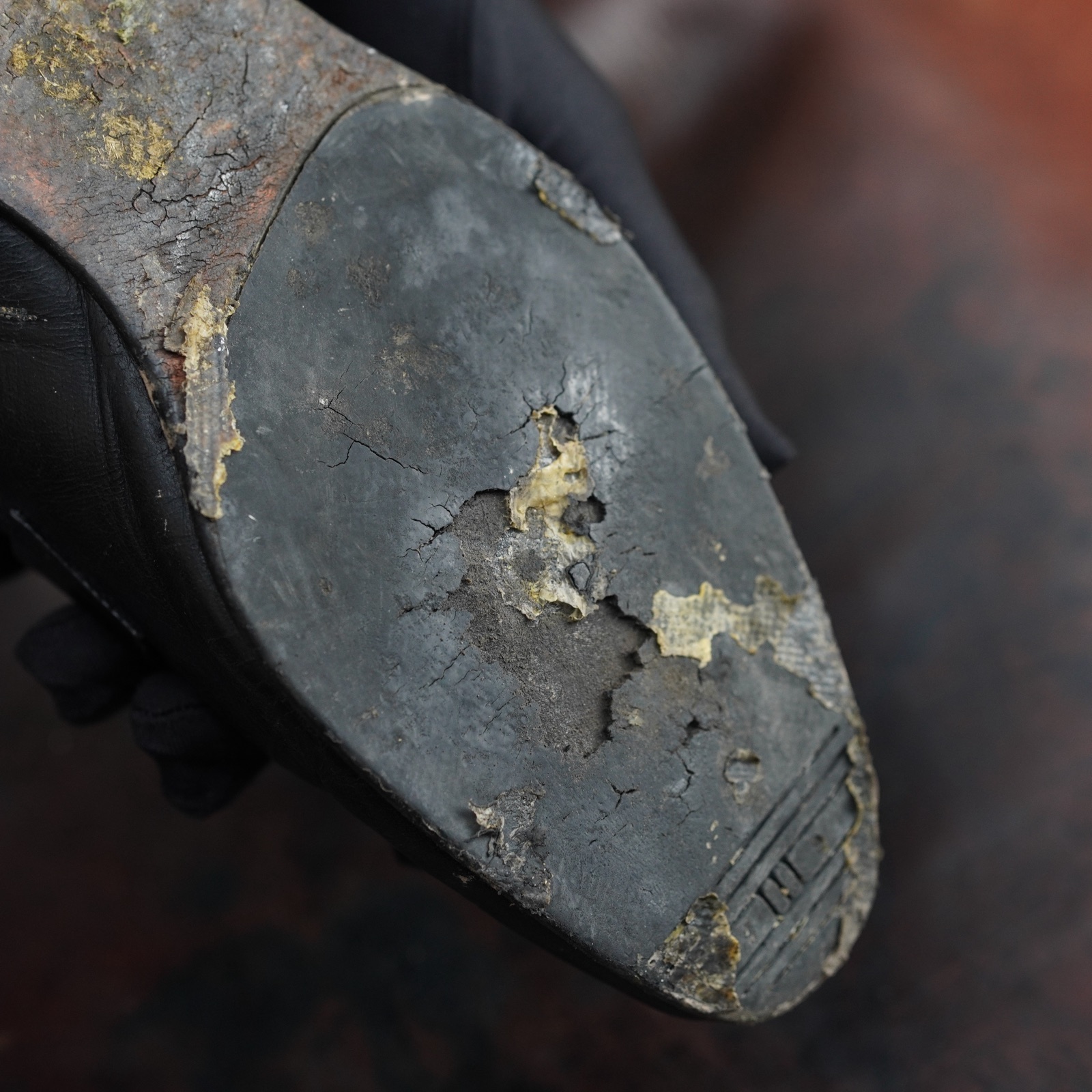
Designer soles crumbling in storage is hydrolysis of PU/EVA: ambient moisture slowly breaks the material down even unworn.
Read full article →
Yes — new shoes deserve protective soles, especially valuable leather- or rubber-soled pairs. The guard protects the original sole.
Read full article →
Buying secondhand designer shoes, check: authenticity, the soles (wear, crumbling, separation) and the leather (cracks, dryness, peeling finish).
Read full article →
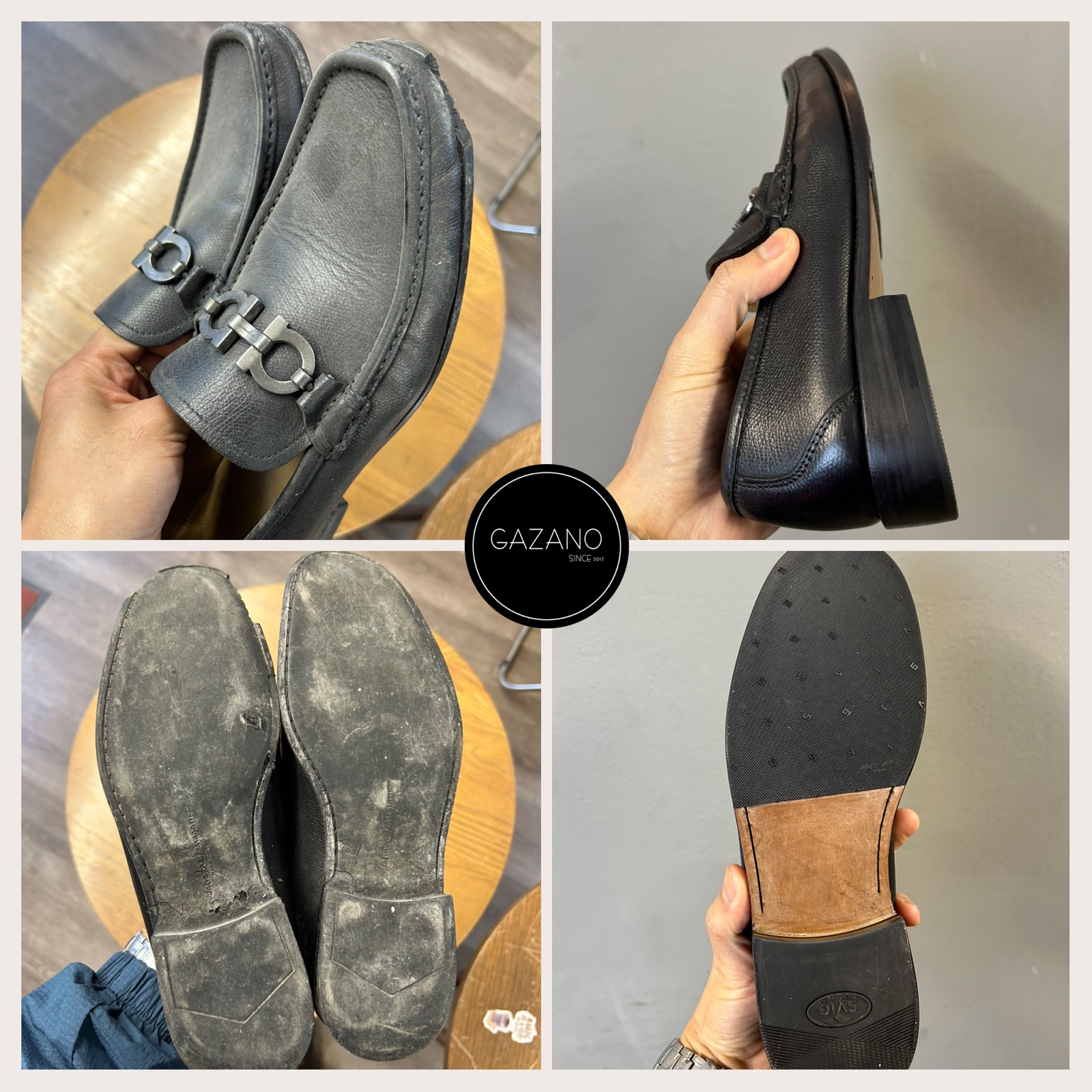
Badly damaged designer shoes can mostly be restored well right in Vietnam — far faster and cheaper than sending them to the maker.
Read full article →
Don't take a leather jacket to an ordinary dry cleaner. Water washing, industrial solvents and heat all damage leather.
Read full article →
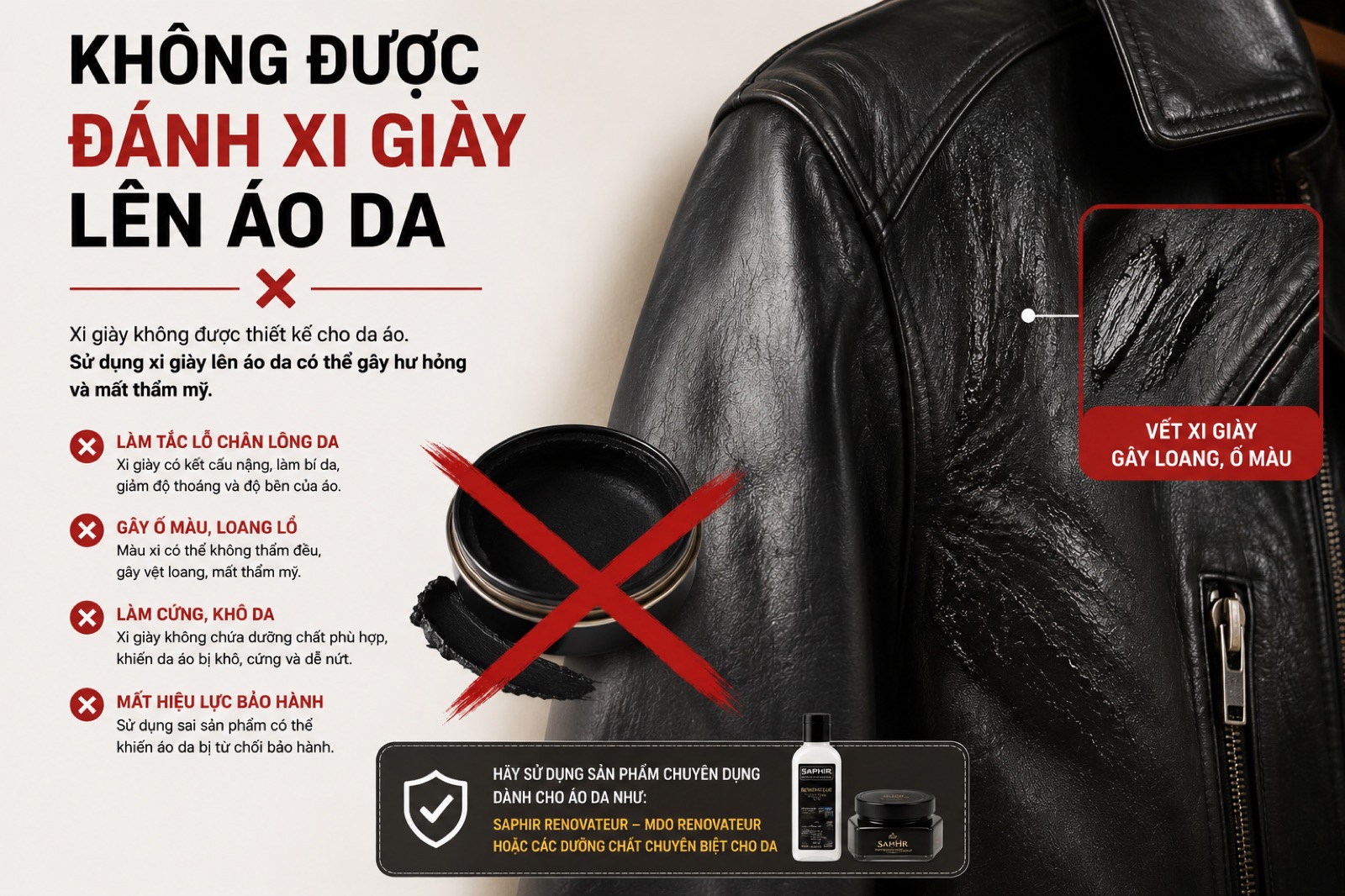
Never use shoe polish on a jacket — polish (especially wax and pigmented) is formulated for thick, hard-finished shoe leather.
Read full article →
Storing a jacket over summer: clean & condition first, hang on a wide-shouldered hanger (never a thin one), and keep it breathable.
Read full article →
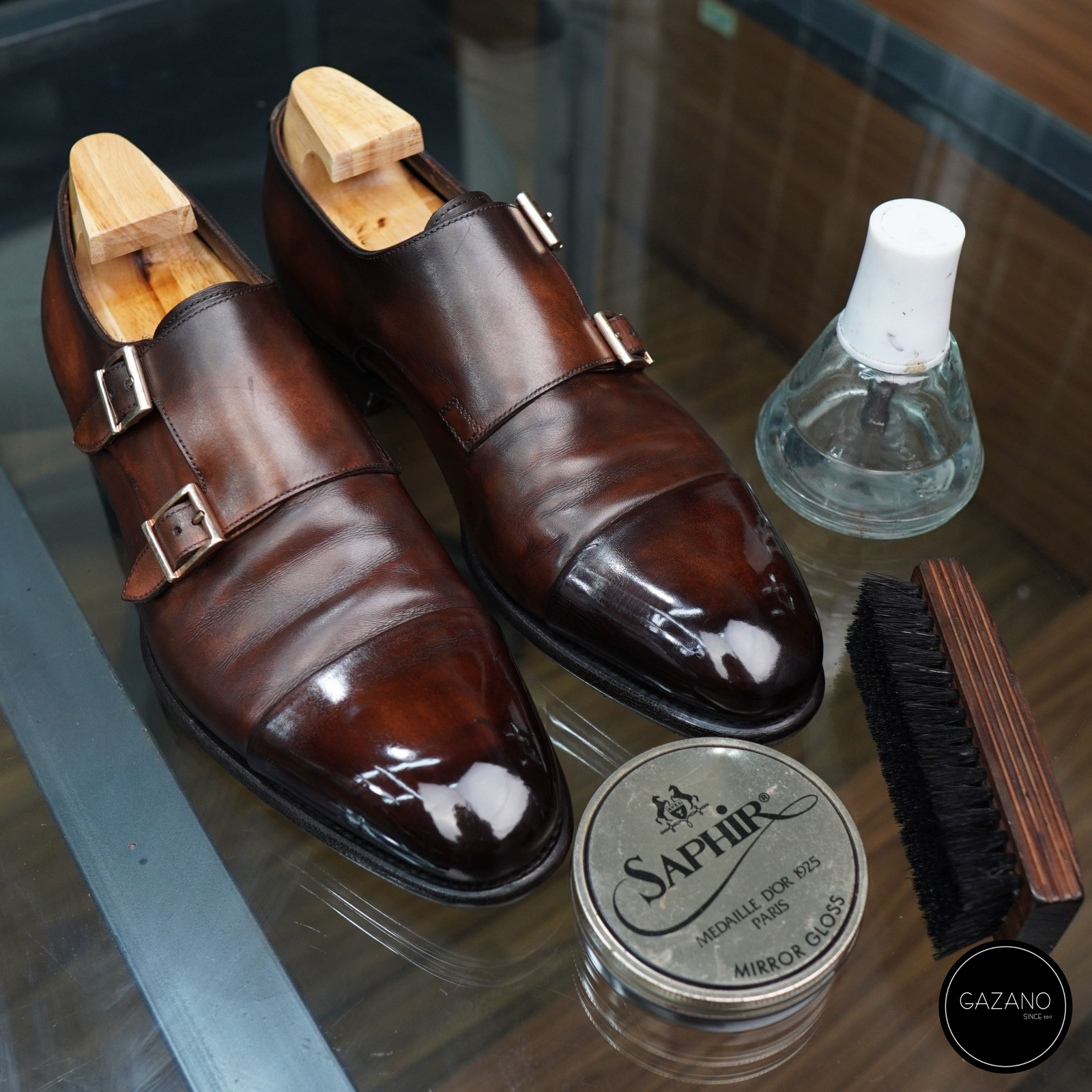
A mirror shine is the technique of building glass-like wax layers on the toe and heel — the flat areas of the shoe.
Read full article →
Shoes that won't shine usually come down to 5 mistakes: (1) old polish never stripped, so new polish won't grip; (2) applying too much...
Read full article →
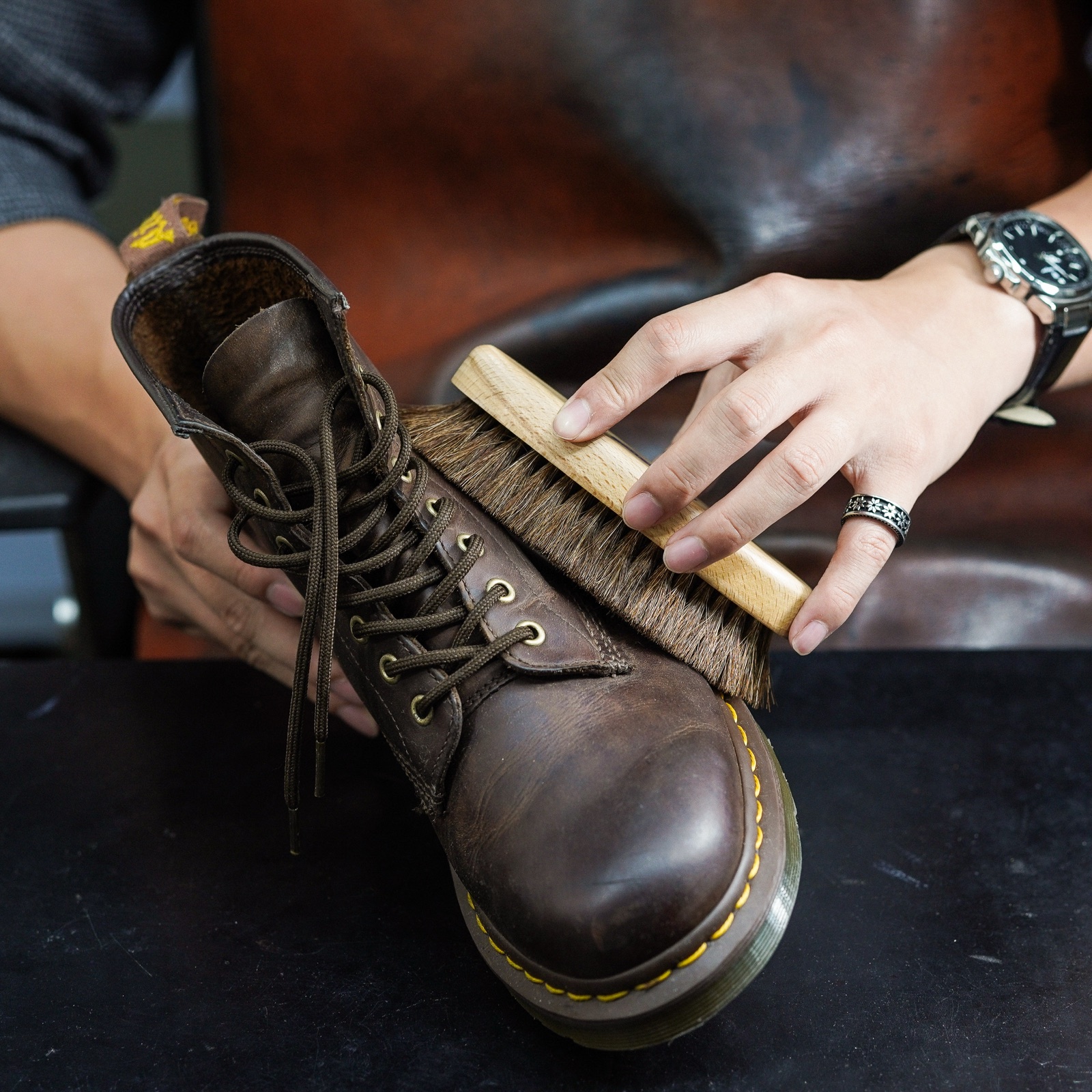
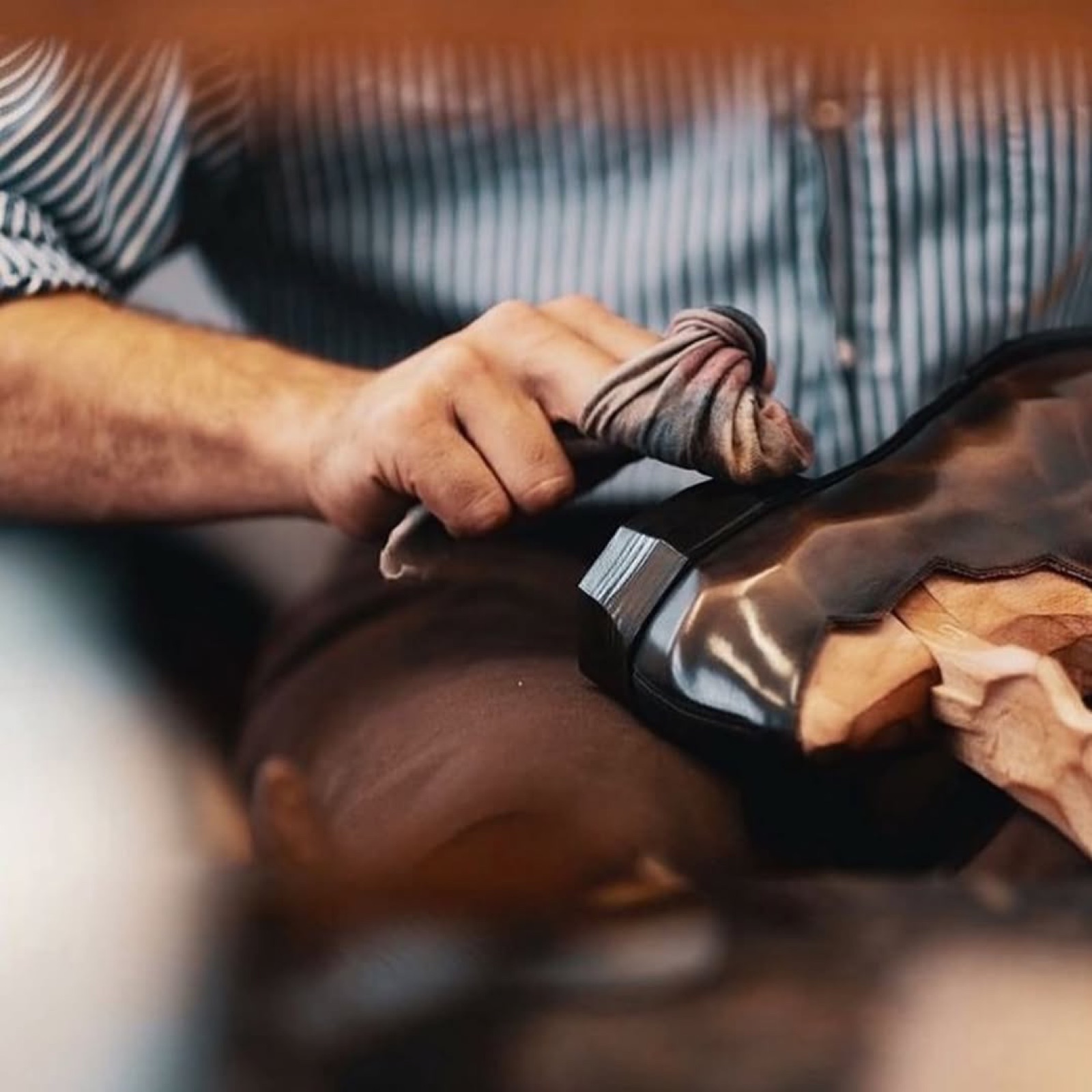
A proper shoeshine has 5 steps, in order: (1) brush off dust with a horsehair brush; (2) clean and strip old polish...
Read full article →
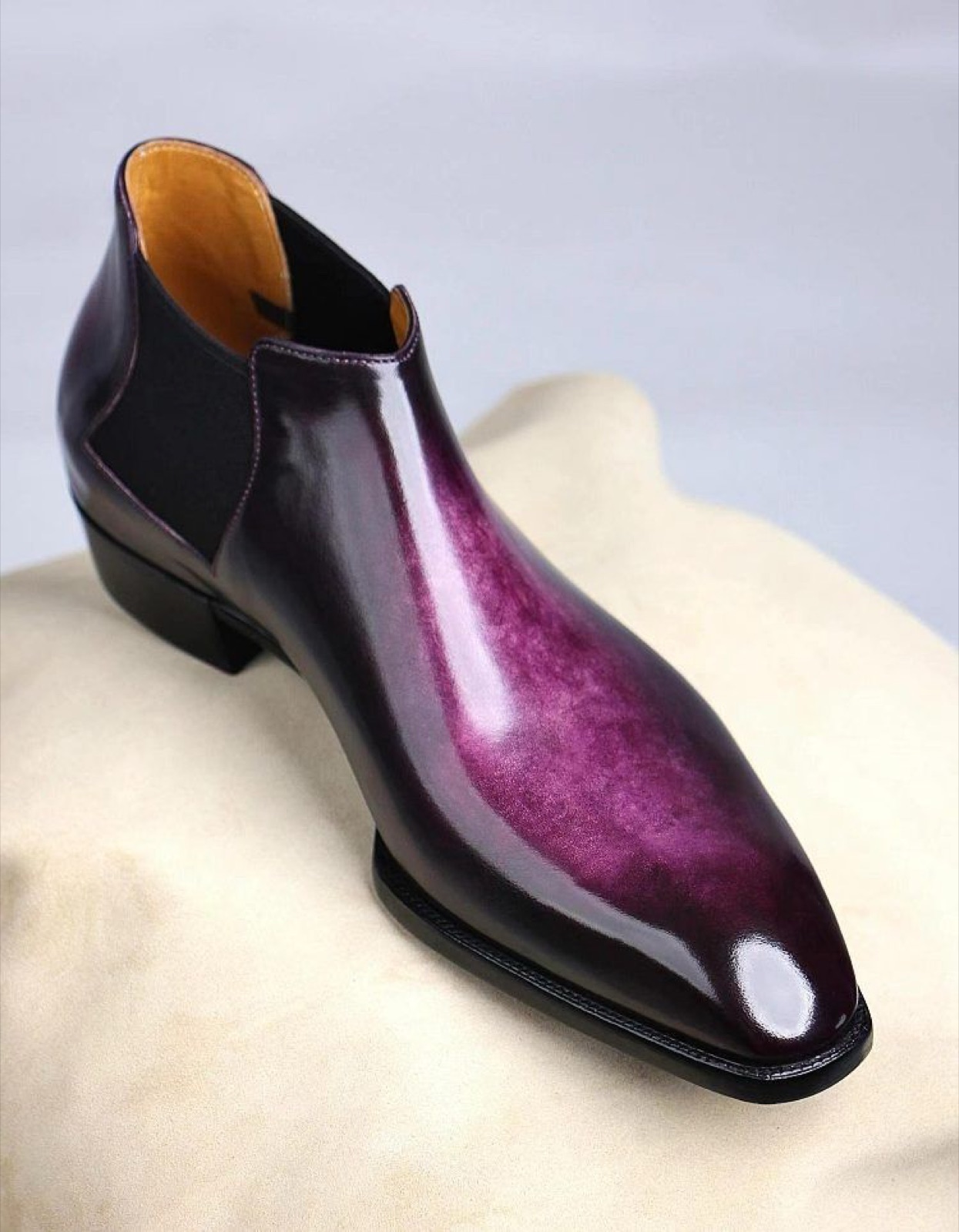
Patina is a layered, deep color effect hand-dyed onto raw leather (usually uncoated calf).
Read full article →
New shoes deserve light conditioning before the first wear, but don't need a shine yet. A thin coat of conditioner protects them.
Read full article →
A cracked mirror shine usually means the wax built up too thick and old, then cracked with flexing or temperature swings.
Read full article →
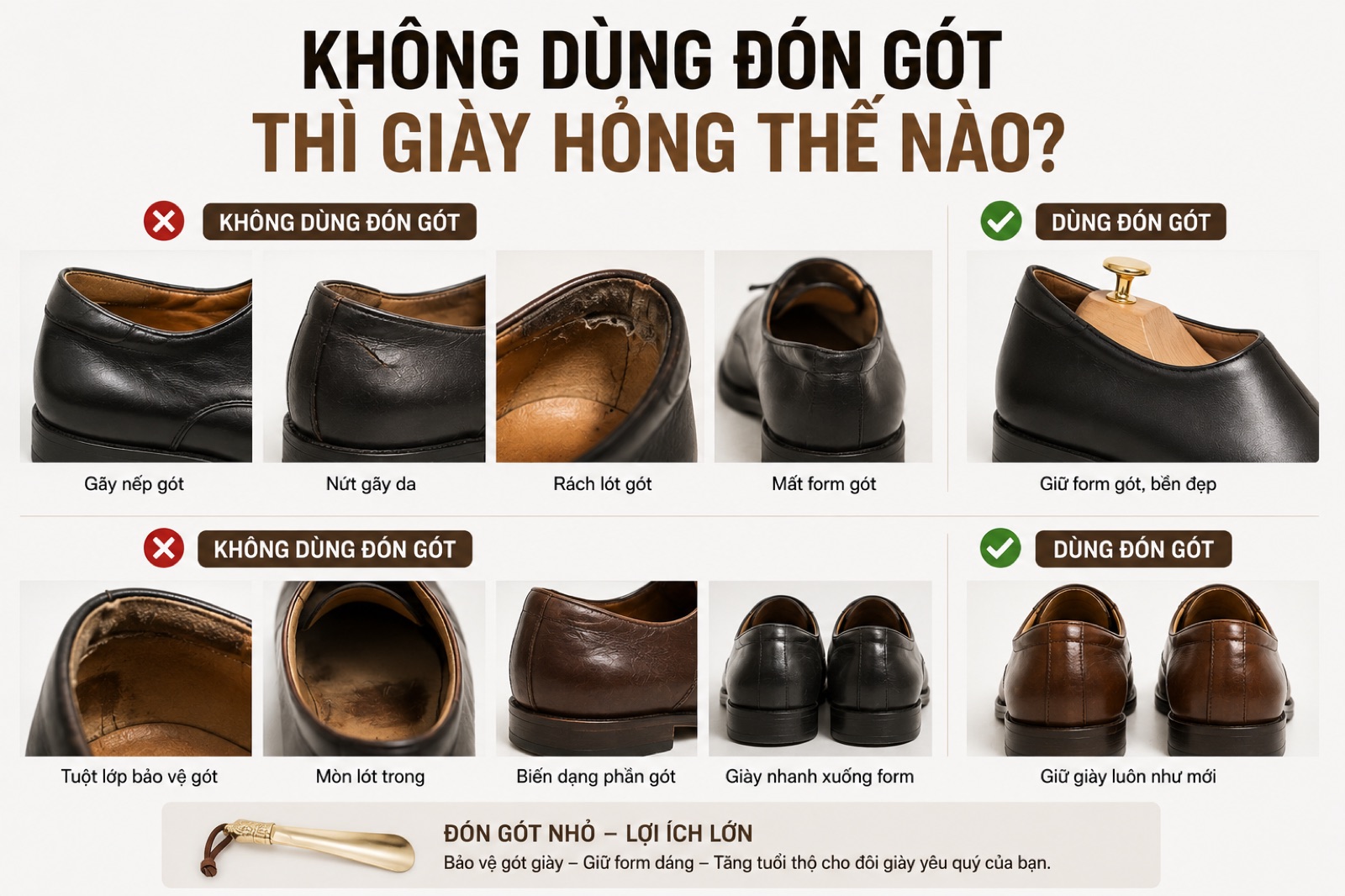
Skipping the shoe horn ruins the heel: every time you force your foot in, the counter folds — and over time it collapses.
Read full article →
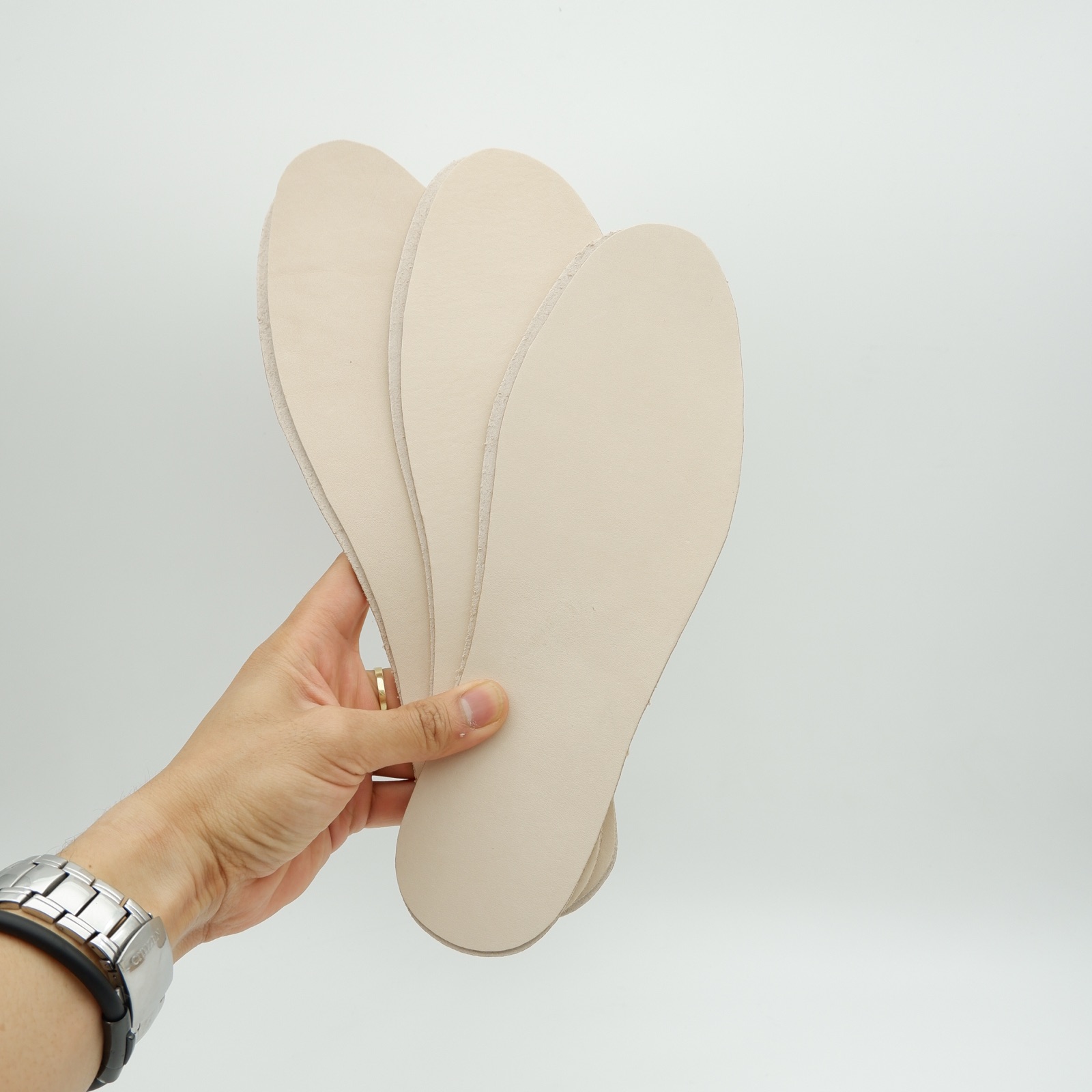
Leather and herbal insoles absorb sweat, deodorize, resist bacteria and cushion the foot — while protecting the shoe inside.
Read full article →
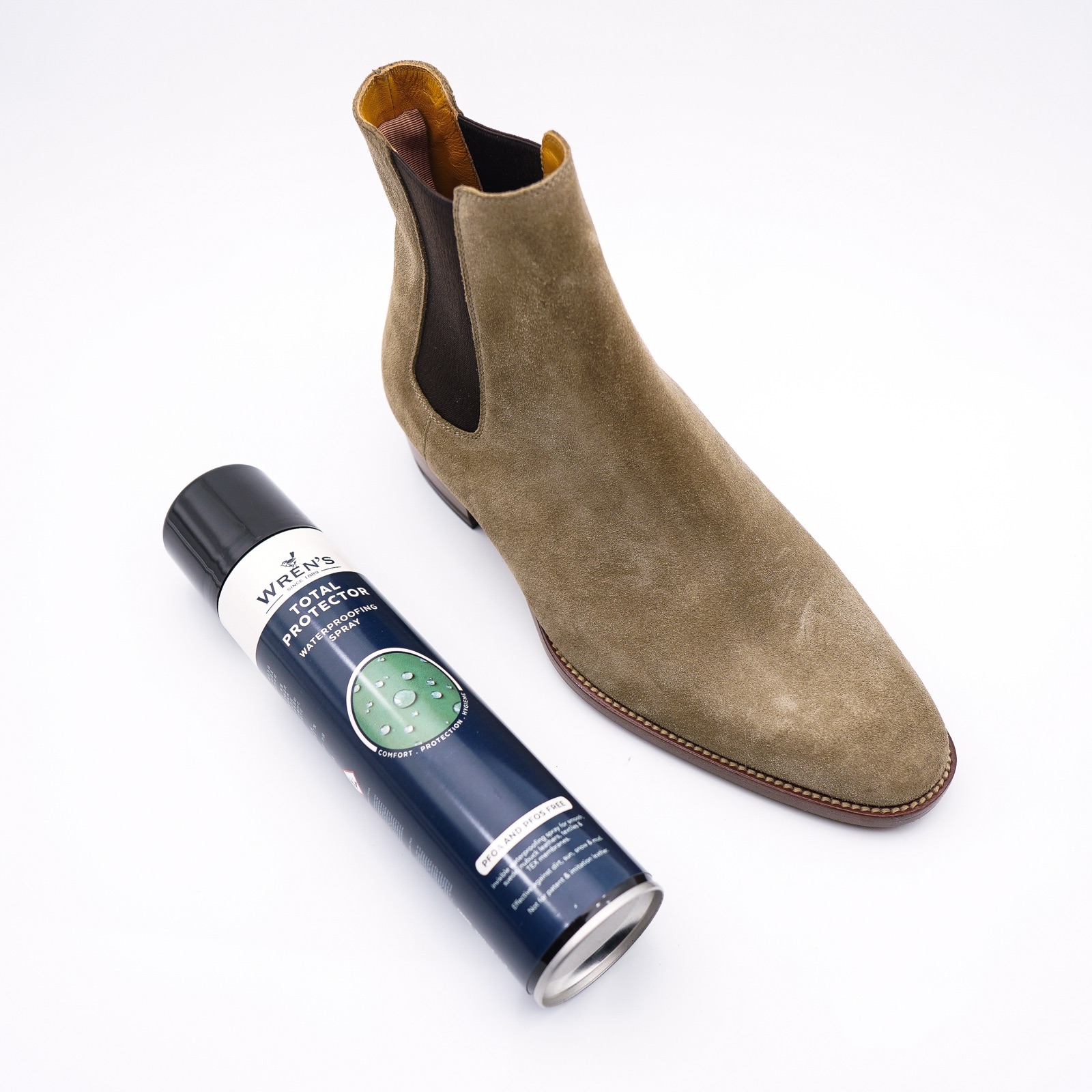
Nano waterproofing sprays DO work, and are most useful on suede/nubuck and fabric sneakers — forming a water-repellent film.
Read full article →
The right way to store shoes: a breathable dustbag with cedar shoetrees, on an airy shelf or cabinet.
Read full article →
Gazano's home pickup covers Hanoi: book via the form, Zalo or hotline, and staff come to your door.
Read full article →
Long-term storage means entrusting shoes, bags and jackets to Gazano's temperature-controlled facility (15–25°C).
Read full article →
In hot, rainy Vietnam, rubber soles are the practical daily choice: grippy, waterproof and slip-resistant.
Read full article →
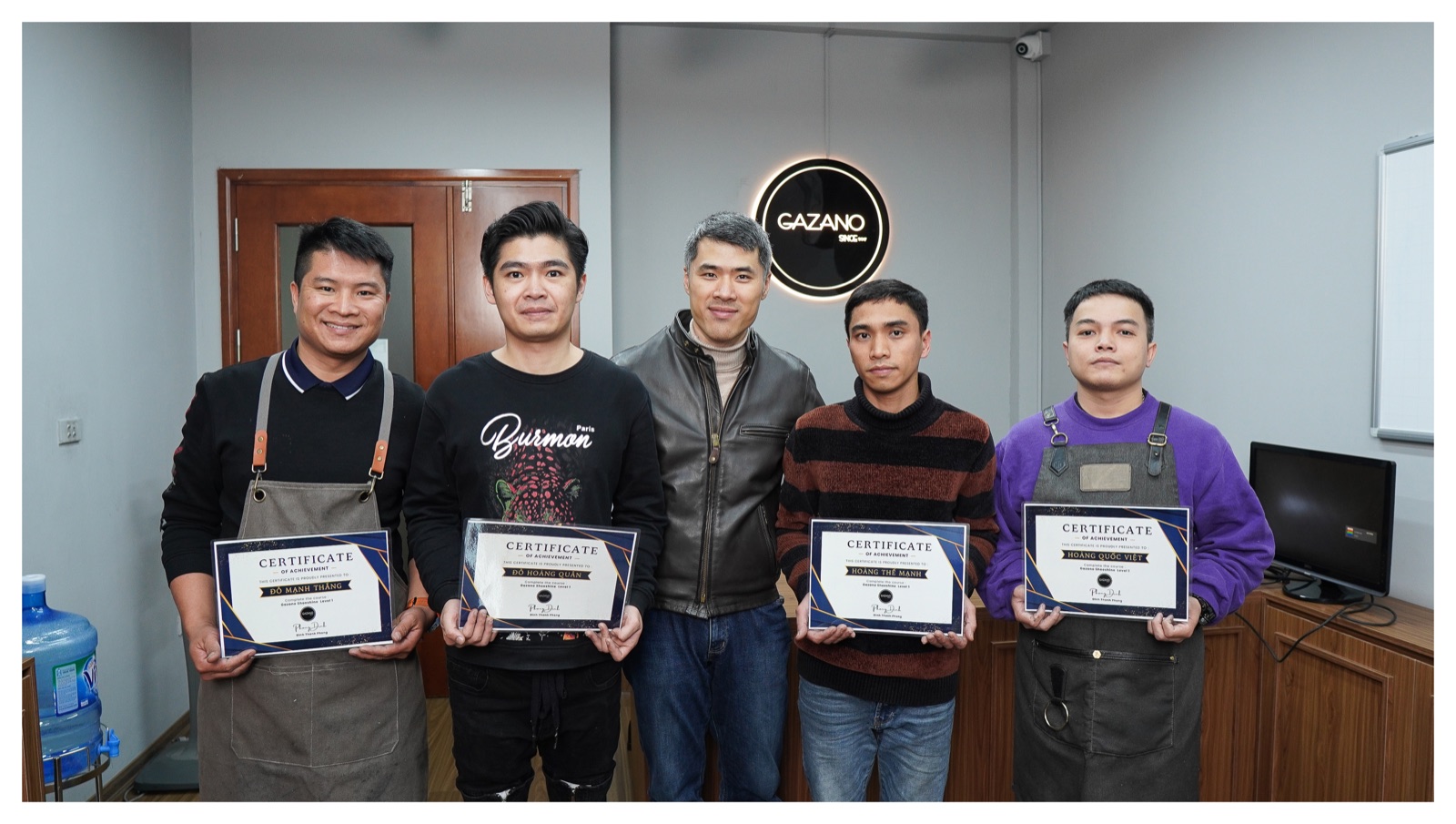
You can learn shoeshine and leather care through workshops and training at professional shops (like Gazano).
Read full article →
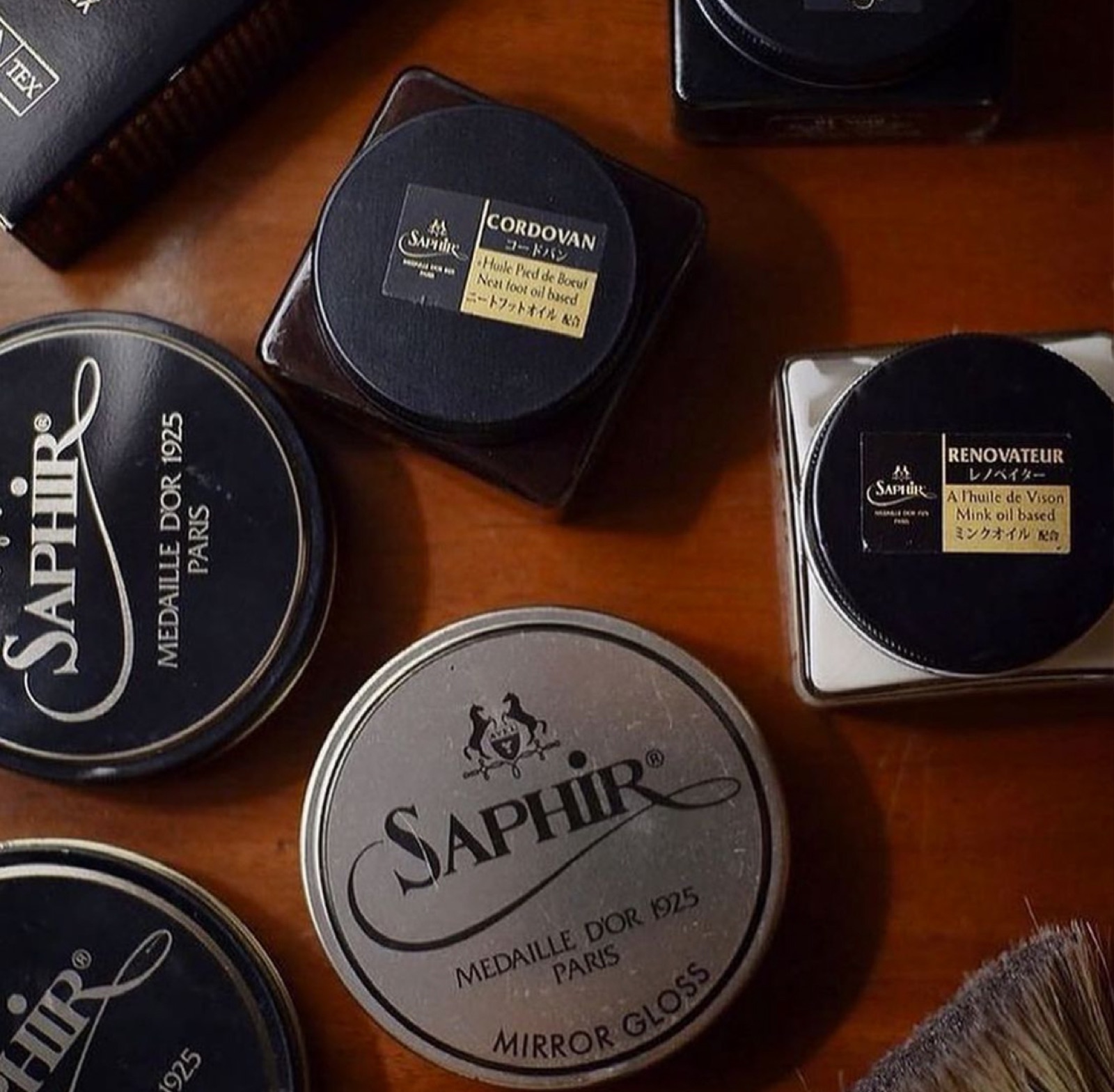
Saphir Médaille d'Or (MDO) is Saphir's top line: more mink oil and lanolin, deeper absorption, no harsh solvents.
Read full article →
Yes — over-conditioning harms shoes too. Constant layering of cream and polish leaves the leather oil-saturated and gummy.
Read full article →
Designer bags (LV, Gucci...) in Vietnam's humid climate suffer MOULD first (white/black spots, musty smell), then sticky finishes.
Read full article →
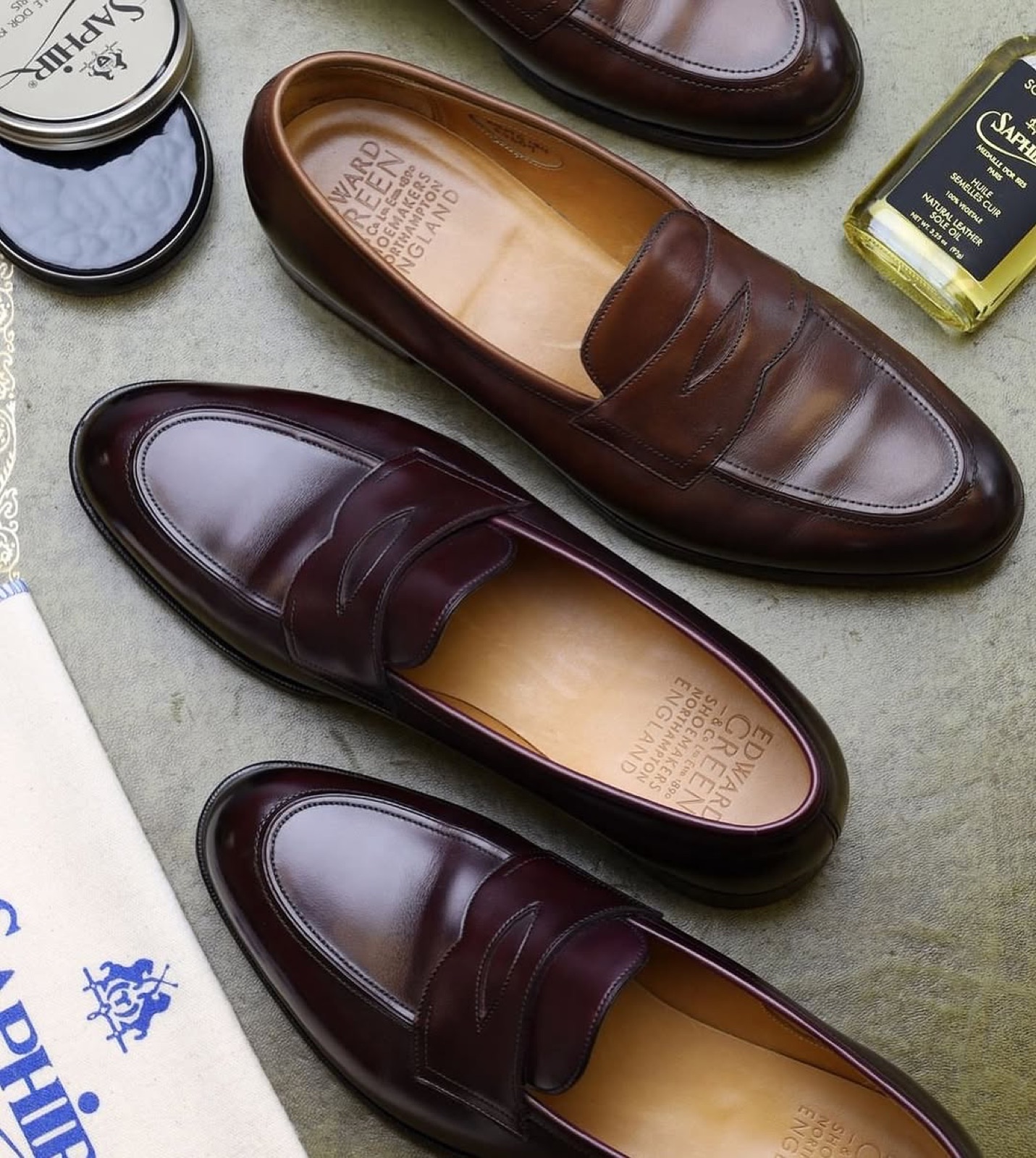
Northampton English shoes (Church's, Crockett & Jones, Edward Green, John Lobb...) stand on a centuries-old making tradition.
Read full article →
Secondhand and thrifted shoes ARE worth restoring if they're quality leather with sound structure (stitched, resolable soles).
Read full article →
Street shoeshine and professional care differ in technique, products and goals. The street version is quick.
Read full article →
Combo 32 is the value MOULD-cleaning set (1,130,000₫) — clearing mould, stains and deep grime from shoes.
Read full article →
Shoe shops, hotels and fashion brands can train their staff at Gazano through custom programs.
Read full article →
The basics of pairing dress shoes: (1) shoe color harmonizes with trousers and belt — shoes and belt should match.
Read full article →
4 rules of suede care — and why cream polish, wax and lotion are strictly off-limits.
Read full article →
The deep-care process: cleaning, conditioning, mould treatment, color restoration — and how it differs from a regular shine.
Read full article →
3 criteria: skill, genuine products, transparent pricing. Gazano since 2017, 2 Hanoi locations.
Read full article →
Good shoes last 10–20 years and cost less per year — a repair mindset over a replace mindset.
Read full article →
Patent doesn't take polish like regular leather; keep the gloss with dedicated solutions, restore when it peels.
Read full article →
What a designer-bag spa includes and why Vietnam's humid climate demands it regularly. Bag cleaning from 600k.
Read full article →
Full color range + patina; alcohol-based Saphir dyes soak deeper and last longer than surface paint. From 1 million ₫.
Read full article →
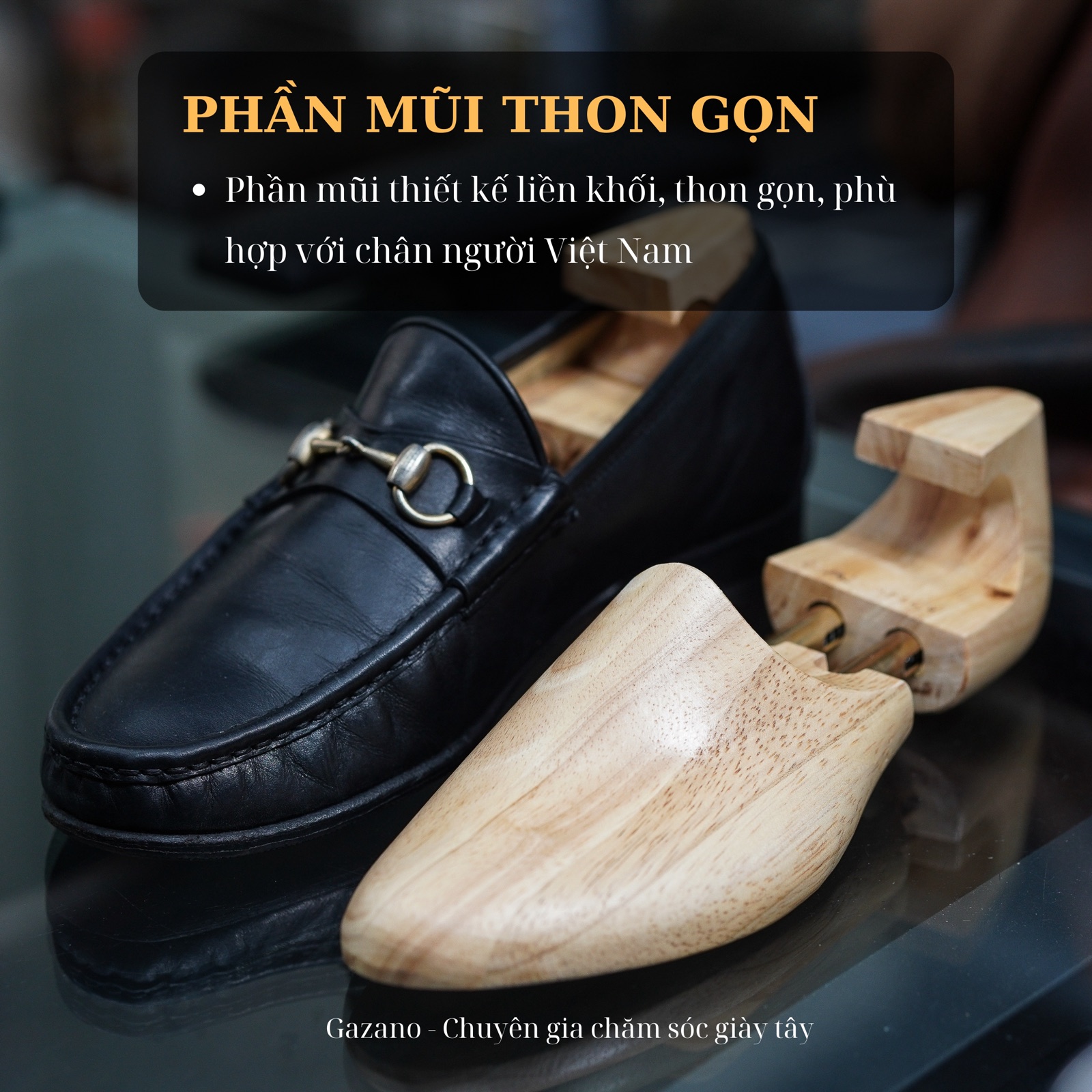
Holds shape, absorbs moisture, reduces creasing; cedar beats plastic — and how to use them right.
Read full article →
Never wear one pair daily; rotate 2–3 pairs with ≥24h rest to release moisture.
Read full article →
No heat or hard rubbing; air-dry, stuff with paper, brush after — and waterproof beforehand.
Read full article →
A warning on counterfeits; buy through official channels — gazano.vn & our 2 stores.
Read full article →
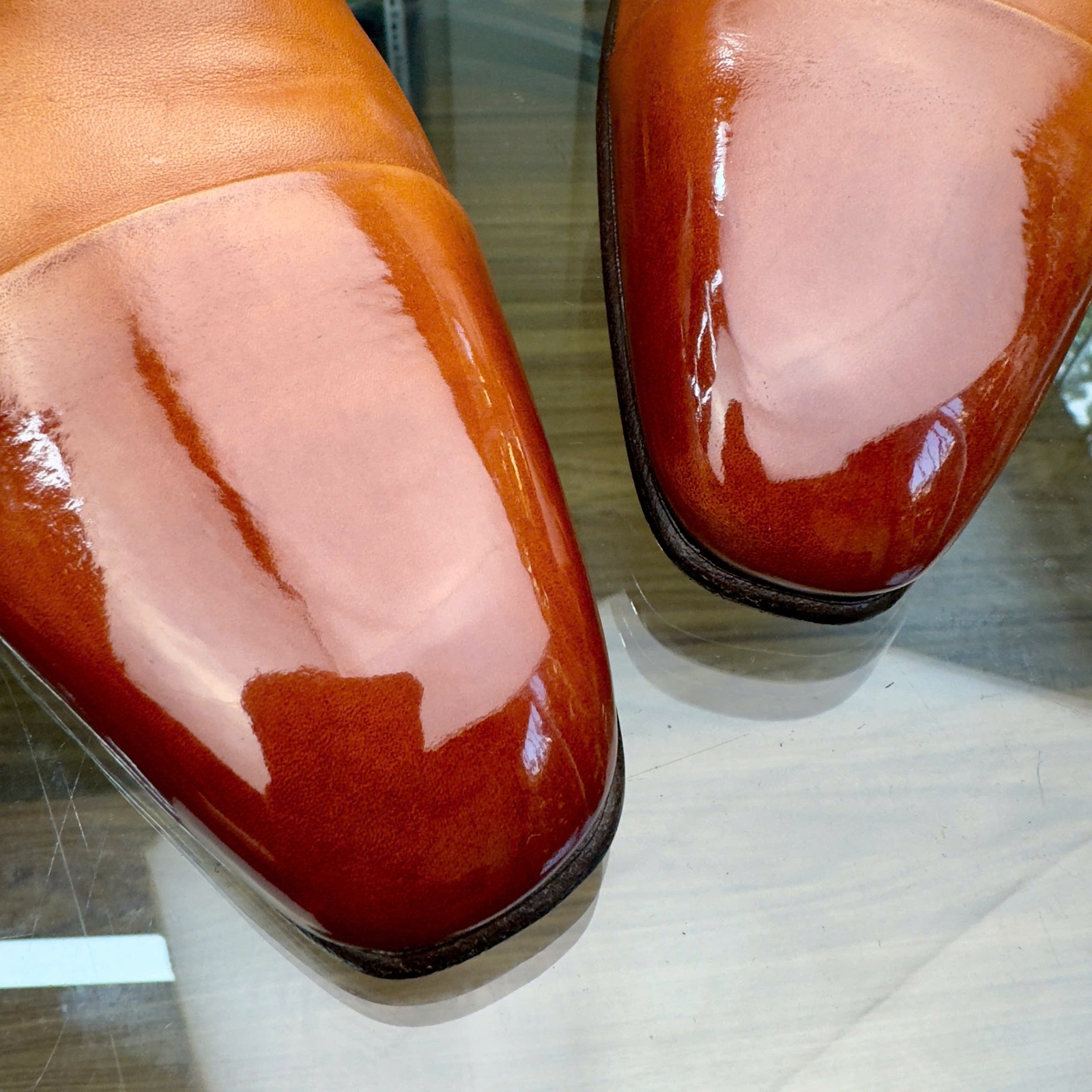
Coating peel versus the leather itself peeling — which cases are restorable and what it really costs (bags from 600k).
Read full article →
When cream polish is enough, and when professional alcohol-based dyeing is needed; recoloring from 1 million ₫.
Read full article →
Surface scuffs versus deep fiber tears — home tricks to fade them, and when to see a pro.
Read full article →
Deep moisturizing softens leather — which cases can be saved, and when professional restoration is due.
Read full article →
Kill the odor source in the insole and lining and deodorize at the root, at home; deep cleaning from 300k.
Read full article →
4 resole/re-glue options, protective Vibram guards and real costs; sole service from 800k.
Read full article →
The proper polish schedule by wear: every 4–6 weeks for daily shoes — plus the signs you need one now.
Read full article →
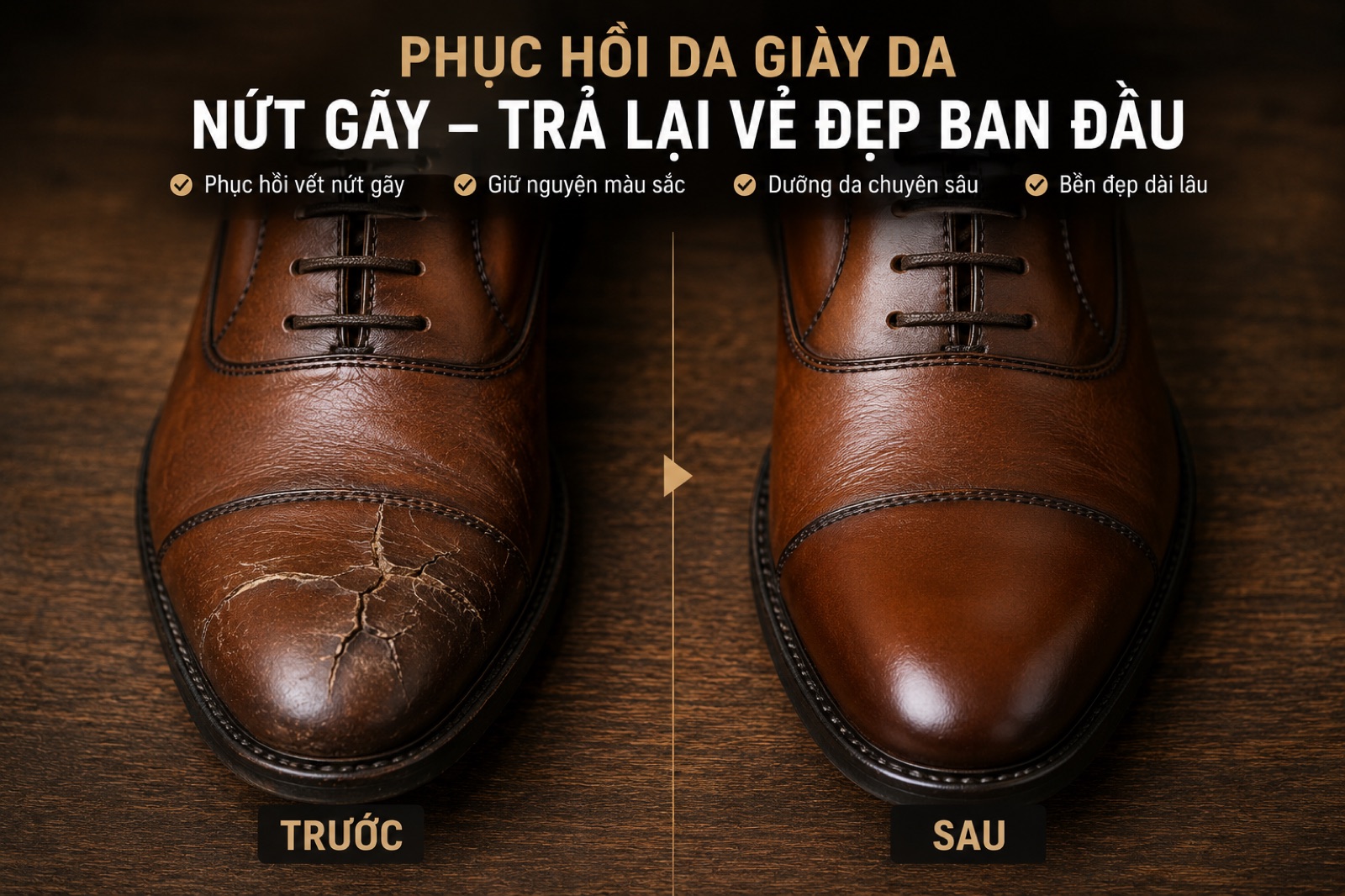
3 grades of leather cracking — which you can treat yourself, which need a pro, and real restoration costs.
Read full article →
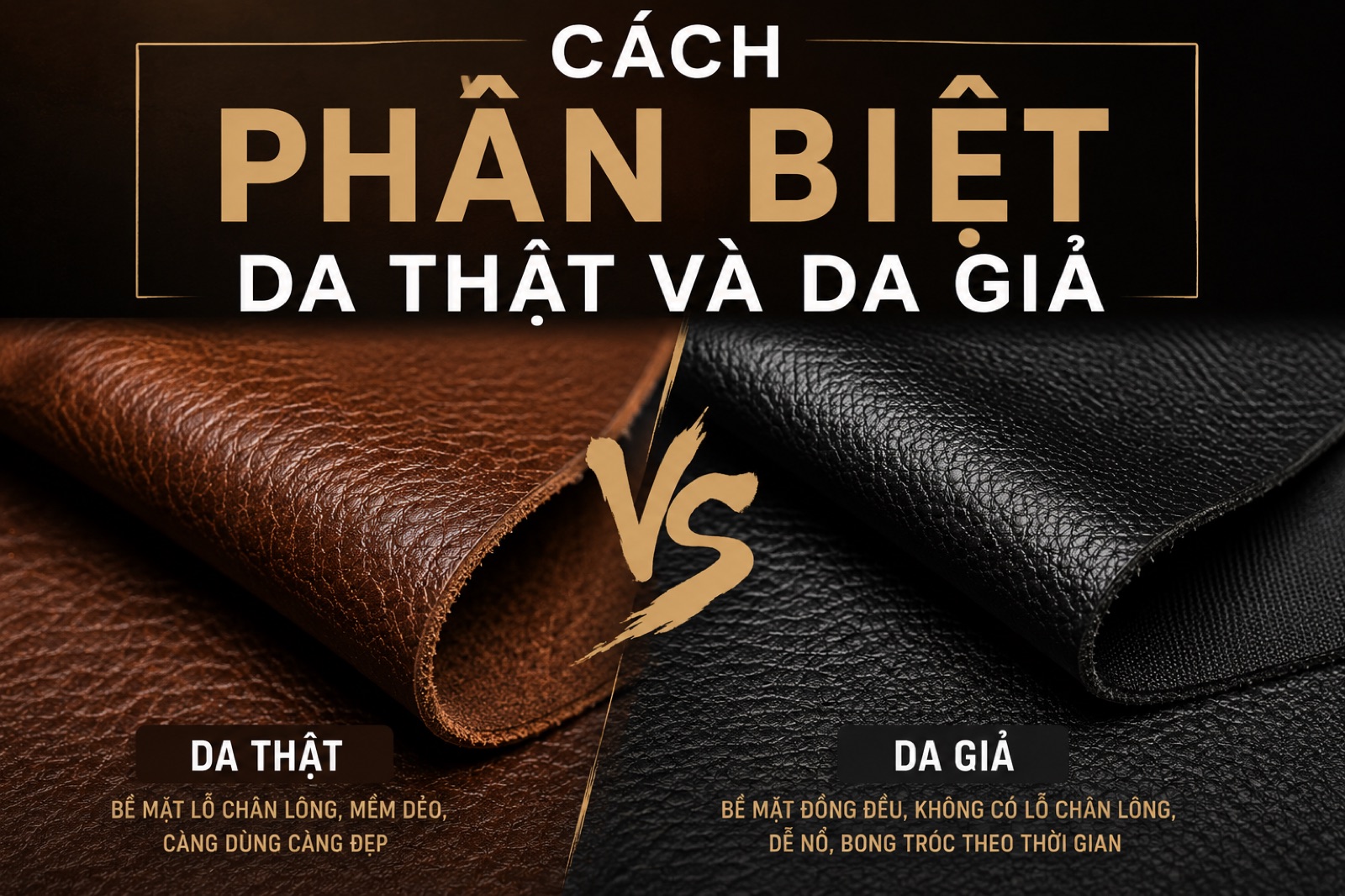
6 on-the-spot tests: grain, pores, spring, water absorption, smell, cross-section — plus the "genuine leather" trap.
Read full article →
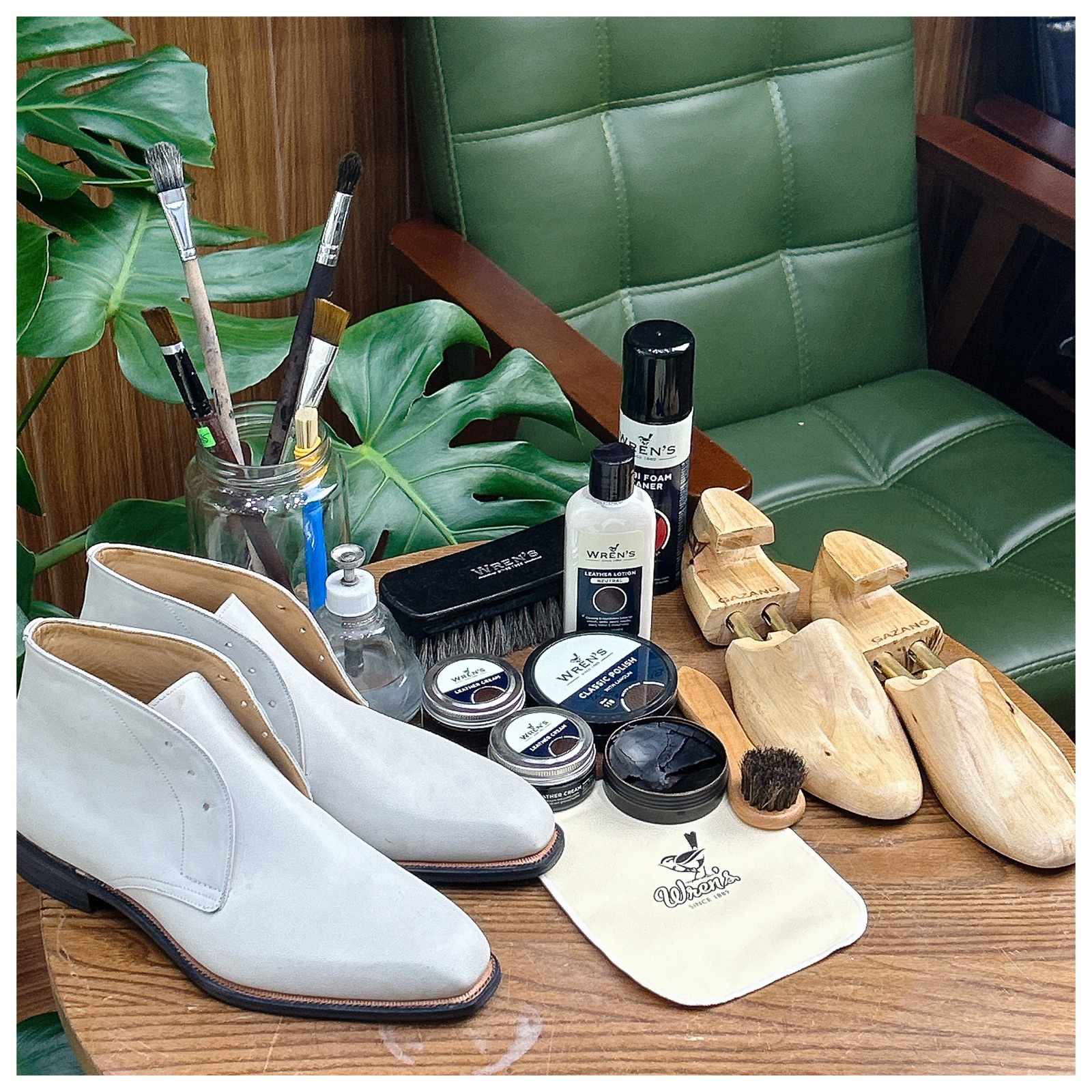
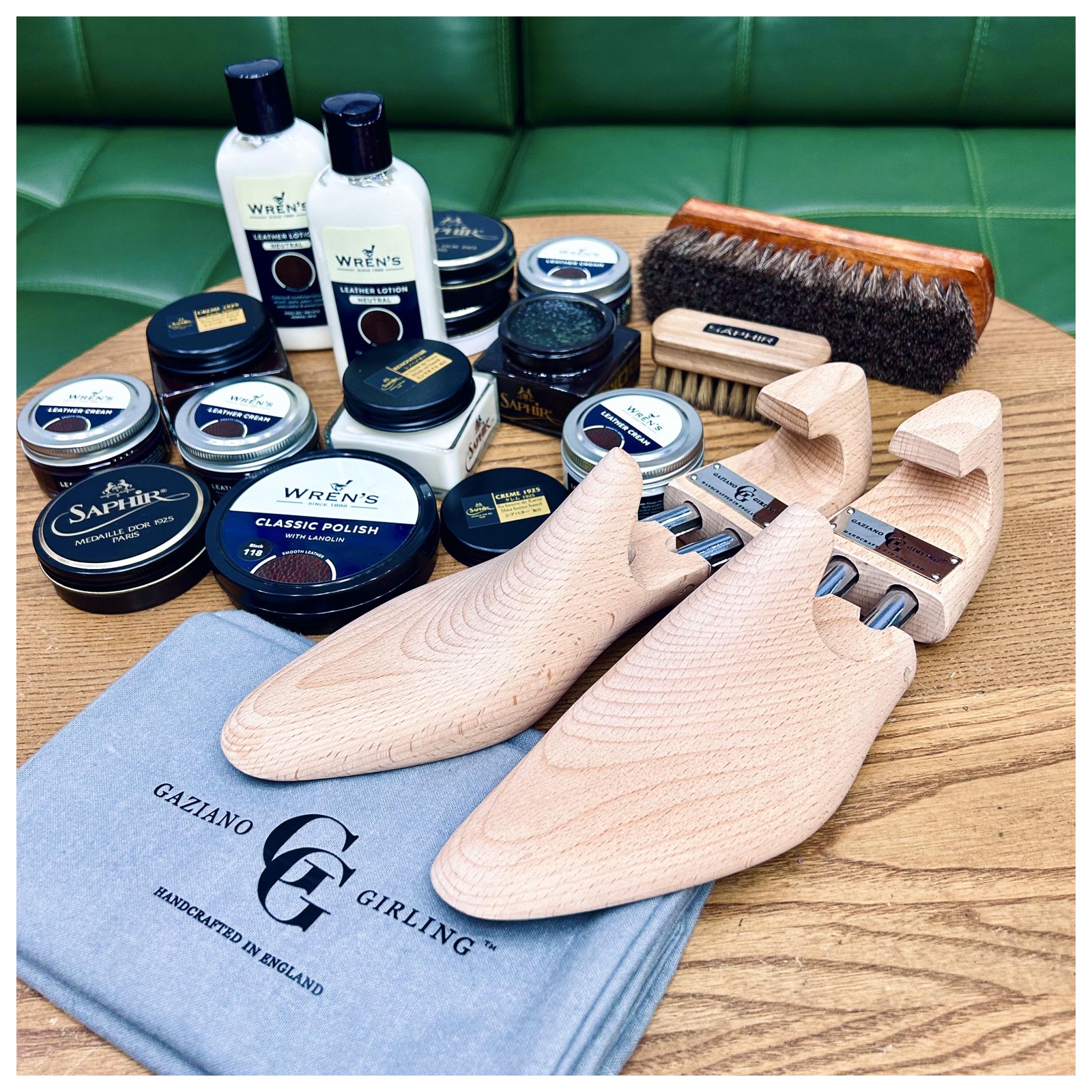
A 4-item starter kit for ~500k, the proper kit ~1.5 million — what each does and what to buy first.
Read full article →
2026 prices: cleaning from 300k, sole guards from 800k, color restoration from 1 million — and how exact quotes work.
Read full article →
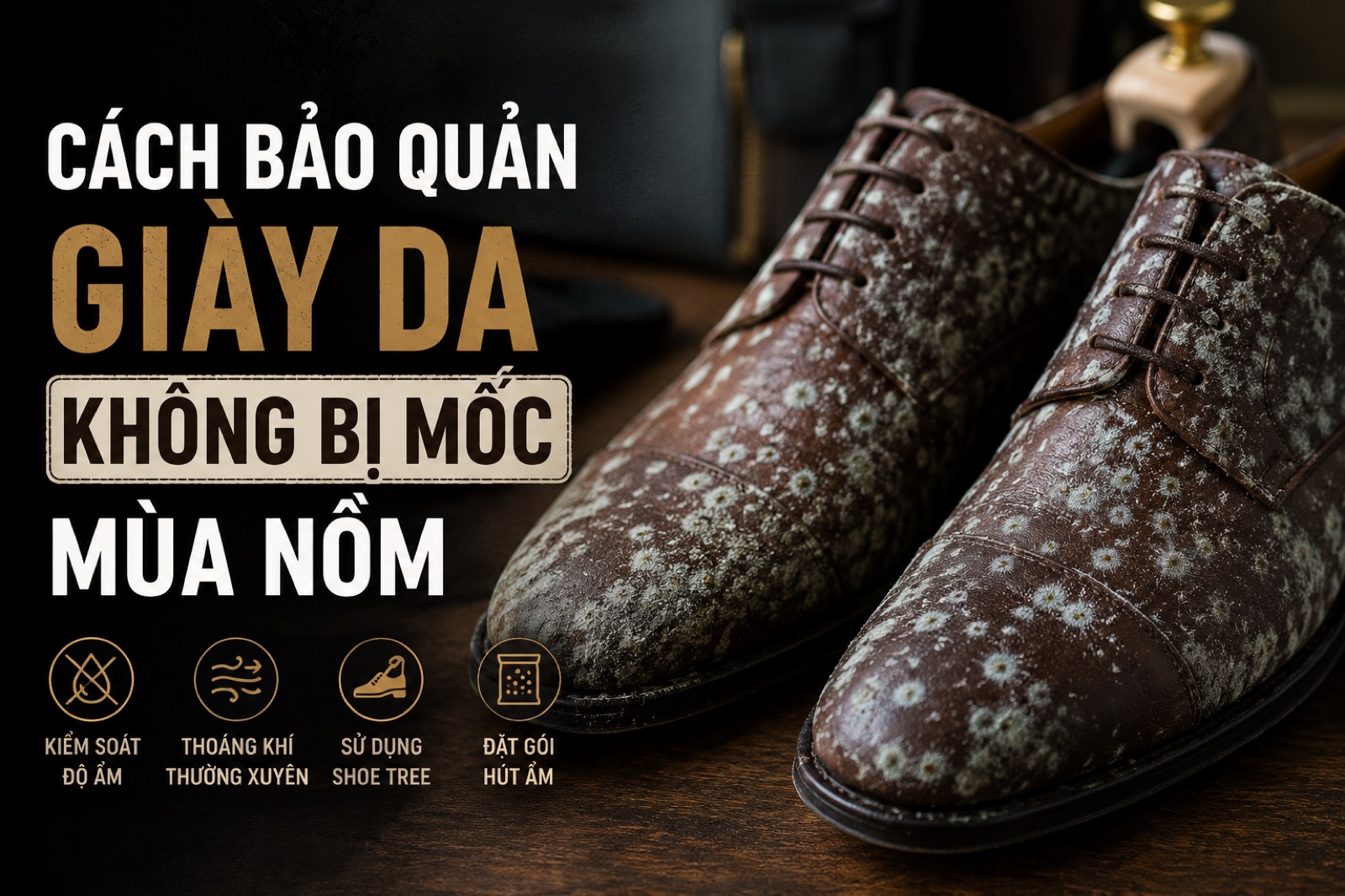
▶ VideoThe causes, the correct cleaning process, and how to keep mould from returning to leather shoes.
Read full article →
How to whiten sneaker soles properly — avoiding the mistakes that ruin shoes for good.
Read full article →
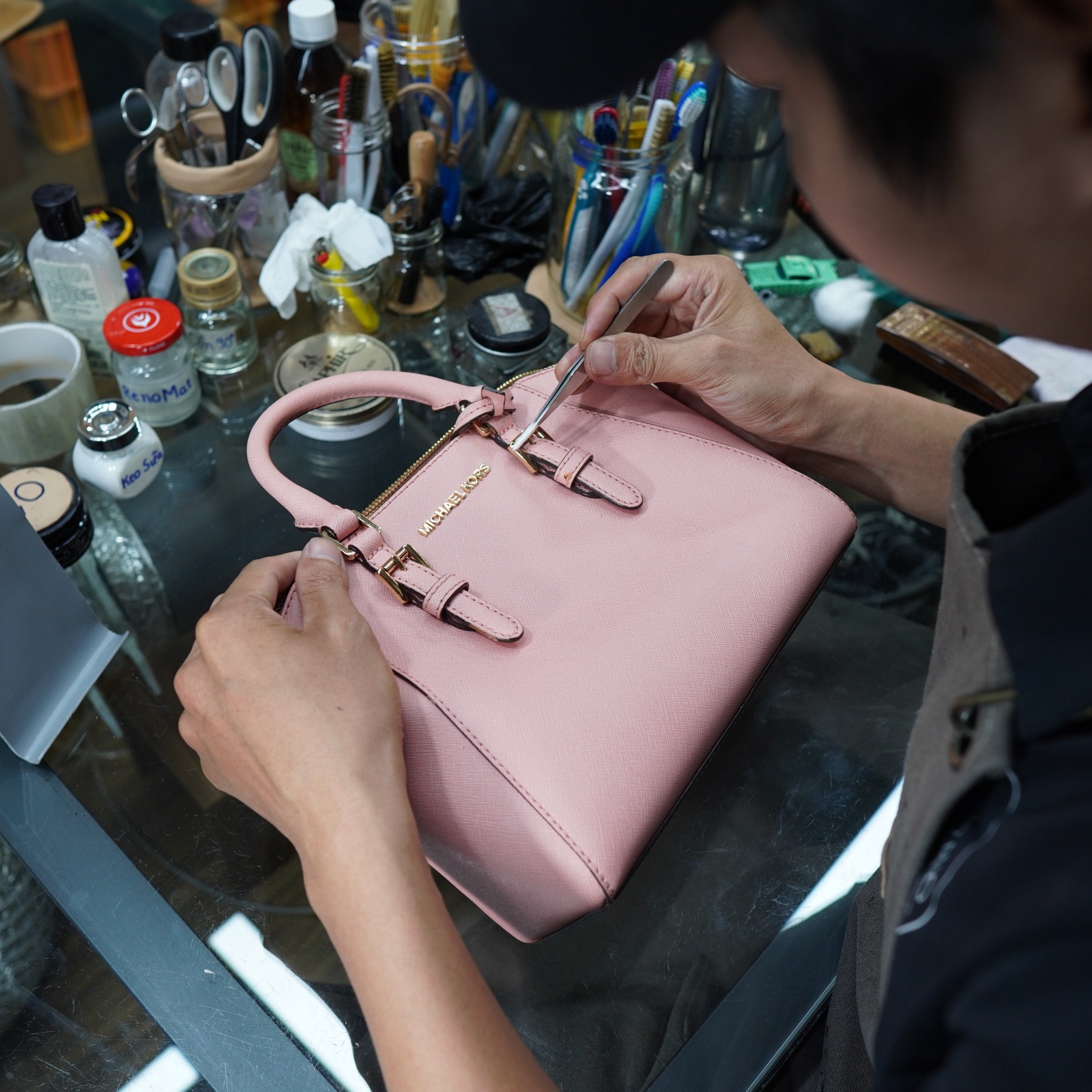
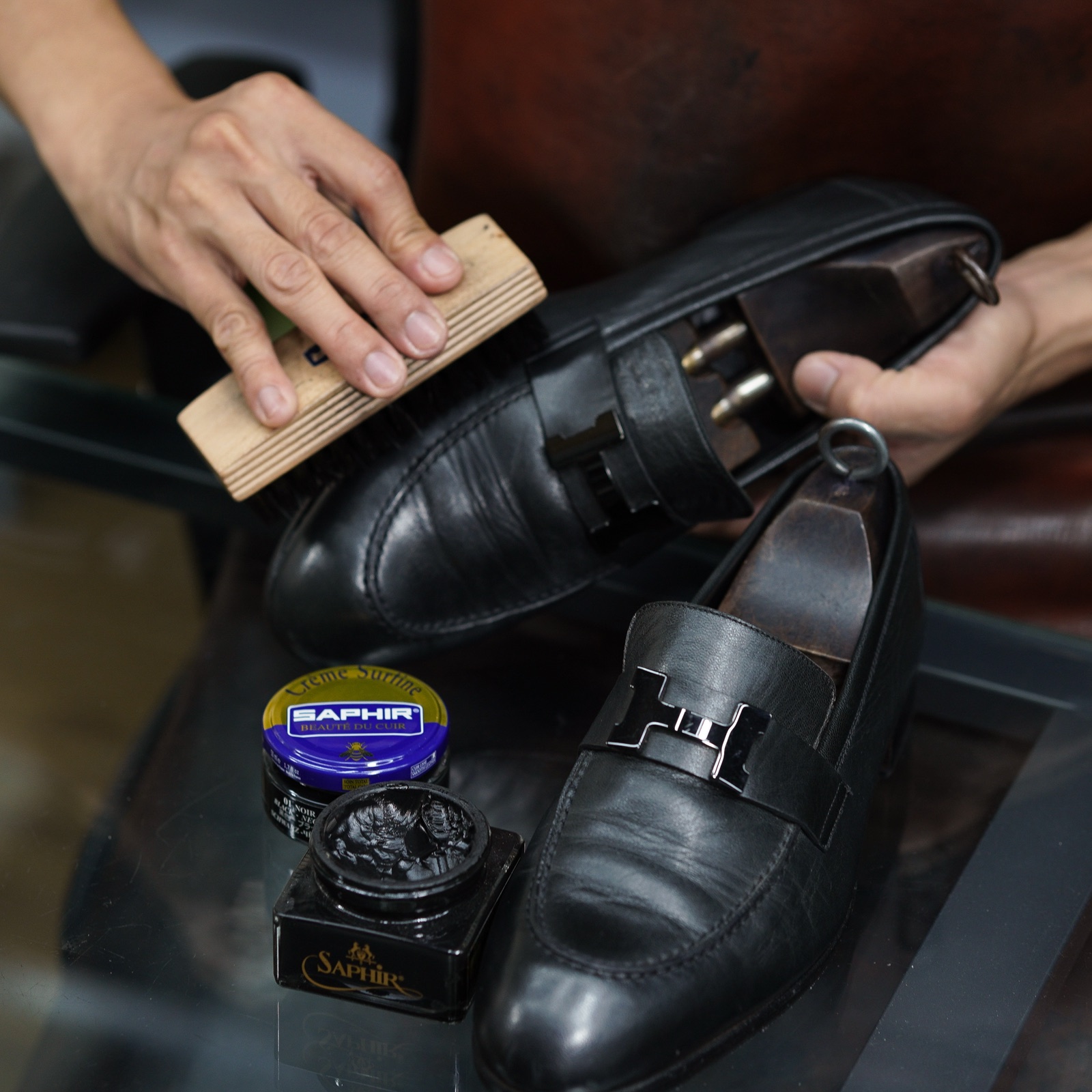
The steps of at-home shoe care with a brush, polish and Saphir Médaille d'Or conditioner.
Read full article →
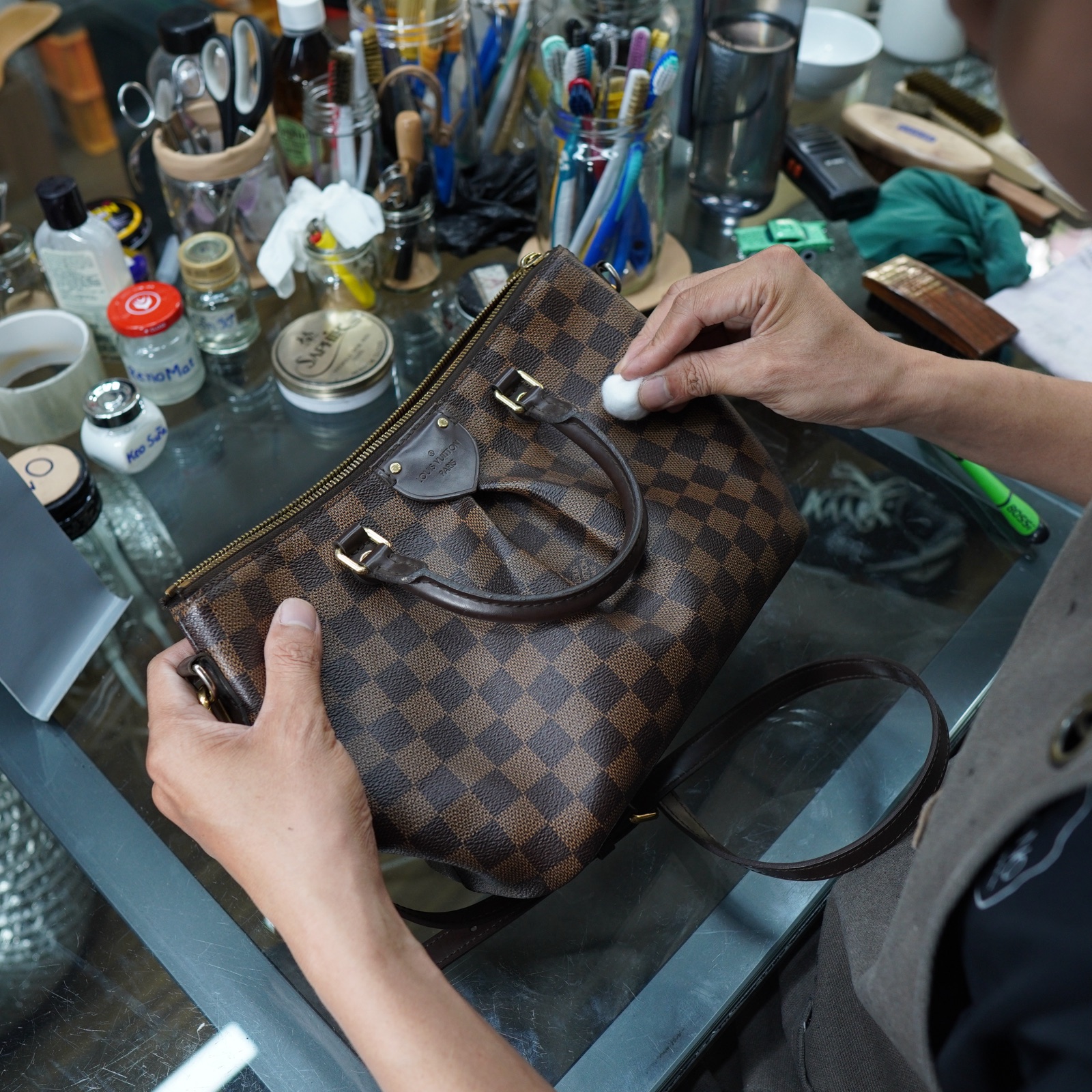
Choosing the right polish for each leather — polished, nubuck, suede, pebble-grain — and wax versus cream.
Read full article →
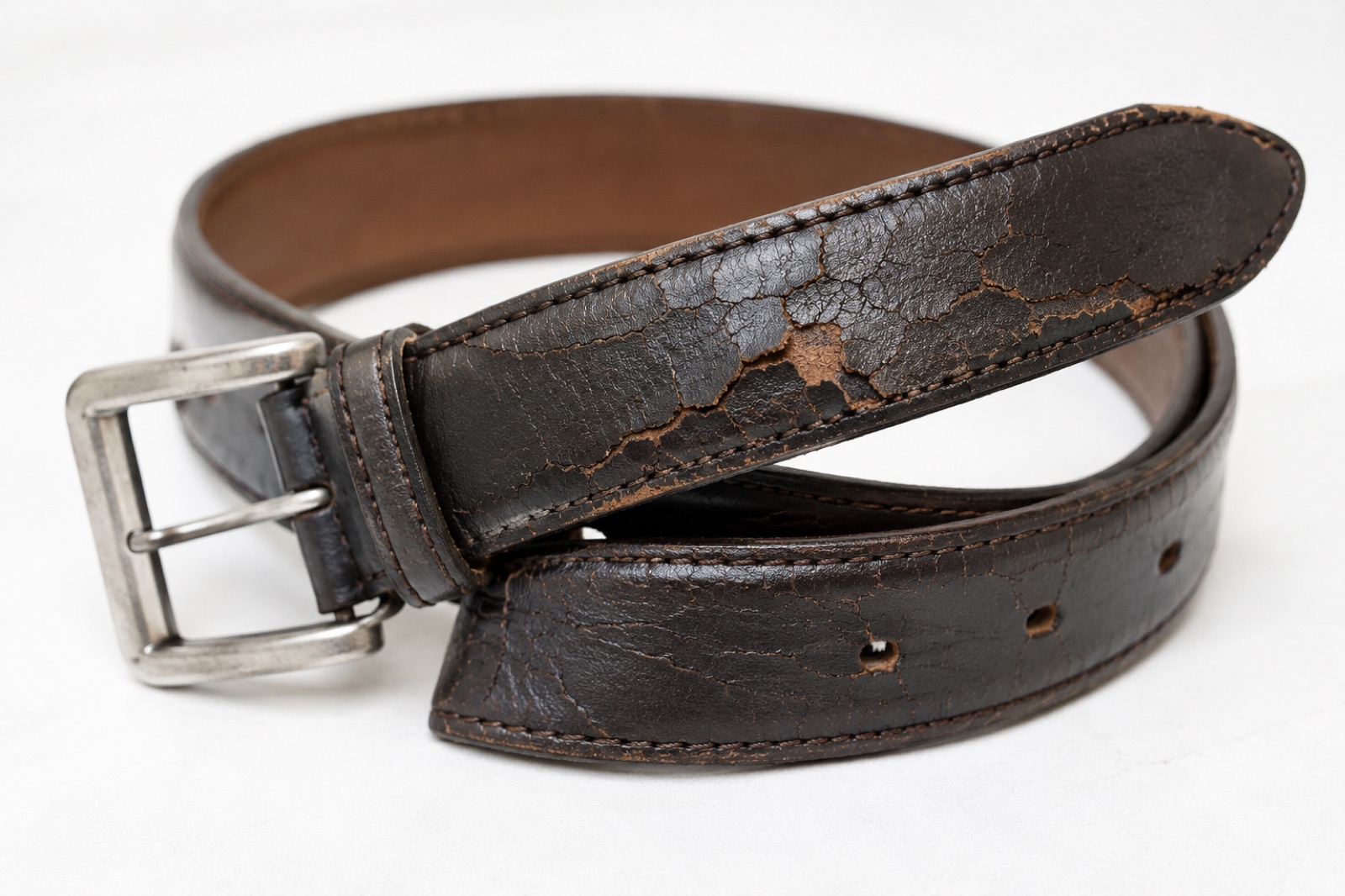
How to store shoes and leather in Hanoi's humid climate — avoiding mould, dryness and fading.
Read full article →
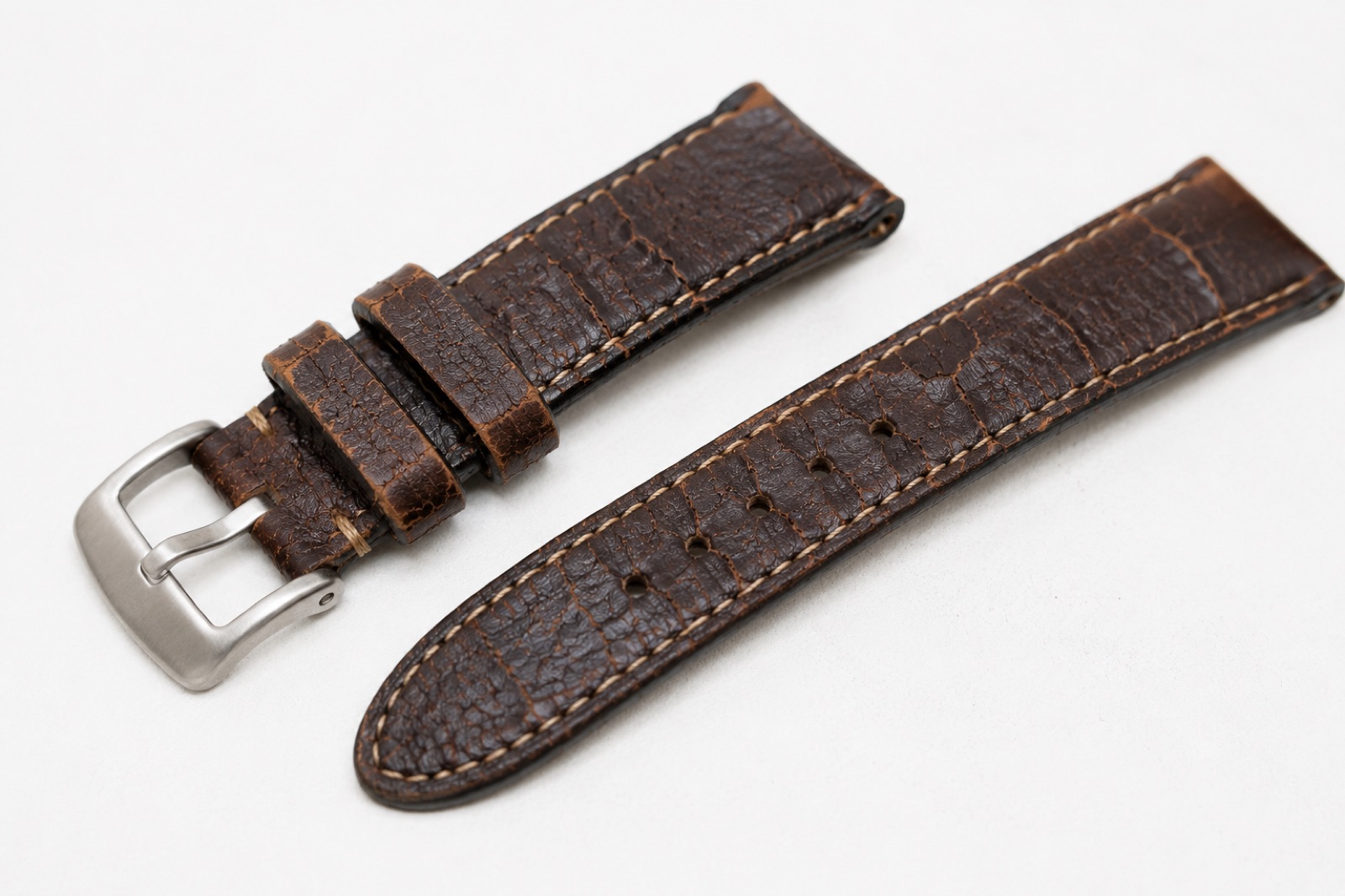
The 2026 shoe & leather care trends: new products, new techniques and the Vietnamese market.
Read full article →
The history of France's Saphir and why Médaille d'Or is the gold standard of shoe care.
Read full article →
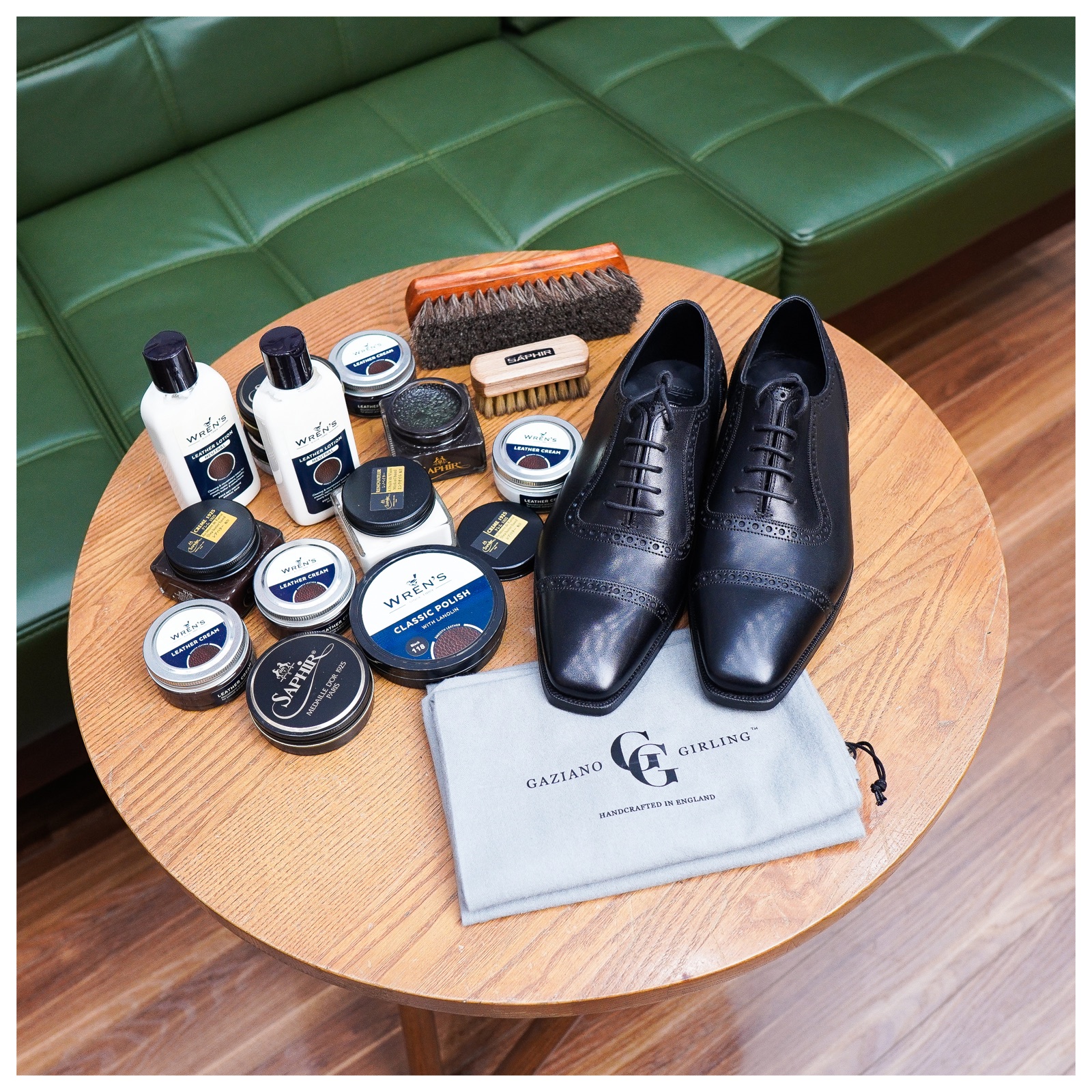
The English shoemaker founded in 2006 that quickly joined the world's best alongside John Lobb and Edward Green — and how to care for a pair of G&G.
Read full article →
Answers to the common questions: polishing, conditioning, cleaning, mould, odors, suede and storage.
Read full article →Home pickup, deep cleaning – conditioning – restoration by the Leather Care Expert team, returned on schedule.
Book a home pickup →