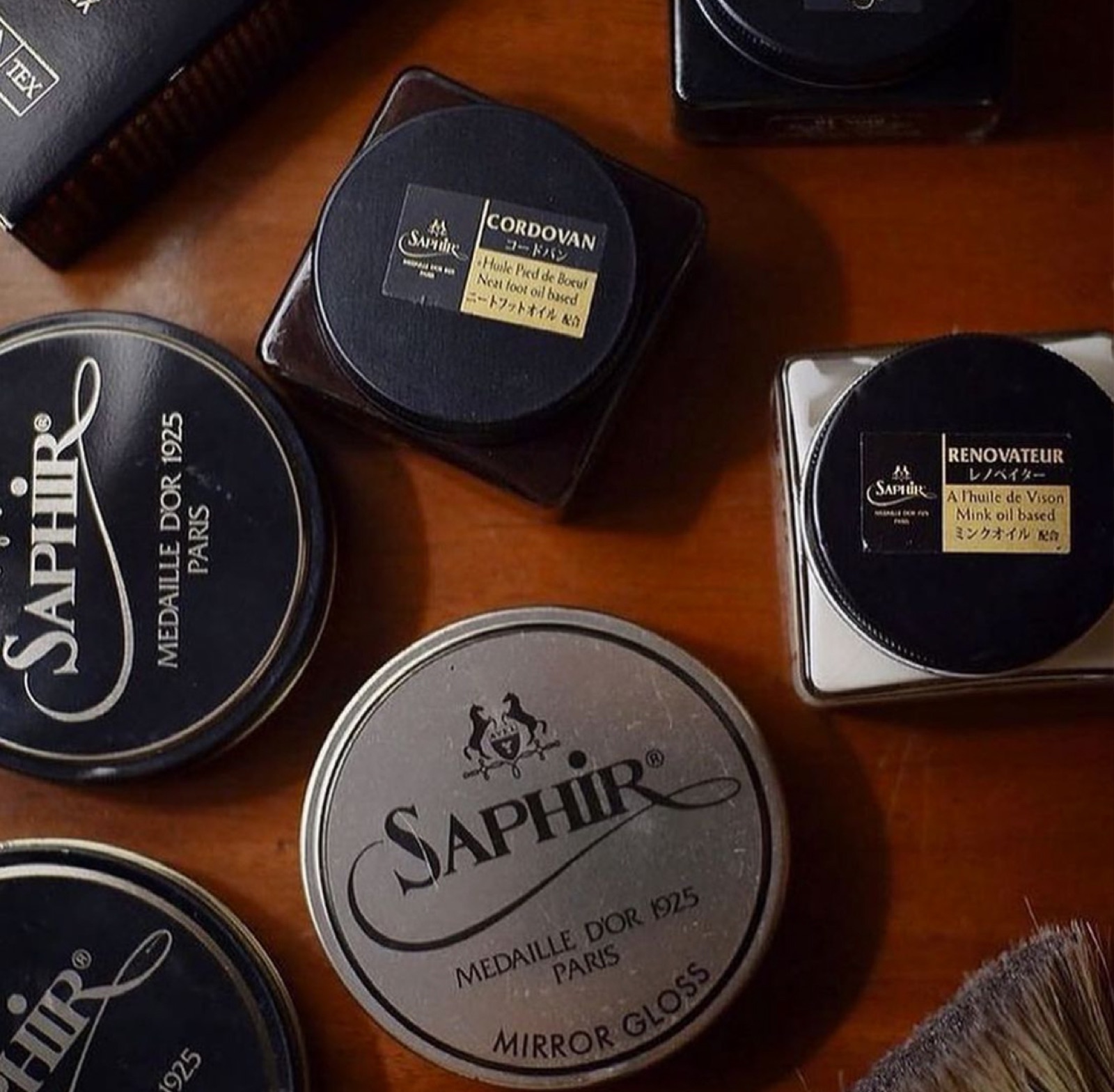
There are 3 common types of shoe polish: wax polish (high shine, Mirror Shine), xi kem (color replenishment + conditioning), and conditioning cream (nourishes without shine). Glossy calf leather takes Pommadier cream polish; pebble grain takes MDO Renovateur conditioner; suede takes NO polish at all — use dedicated suede products.

Using the wrong polish doesn't just dull your shoes — it can permanently damage the leather surface. Choose the right polish and apply it properly, and your shoes will stay beautifully polished for decades. This is Gazano's guide, drawn from 9+ years caring for thousands of pairs of leather shoes in Hanoi.
What is shoe polish — and why isn't one type right for every leather?
Shoe polish is a blend of waxes, oils, and pigments used to protect, shine, and recolor the leather surface. But each leather type has a different structure and absorbency — using the wrong one will:
- Leave smooth leather looking dull and cloudy or unevenly stained
- Leave nubuck/suede permanently matted as the oils flatten the surface nap
- Leave polish caked in the grooves of grained leather, where it's hard to clean
- Damage the plastic coating on patent (verni) leather
The 3 main types of polish on the market
For example, Gazano uses: Saphir Pommadier, Wren's cream polish in black/brown, Wren's Leather Lotion
Water- and oil-based. It penetrates deep into the leather, replenishes nutrients, and delivers natural color with a light-to-medium shine. Best suited for regular conditioning and color replenishment. This is the polish to apply before wax polish.
For example, Gazano uses: Saphir Pâte de Luxe, Saphir Médaille d'Or Wax
Made with beeswax and carnauba. It doesn't penetrate deeply — it sits on the surface to create a high shine, protecting against scratches and moisture. Apply after cream polish to achieve a Mirror Shine. Never use it on its own without conditioning first.
For example, Gazano uses: Saphir Renovateur, Saphir MDO Renovateur, Gazano Leather Conditioner 150ml
Combines gentle cleaning, conditioning, and a natural shine in one step. Ideal for quick routine maintenance or as a base before colored polish.
Choosing polish by leather type
1. Smooth Glossy Leather — Calf, Box-Calf, Cordovan
The most common leather in dress shoes: a smooth surface with fine pores that handles every type of polish.
- Clean: Wipe with Saphir Renomat and a soft cloth to strip old polish and built-up grime
- Condition: Apply Saphir Renovateur or Wren's Leather Lotion and let it absorb for 5–10 minutes
- Recolor: Cream polish matched to your shoe color (Saphir Pommadier or Wren's cream polish), spread evenly with a cloth
- Buff: Brush with a horsehair brush for a natural shine
- Upgrade to Mirror Shine: *(Optional)* Add Pâte de Luxe wax polish and the water-drop technique on the toe and heel
Note: Cordovan (shell horsehide) is a special case — use the dedicated Saphir Cordovan Cream, never regular wax polish, to avoid clogging the leather's pores.
2. Pebble Grain / Scotch Grain Leather
Its signature pebbled surface means wax polish easily settles into the grooves between the grains, clumping and hard to spread evenly.
- Use: Cream polish (Saphir Pommadier), worked gently in small circles with a soft cloth
- Finish: Brush with a horsehair brush — enough for a beautiful natural shine
- Avoid: Heavy wax polish (use sparingly), and never layer multiple coats at once
3. Suede
Never use cream or wax polish. Suede is leather turned flesh-side out — its surface nap is extremely delicate, and oils and waxes will mat it permanently and discolor it beyond recovery.
- Routine care: A soft nylon brush to lift the nap; a brass brush for stubborn dirt
- Stains: A dedicated suede eraser (Saphir Gomme Suède)
- Protect: Saphir Nano Protector waterproofing spray — apply before wearing, holding the can 20–25cm from the surface
4. Da nubuck
Similar to suede, but the leather is buffed from the outer side — finer and less fuzzy. The same rule applies: no cream or wax polish. Use only a dedicated nubuck brush and a protective nano spray.
5. Patent Leather — Verni (glossy coated leather)
The surface has a clear plastic coating — polish is neither needed nor advisable. Patent leather shines on its own; it only needs:
- A wipe with a soft damp cloth to remove fingerprints and dust
- A dedicated patent leather solution for stubborn stains
- Storage away from sunlight so the coating doesn't yellow over time
6. Other Leather Goods — Jackets, Wallets, Bags, Belts
These items should never be polished, only conditioned with the right cream:
- Smooth leather jackets: Saphir Canadian or Gazano Leather Conditioner 150ml
- Premium leather bags and wallets: Saphir MDO Renovateur or Wren's Leather Lotion
- Reptile leather (crocodile, python): Saphir MDO Reptile Renovateur
- Coated leather / white canvas: Saphir MDO Coated Fabric
Quick reference table
| Material | Xi kem | Wax polish | Suede brush | Notes |
|---|---|---|---|---|
| Smooth leather (calf, box-calf) | ✓ | ✓ | — | Takes the fullest routine |
| Pebble grain leather | ✓ | ⚠ Use sparingly | — | Wax settles into the grooves |
| Suede | ✗ No | ✗ No | ✓ Required | Brush + eraser only |
| Da nubuck | ✗ No | ✗ No | ✓ Required | Nubuck-specific products |
| Da patent / verni | ✗ No | ✗ No | — | Wipe with a soft damp cloth |
| Jackets, bags, wallets | ✗ No | ✗ No | — | Dedicated conditioner |
How do you choose the polish color?
- Black: Black polish — no exceptions
- Dark brown (espresso): Dark or medium brown polish
- Light brown, cognac, tan: Light brown or neutral polish
- Special colors (burgundy, navy, moss green…): Matching polish, or neutral polish to preserve the original dye
- Not sure: Always go one shade lighter — it's safer, and you can build up darker over multiple applications; the reverse can't be undone
Clean → moisturize → apply colored polish → buff. Never polish dry, dirty leather. Follow this order — even with inexpensive polish — and you'll get better results than using expensive polish the wrong way.