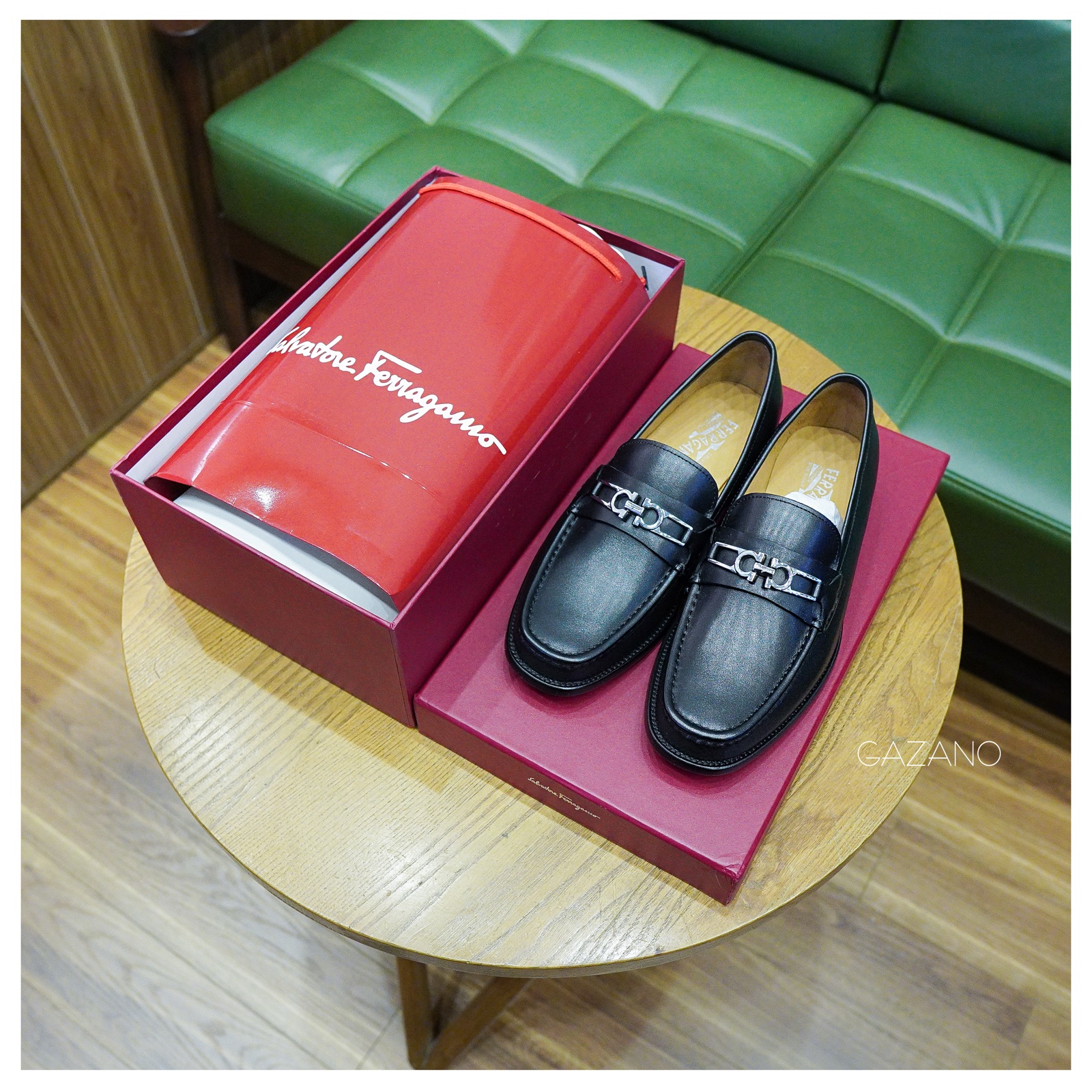
The best way to store shoes is in a breathable dust bag with cedar shoe trees, placed on a ventilated shelf or cabinet with desiccant packs. Do NOT store them in sealed cardboard boxes long-term, and absolutely avoid airtight plastic bags — both trap moisture and cause mold in humid climates.

Official partner Saphir (France) & Santoni (Italy); featured by VTV, VnExpress and Dân Trí.
The full answer
- Dust bags: breathable, dust-proof, let the leather "breathe" — best for long-term storage. - Display cabinets/open shelves: attractive and easy to check, but keep them out of direct sunlight (fading) and control humidity. - Original boxes: for short-term use or transport only; long-term storage in a sealed, humid box invites mold and crumbles PU soles. General rules: clean and condition before storing, insert shoe trees, add silica gel packs, avoid sunlight, and check every 2–3 months — recondition if the leather starts to dry out.
Gazano offers cedar shoe trees at 950,000₫ and long-term leather storage in a humidity-controlled facility. — see service details or chat Zalo.
Are shoetrees really necessary — cedar or plastic?
Shoetrees are truly essential — arguably the most important accessory for leather shoes. They hold the shape, absorb interior moisture, shallow out creases and prevent deformation. Choose cedar: it also deodorizes and cuts the risk of mould.
How do shoes get damaged without a shoe horn?
Skipping the shoe horn ruins the heel: every forced entry folds the counter, and over time it crumples, creases, delaminates the heel lining and deforms the back of the shoe — an area that's hard to repair and affects both fit and shape.
What do leather & herbal insoles do, and how often to replace them?
Leather and herbal insoles absorb sweat, deodorize, resist bacteria and cushion the foot — while protecting the shoe's original lining. Replace them once flattened, smelly or soiled — every few months on average, depending on wear and sweat.